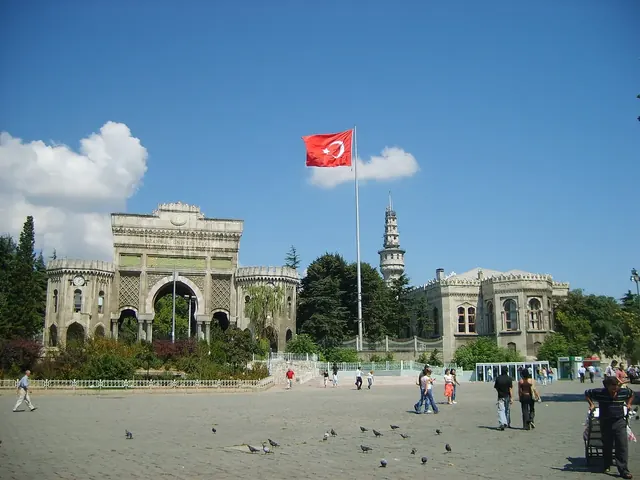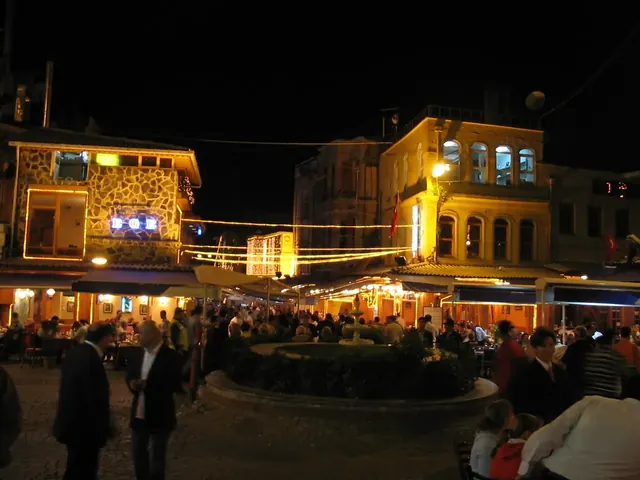
Sultanahmet is the heart of Istanbul's Historic Peninsula, the UNESCO-listed area where Hagia Sophia, the Blue Mosque and Topkapı Palace stand within a few hundred metres of each other. It was the ceremonial centre of Byzantium and later of the Ottoman court, and it is where almost every first-time visitor begins.
On this page7
A living square inside an open-air museum
Mornings in Sultanahmet start with the call to prayer, the bell of the tram and simit sellers setting up their carts. By late morning the square fills with guided groups and school trips; by early evening, with the domes floodlit, Istanbul families spread out on the lawns. This is less a neighbourhood than a monumental district where people still pray, meet and drink tea beside buildings up to fifteen centuries old.
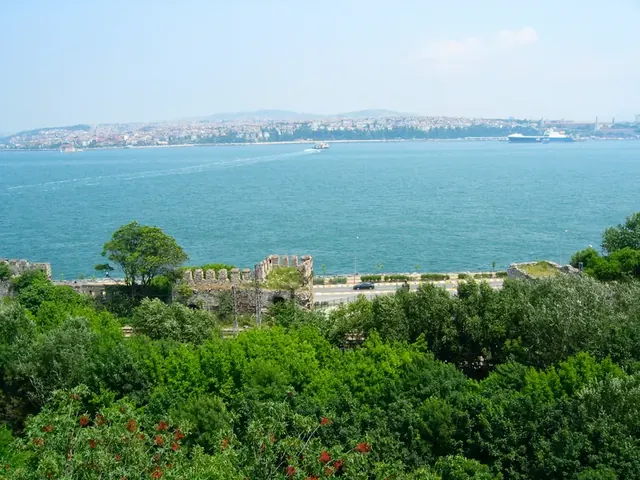
Roughly, the area runs from Gülhane Park to the Arasta Bazaar and from Divanyolu, the old imperial avenue, down to the lanes of Cankurtaran. The palace walls close it off to the north-east, while to the south the land drops noticeably towards the Sea of Marmara. Sultanahmet sits on the first of Istanbul's seven hills, and almost every street eventually runs downhill to the water.
From chariot races to a sultan's mosque
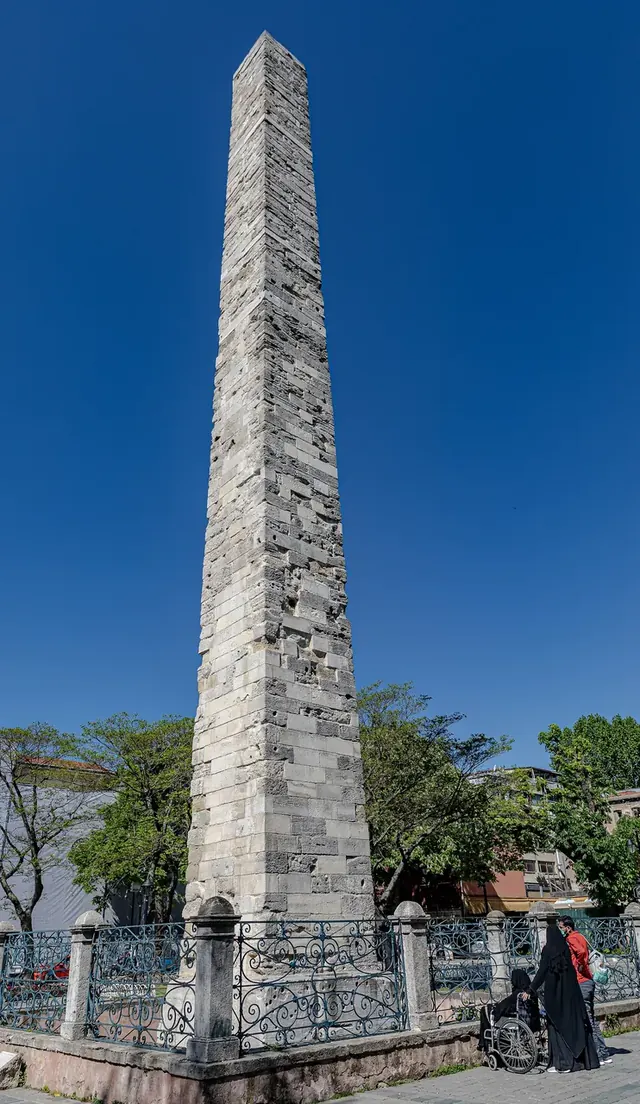
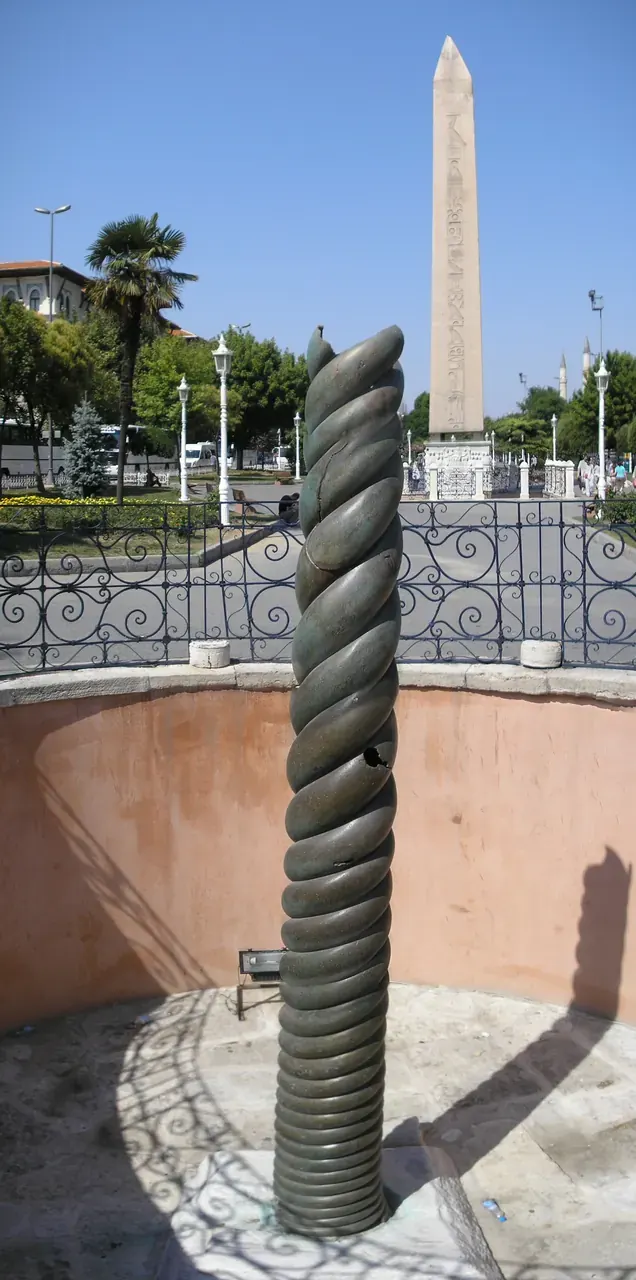
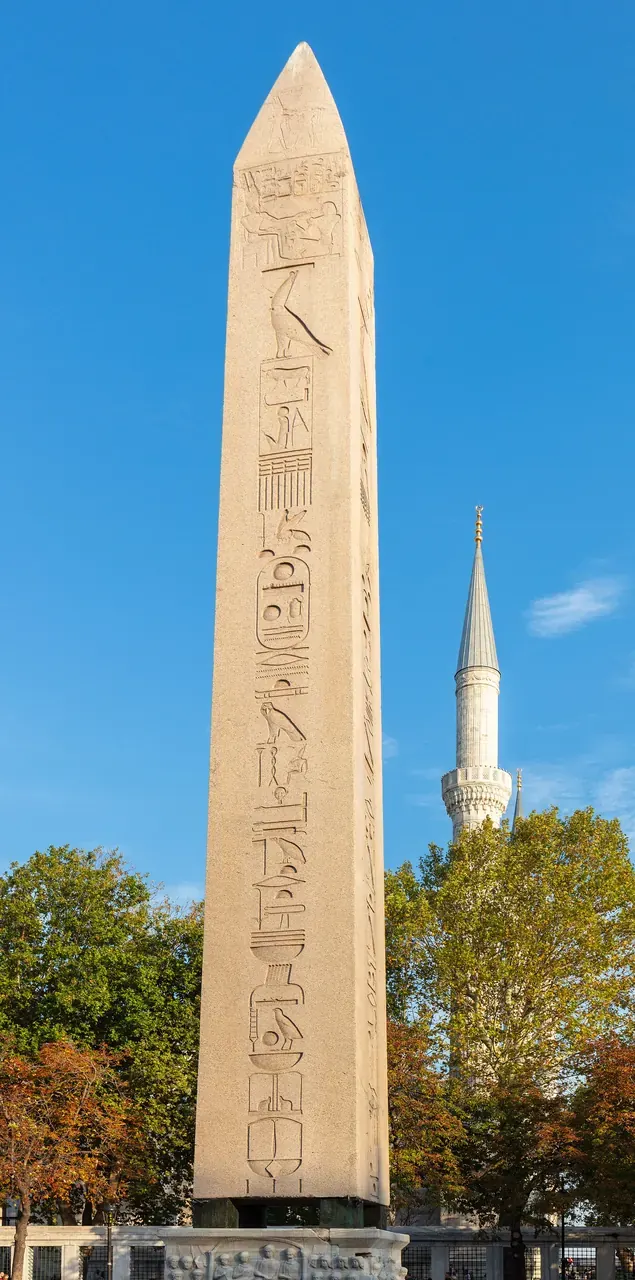
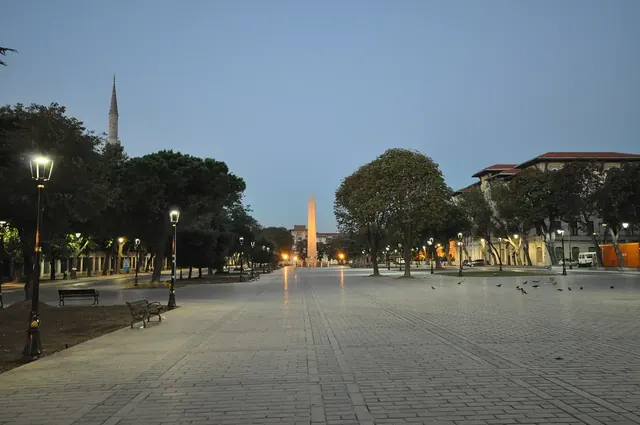
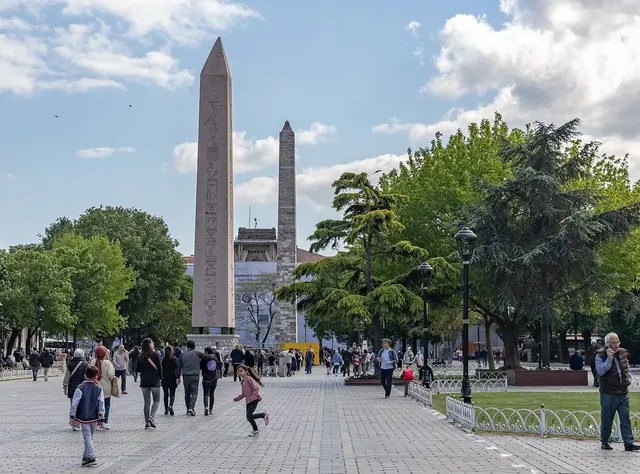
The open square is the old Hippodrome, begun in the Roman period and enlarged when Constantine made the city his capital in the 4th century. The central barrier the chariots raced around is still traceable: the Egyptian obelisk from Karnak, the bronze Serpent Column from Delphi and the stripped Walled Obelisk stand in a line.
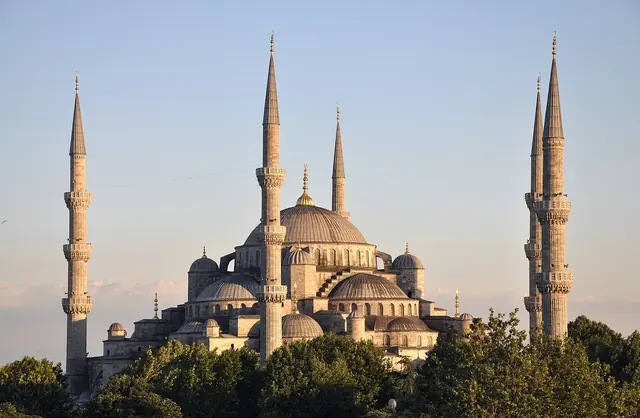
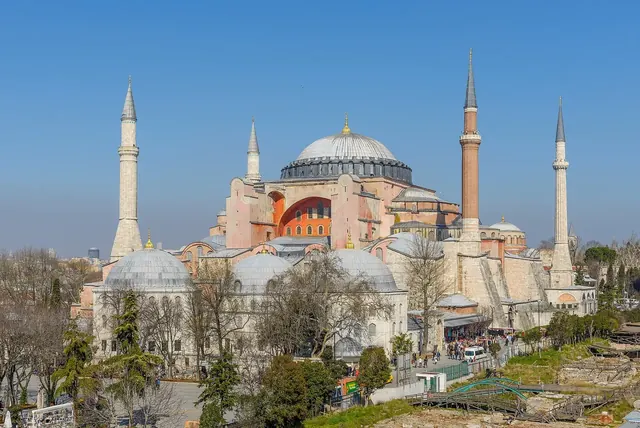
South of the track stood the Great Palace of the Byzantine emperors. After the Nika Riots burned the earlier basilica in 532, Justinian completed today's Hagia Sophia in 537. The Ottomans moved the court to Topkapı on the tip of the peninsula after 1453, and in 1609–1616 Sultan Ahmed I commissioned the architect Sedefkâr Mehmed Ağa to build the mosque that gave the whole district its name.
The sights to prioritise
- Hagia Sophia: the great 6th-century dome, a mosque again since 2020. Foreign visitors now tour the upper gallery through a separate, ticketed entrance while the ground floor is reserved for worship; check official sources for the current arrangement.
- The Blue Mosque: six minarets and thousands of İznik tiles. It closes to sightseers for a short while at each prayer time.
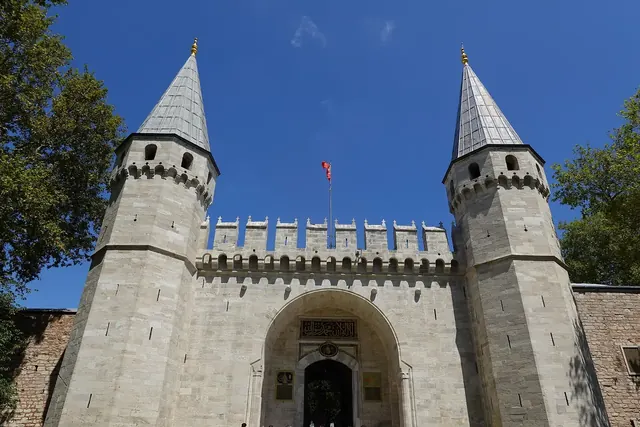
- Topkapı Palace: the Ottoman seat of government for around four centuries. Allow at least half a day for the courtyards, the Harem and the Sacred Relics.
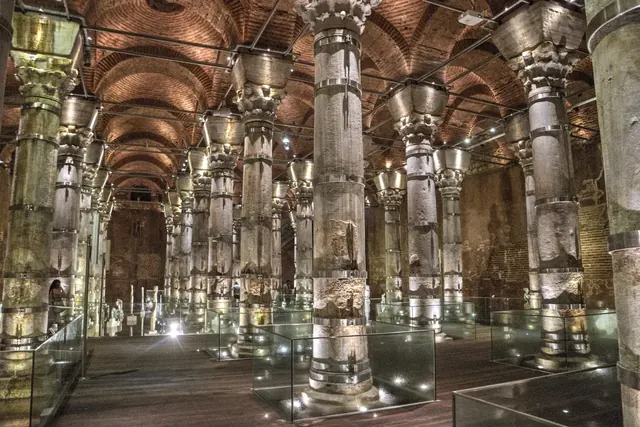
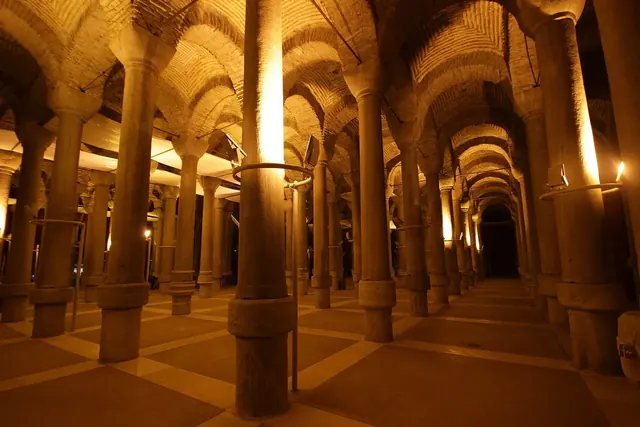
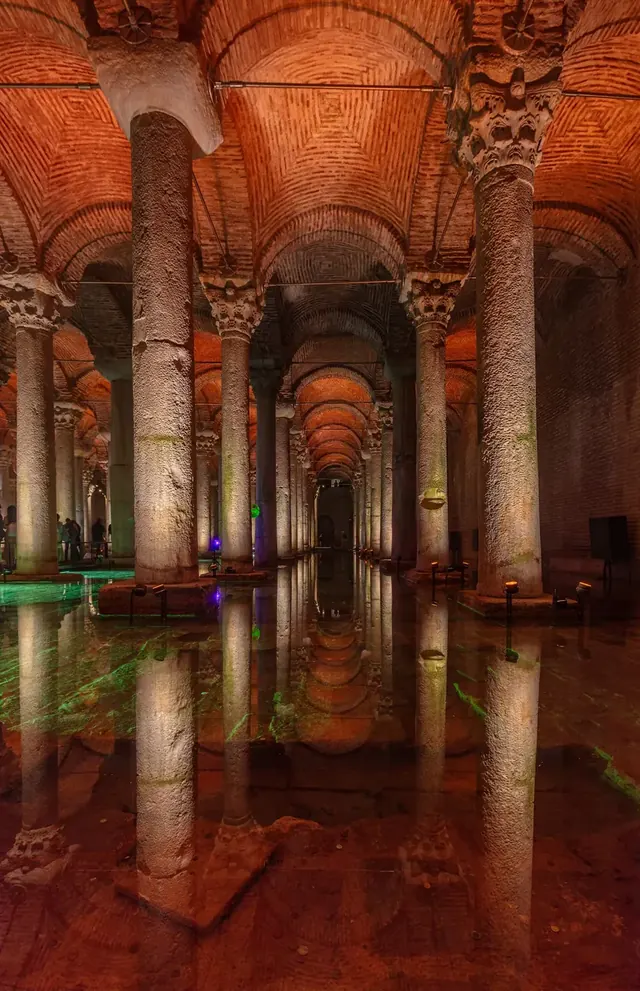
- Basilica Cistern: a 6th-century underground reservoir, famous for its two Medusa-head column bases.
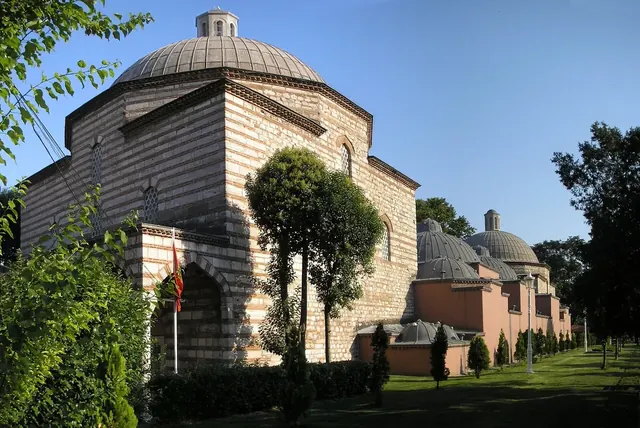
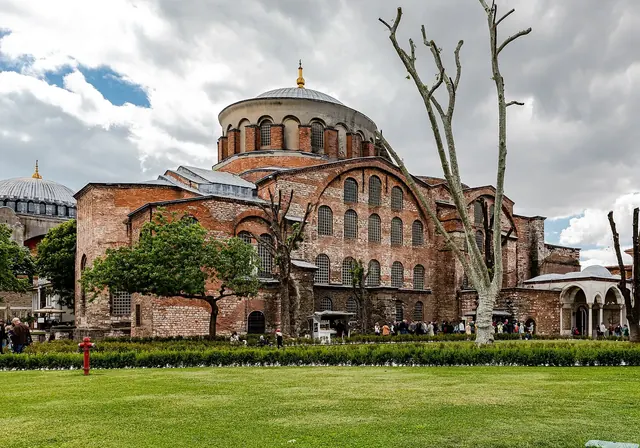
- Hagia Irene: in Topkapı's first courtyard, one of the few Byzantine churches never converted into a mosque.
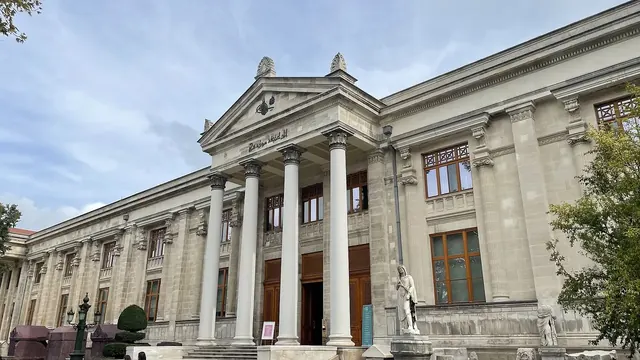
- Istanbul Archaeology Museums: home to the Alexander Sarcophagus and a world-class collection that easily fills a morning.
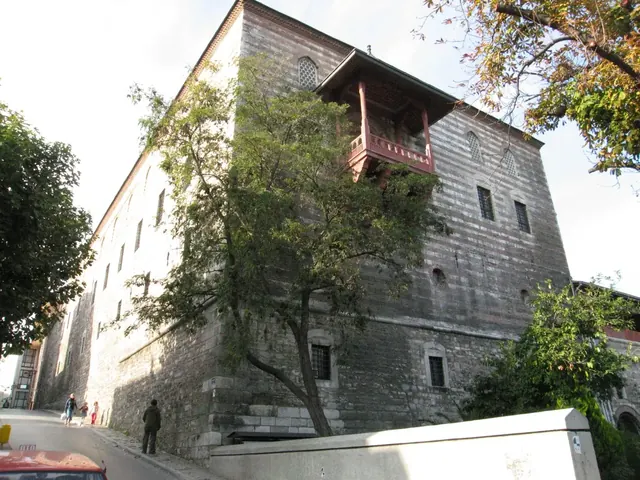
- Museum of Turkish and Islamic Arts: carpets and manuscripts in İbrahim Pasha's palace overlooking the Hippodrome.
A half-day walk from the Hippodrome to Gülhane
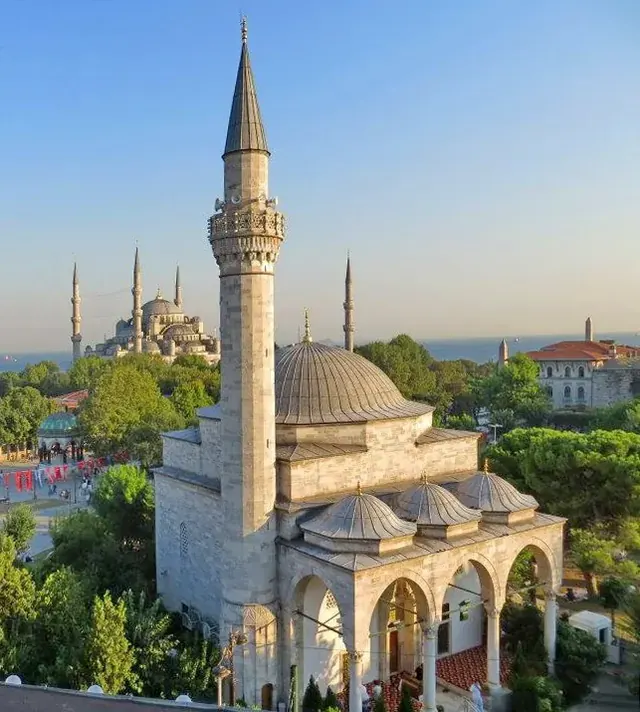
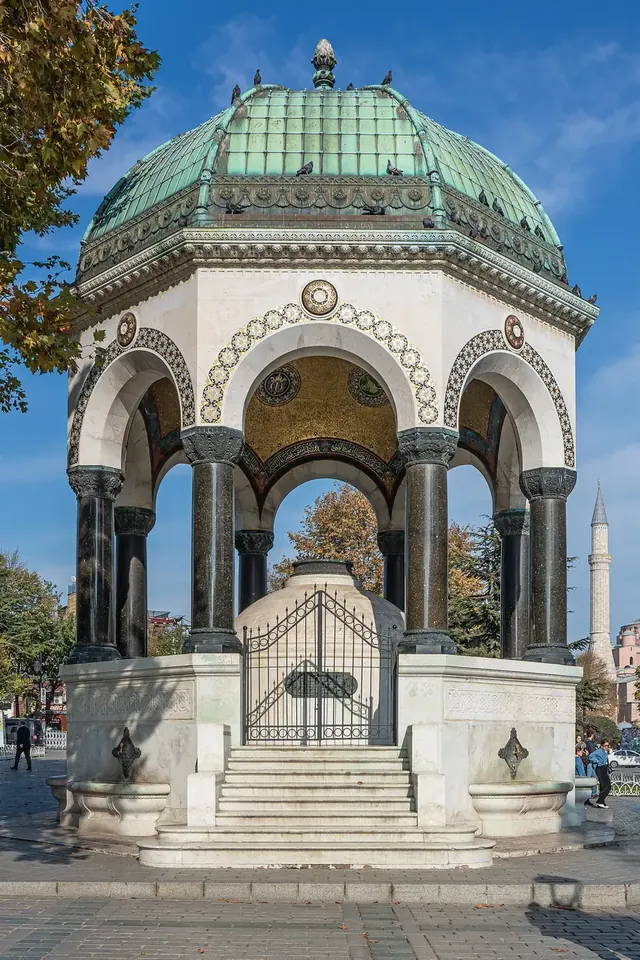
- Start on Divanyolu at the small, elegant Firuz Ağa Mosque, then cross to the German Fountain, Kaiser Wilhelm II's gift to the Ottoman sultan.
- Walk the length of the Hippodrome and look closely at the obelisk base, where Theodosius is carved watching the races from the imperial box.
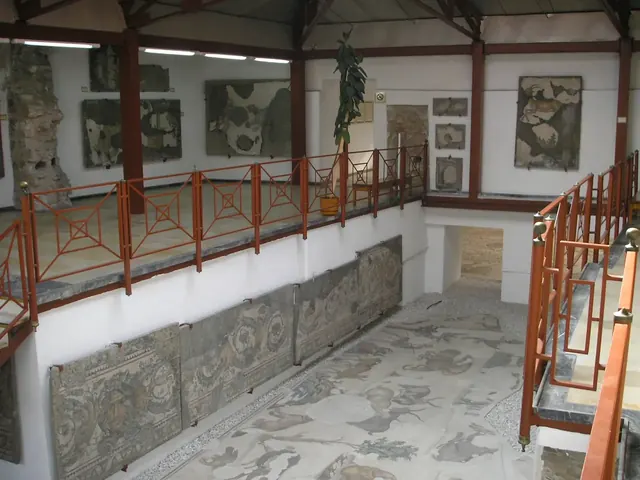
- Enter the Blue Mosque courtyard from the Hippodrome side, leave from the back and drop down to the Arasta Bazaar and the Great Palace Mosaic Museum.
- Climb back up to the gardens between the two great mosques and pause by the fountain, where both domes face each other.
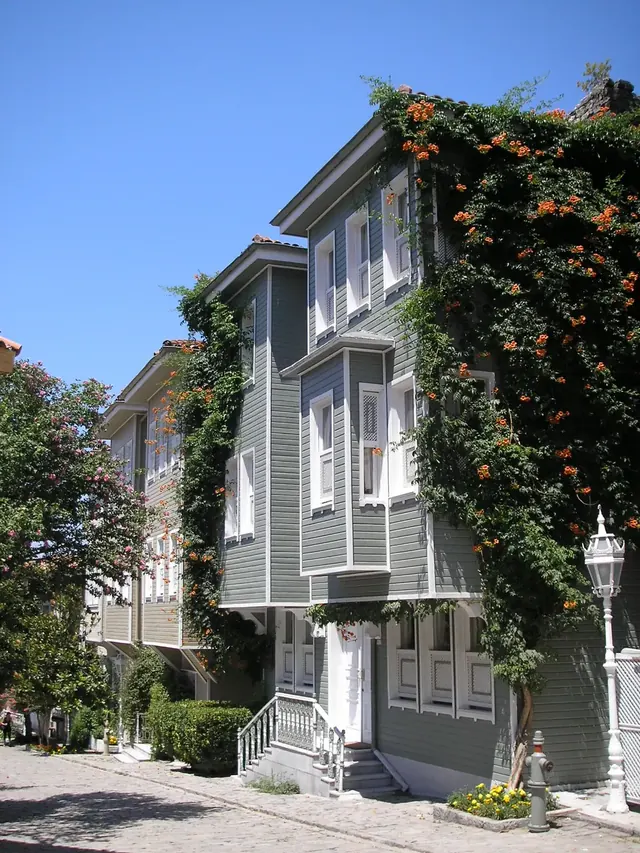
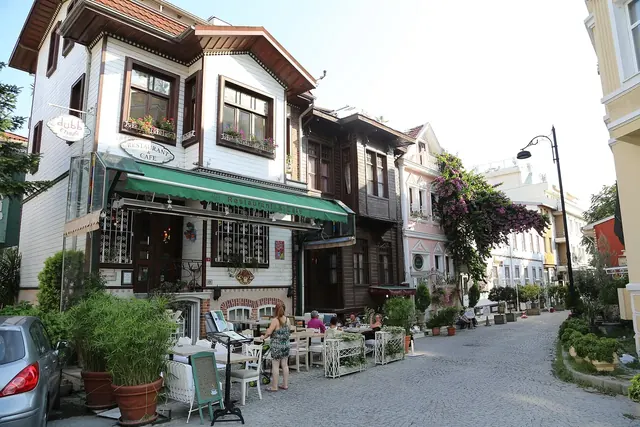
- Follow the wooden houses of Soğukçeşme Street behind Hagia Sophia and continue into Gülhane Park.
What to eat: grilled köfte, simit and tea
Food around the square is simple and filling. Sultanahmet is closely associated with grilled köfte, small meatballs cooked over charcoal and served with a white-bean salad and a spicy sauce. Along Divanyolu you'll also find tradesmen's canteens with daily stews, red-lentil soup and buttery rice, often the quickest way for a family to get a hot lunch.
Street carts sell sesame-crusted simit, grilled corn and, in winter, roast chestnuts. Finish with Turkish coffee or a tulip glass of strong black tea.
Notes for families
The Hippodrome and the area around Hagia Sophia are largely pedestrianised and flat, so pushchairs are easy here. The Basilica Cistern and parts of Topkapı involve stairs. In summer the square has very little shade at midday, so bring water, hats and sunscreen.
Gülhane Park is the best place for children to let off steam, with old plane trees, playgrounds and wide lawns. In mosques women cover their hair and everyone covers knees and shoulders; wraps are handed out at the door, but carrying your own saves time. See our mosque etiquette guide for details.
Getting there from Sareban Hotel
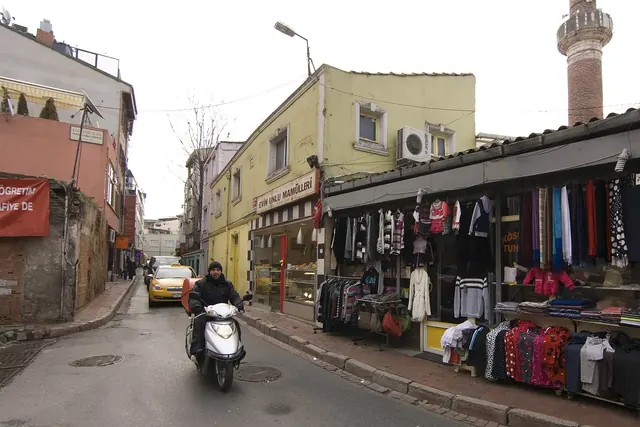
From our hotel in Küçük Ayasofya, Sultanahmet Square is usually a 10–15 minute walk. The nicest route climbs the quiet back lanes towards the Mosaic Museum and the Arasta Bazaar and brings you out through the rear courtyard of the Blue Mosque, so you take the hill gradually and only meet the crowds at the very end.
If you prefer the tram, the Sultanahmet stop on the T1 line is right on the edge of the square. Our location page shows the hotel on the map.
Frequently asked questions
How many days do I need for Sultanahmet?
Hagia Sophia, the Blue Mosque, the Basilica Cistern and the Hippodrome fit into one full day. Add Topkapı Palace and the Archaeology Museums and two days is a much more comfortable pace. Our one day in Istanbul itinerary is a good starting point.
Is it better to stay right on the square or in a nearby side neighbourhood?
Neighbourhoods a few streets downhill, such as Küçük Ayasofya and Cankurtaran, keep everything within walking distance but are far quieter in the evening. Our guide to where to stay in Sultanahmet compares them.
What is there to do in Sultanahmet in the evening?
Strolling the floodlit gardens between Hagia Sophia and the Blue Mosque, sitting out on the square on warm summer nights and visiting the Ramadan events area are all family-friendly options. More ideas in Historic Peninsula evenings.