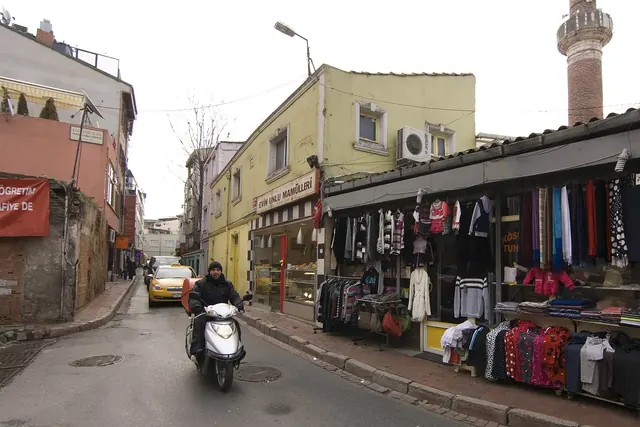
The Arasta Bazaar is a single lane of vaulted shops on the south-east side of the Blue Mosque, built in the early 17th century to pay for the mosque's upkeep. Today its shops sell carpets, kilims, ceramics, hammam towels and handicrafts in a far more relaxed atmosphere than the Grand Bazaar. The entrance to the Great Palace Mosaic Museum is hidden halfway along it.
On this page5
A street that funded a mosque
Ottoman mosque complexes were designed to pay for themselves. Alongside the prayer hall, schools and tomb, a charitable foundation owned rows of shops whose rents covered everything from lamp oil to staff salaries. The Arasta was the commercial arm of the Blue Mosque complex, built for Sultan Ahmed I between 1609 and 1617. The word “arasta” describes exactly this kind of market: identical shops lined up along a single street.
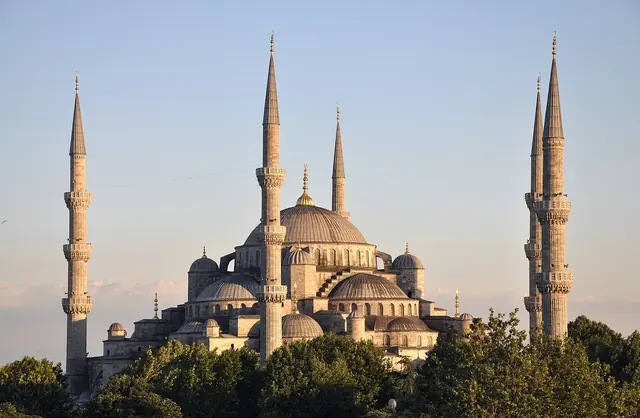
Fires and neglect took their toll over the centuries, and the neat, arcaded lane you see today is largely the result of restoration in the second half of the 20th century. The rhythm of arched shopfronts, the stone-paved walkway and the minarets peeping over the roofline make it a pleasant spot for photos, especially when the shutters go up in the morning.
What you'll find
- Carpets and kilims: hand-knotted and machine-made pieces sit side by side, so ask which is which.
- Ceramics: plates, bowls and tiles in designs inspired by classic Iznik ware.
- Hammam towels (peshtemal) and textiles: light, packable gifts in cotton and linen.
- Lamps, jewellery and crafts: mosaic-glass lanterns, silverwork and inlaid wooden boxes.
- Small souvenirs: evil-eye charms, magnets and postcards that children enjoy choosing.
Shopping smart in the Arasta
Many items carry no price tag and polite bargaining is expected. Take your time, especially with carpets: visit a few shops, ask whether a piece is hand-knotted and where it was woven, and get shipping terms in writing. You are always entitled to an invoice. Sellers here are generally less pushy than in busier markets, and a friendly, unhurried approach tends to get the best results.
The lane itself takes only a few minutes to walk end to end; the time goes on browsing. For ideas on what is worth taking home, see our guide to souvenirs from Istanbul, and for general advice on tourist areas read our safe travel tips.
A museum in the middle of the market
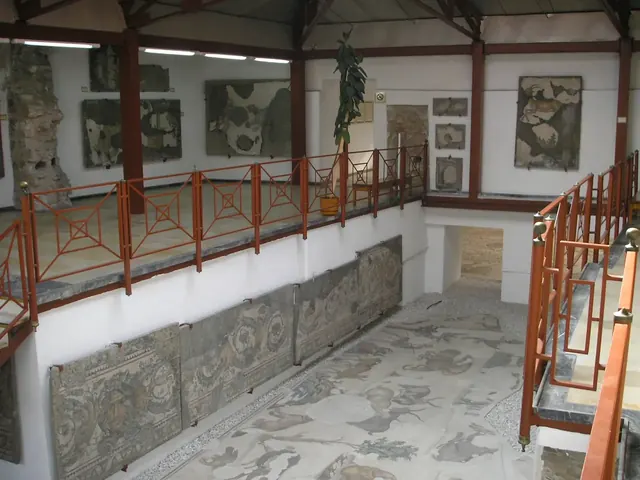
Halfway along the lane is the entrance to the Great Palace Mosaic Museum, where Byzantine floor mosaics are displayed exactly where they were found. One end of the bazaar opens onto the rear courtyard of the Blue Mosque; the other leads into the quiet streets of Cankurtaran, from where you can wander down to the Ahırkapı Lighthouse and the sea.
Getting there from Sareban Hotel
The Arasta is one of the easiest walks from our hotel in Küçük Ayasofya: head uphill towards the back of the Blue Mosque and you arrive at the southern end of the bazaar. On the way back you can retrace your steps or drop down to the Kennedy Avenue seafront promenade for a walk along the Marmara.
Frequently asked questions
Where is the Arasta Bazaar?
Directly behind the Blue Mosque on its south-east side. It is part of the historic mosque complex, and the Mosaic Museum entrance is inside it.
Arasta Bazaar or Grand Bazaar?
The Arasta is short, calm and easy with children; the Grand Bazaar is vast, busier and offers far more variety. If you have time, see both for the contrast.
Can I bargain in the Arasta Bazaar?
Yes. Haggling is normal, particularly for carpets, kilims and ceramics. Asking politely and comparing a few shops is perfectly acceptable.