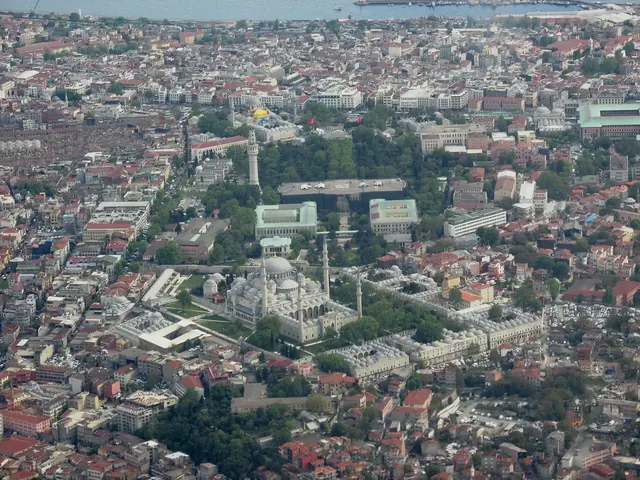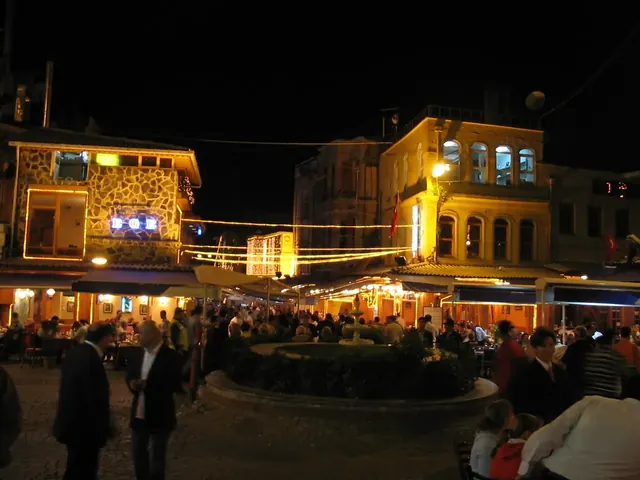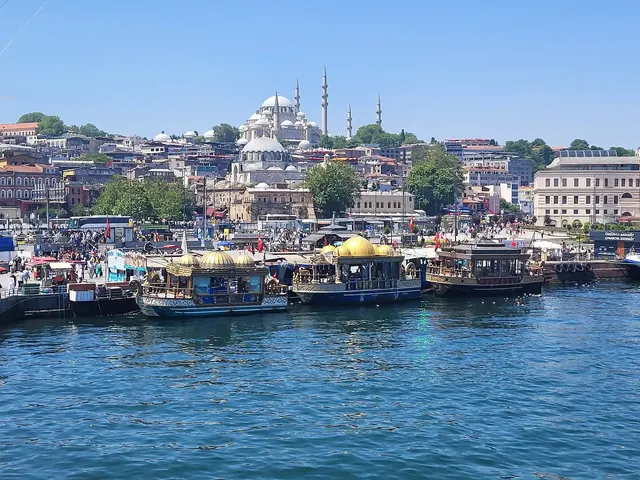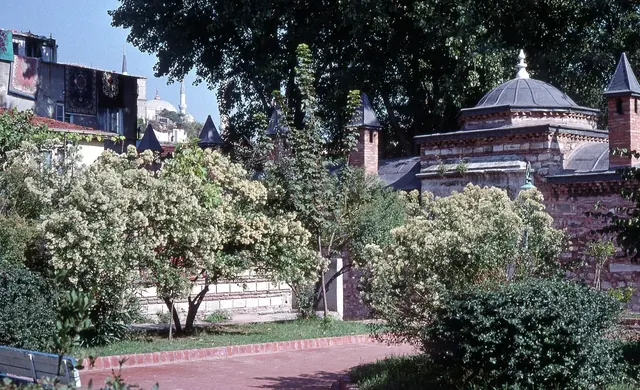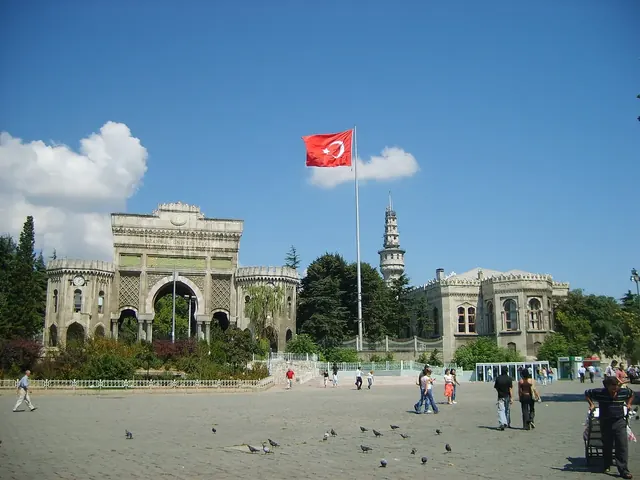
Beyazıt and the streets around the Grand Bazaar form a market district between the Historic Peninsula's second and third hills, where trade has not paused for more than five centuries. The Grand Bazaar, the old book market, the Beyazıt and Nuruosmaniye mosques and the monumental gate of Istanbul University all stand side by side. Come for the shopping, but stay for the architecture and the living craft traditions.
On this page7
Vaulted lanes, hidden hans and travelling tea trays
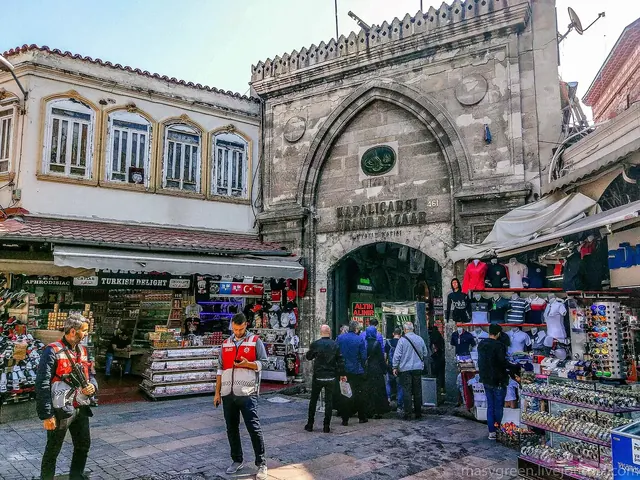
The Grand Bazaar has more than sixty covered streets and thousands of shops, but the district's real secret lies in the hans spilling out around it. These multi-storey stone courtyard buildings, once inns for travelling merchants, still house jewellers' workshops, silversmiths, gold refiners and small manufacturers. Climb a narrow stair to a han rooftop and you can glimpse the Golden Horn between lead-covered domes.
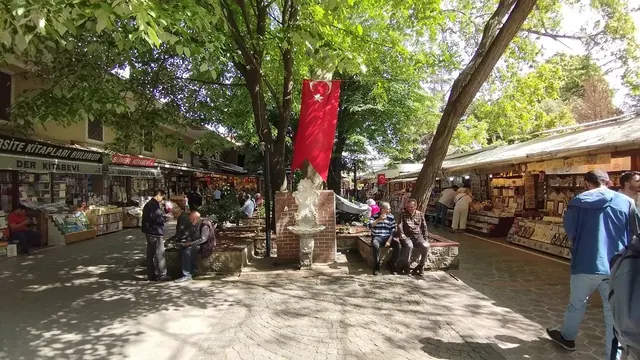
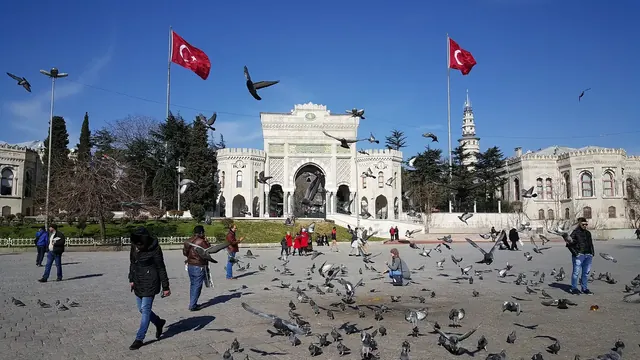
The soundtrack is unique too: traders calling to each other, tea boys darting between stalls with swinging trays of tulip glasses, children feeding pigeons on Beyazıt Square and students meeting at the university gate. The quiet of the book market under its plane tree feels like a small oasis in the middle of all this movement.
From a Roman forum to the Conqueror's bedesten
Today's Beyazıt Square occupies the site of a great forum laid out for Emperor Theodosius I in the late 4th century. The column fragments with a teardrop pattern lying beside Ordu Avenue come from its triumphal arch. After the conquest, Mehmed II built his first palace where Istanbul University now stands, then a secure hall for valuables, the Cevahir Bedesteni; the Grand Bazaar grew outward from that core.
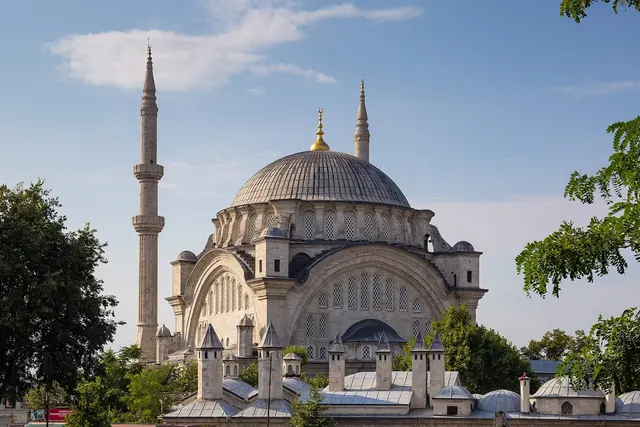
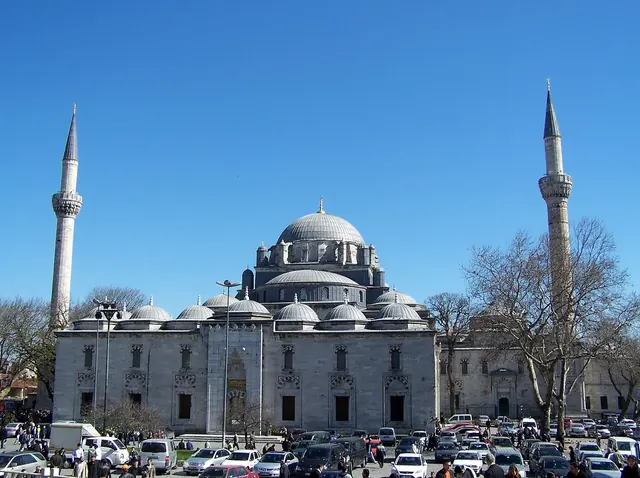
The Beyazıt Mosque, built in 1501–1506, is considered the oldest imperial mosque in the city to survive in its original form. The Beyazıt Tower, raised in 1828 as a fire lookout, joined the skyline later. At the bazaar's eastern gate, the Nuruosmaniye Mosque (1748–1755) became the most striking example of the moment Baroque style entered Ottoman architecture.
What to see in the area
- Grand Bazaar: one of the oldest and largest covered markets in the world, with the Cevahir Bedesteni at its heart.
- Book Bazaar (Sahaflar): a shady courtyard of booksellers between the Beyazıt Mosque and the Grand Bazaar.
- Beyazıt Mosque: calm and balanced, regarded as a forerunner of classical Ottoman mosque design.
- Beyazıt Square and Tower: the university's grand gateway, flocks of pigeons and fragments of the Roman forum.
- Nuruosmaniye Mosque: a curved courtyard and Baroque details, forming an elegant entrance to the bazaar.
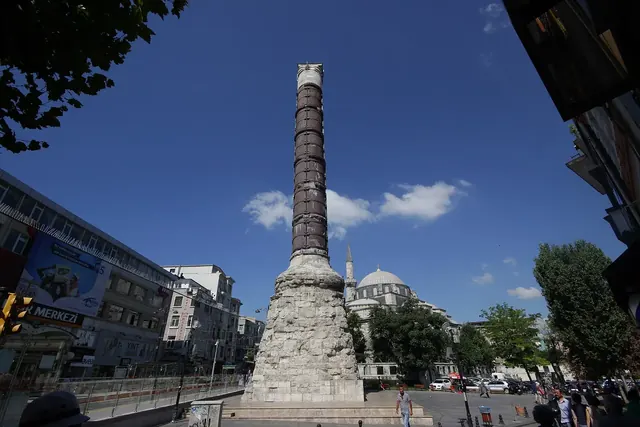
- Column of Constantine: the porphyry column Constantine raised in 330 to mark the city's inauguration as capital.
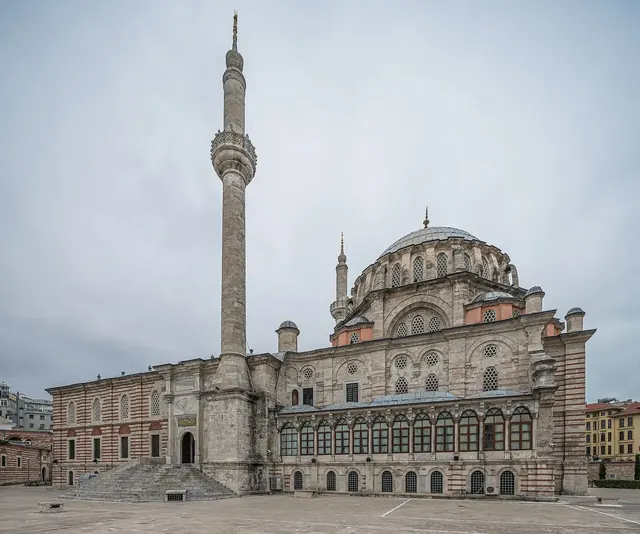
- Laleli Mosque: on Ordu Avenue, another fine example of 18th-century Ottoman Baroque.
Walk: from the Column of Constantine through the bazaar
- Begin at the foot of the Column of Constantine and look at the iron hoops that give it its Turkish name, Çemberlitaş.
- Slip down the side street into the horseshoe-shaped courtyard of the Nuruosmaniye Mosque.
- Enter the Grand Bazaar through the Nuruosmaniye Gate, follow the main street and turn into the Cevahir Bedesteni.
- Leave by the Beyazıt Gate on the west side and step into the Book Bazaar.
- Visit the Beyazıt Mosque and walk out onto the square; if you still have energy, continue along Ordu Avenue to the Laleli Mosque.
Traders' food: stews, milk puddings and endless tea
People who work in the bazaar and the hans have eaten the same way for generations: a quick, filling plate at midday. The tradesmen's canteens serve tas kebabı (slow-cooked meat stew), chickpeas with lamb, green beans in olive oil and buttery rice, while corner counters offer döner wraps and lahmacun, a thin flatbread topped with spiced minced meat.
The area is also a stronghold of the Istanbul milk-pudding tradition: tavuk göğsü, a sweet pudding made with finely shredded chicken breast, caramelised kazandibi, rice pudding and almond keşkül are still made by specialists here. Tea in tulip glasses and Turkish coffee from the copper pot are part of every bargaining session. Explore more in our Turkish desserts guide.
For families: exploring without getting lost
The bazaar's look-alike lanes are the main challenge with children. Before you go in, agree on a meeting point everyone recognises; one of the large named gates works well. At weekends and around midday the aisles are packed, and pushchairs struggle.
Bargaining is part of bazaar culture, but stay patient and friendly; if you don't like the price, thanking the shopkeeper and walking on is perfectly normal. The bazaar is generally closed on Sundays and on some religious holidays, so check the current situation before you go. Our souvenir guide has ideas on what to buy.
Getting there from Sareban Hotel
Walking from our hotel to the Grand Bazaar usually takes 15–20 minutes. Climb the back lanes of the neighbourhood up to Divanyolu, pass the Column of Constantine and head for the Nuruosmaniye Gate; it is the shortest route and passes the most history.
If you'd rather not climb, catch the T1 tram at the Sultanahmet stop and get off at Çemberlitaş or Beyazıt–Kapalıçarşı. The way back is downhill, so walking home with your shopping is easy.
Frequently asked questions
When is the Grand Bazaar closed?
It is generally closed on Sundays and on some religious holidays. Opening days can change, so check official sources before your visit.
Should I bargain in the Grand Bazaar?
Yes, bargaining is expected, especially for carpets, ceramics and souvenirs. Be polite, get a feel for prices in a few shops first and feel free to walk away if the price is not right.
Can I walk from Beyazıt to the Süleymaniye Mosque?
Yes. From the Beyazıt Mosque, side streets beside the university lead to the Süleymaniye Mosque in a few minutes. See our Süleymaniye page to combine the two in one day.