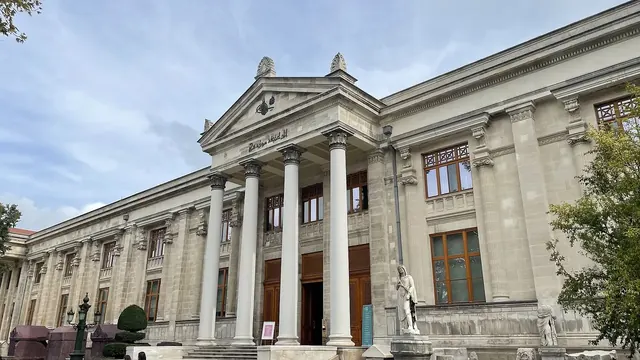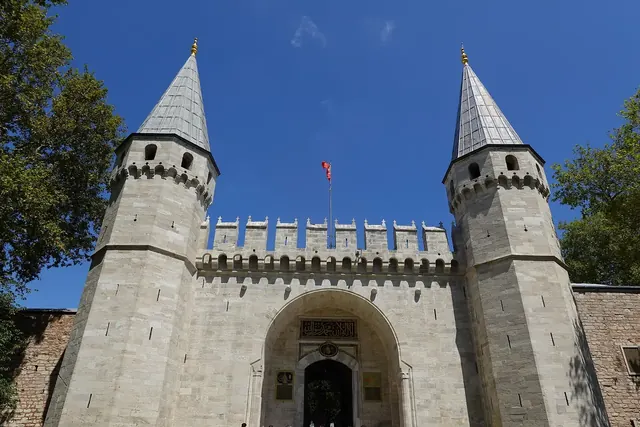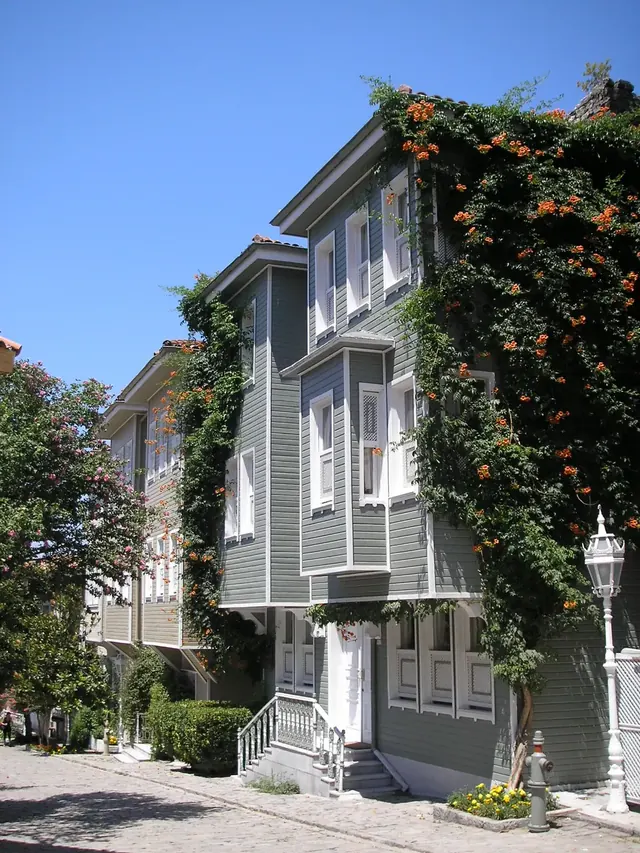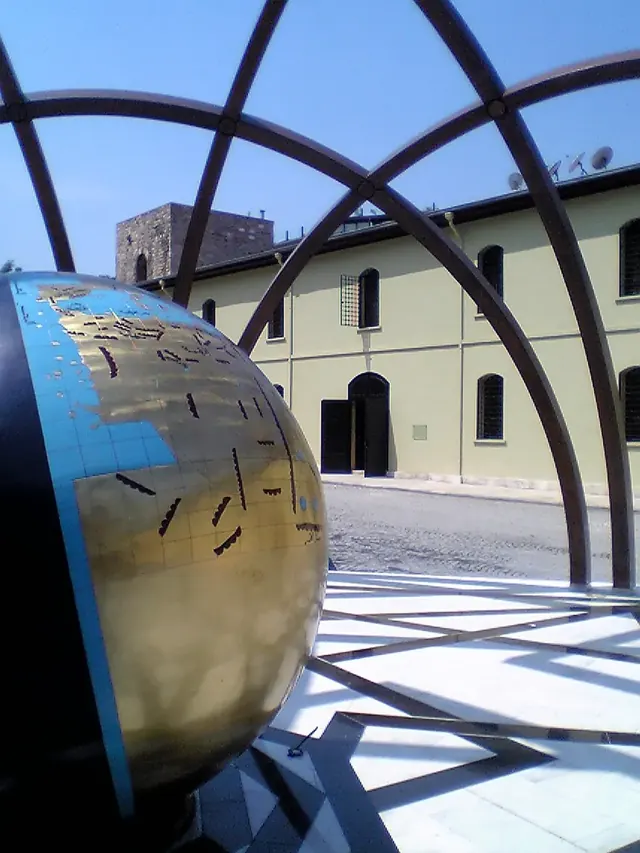
The Museum of the History of Science and Technology in Islam occupies the long former stable buildings along the western wall of Gülhane Park. Opened in 2008 through the work of historian of science Professor Fuat Sezgin, it displays hundreds of reconstructed instruments, from astrolabes and water clocks to surgical tools and world maps, built from descriptions in medieval manuscripts. It is one of the most engaging stops in Sultanahmet for curious children and teenagers.
On this page5
One scholar's lifelong project
Behind the museum lies the lifetime work of Fuat Sezgin (1924–2018), a Turkish scholar who spent most of his career in Germany. At Goethe University Frankfurt he founded the Institute for the History of Arabic-Islamic Science and wrote a monumental multi-volume history of Arabic literature and science. He also commissioned craftsmen and specialists to rebuild the instruments described in historical texts, creating a unique collection of working models.
Istanbul's museum opened in 2008 with copies of that collection. Almost everything you see is a reconstruction rather than an original artefact, built from drawings and instructions in manuscripts scattered across libraries around the world. The point is to make ideas that survived only on paper tangible, and to show how scientists from Baghdad to Andalusia and Istanbul actually worked.
Galleries at a glance
- Astronomy: astrolabes, celestial globes, sundials and a reconstruction of the observatory Taqi al-Din built in Istanbul in the 16th century.
- Clocks and machines: water and mechanical clocks based on al-Jazari's designs, including his famous elephant clock, plus automata and water-raising devices.
- Geography and navigation: large reproductions of medieval maps such as al-Idrisi's world map, along with navigational instruments.
- Medicine: replicas of surgical instruments illustrated in medieval medical treatises and panels on how hospitals were organised.
- Optics, chemistry and physics: lenses, distillation apparatus, precision balances and models demonstrating the behaviour of light.
- Warfare, architecture and town planning: siege-engine models and displays on building techniques.
Who will enjoy it and how to visit
With its glass cases full of gleaming brass and moving parts, the museum is especially rewarding with children of primary and secondary school age. Standing in front of the elephant clock and working out together how it keeps time is a memorable way to bring science lessons to life. Most labels are in Turkish and English.
The galleries run in a long line, so the easiest approach is to follow them in order, starting with astronomy. Being indoors, it is a good option on a wet or very hot day. Opening days, hours and ticketing have changed over the years, so check current details with official sources before you go; for more family ideas see our guide to Istanbul with kids.
Make a day of it
Afterwards, relax under the plane trees of Gülhane Park and cross to the Istanbul Archaeology Museums on the other side of the park. Families who want more science and engineering can plan a separate day at the Rahmi M. Koç Museum on the Golden Horn, full of vehicles, engines and a submarine.
Getting there from Sareban Hotel
From our hotel, walk via Sultanahmet Square and Soğukçeşme Street behind Hagia Sophia to the main gate of Gülhane Park. Once inside, head north along the western wall; the museum occupies the long, low buildings on your left. By tram, get off the T1 at Gülhane and walk straight into the park.
Frequently asked questions
Are the exhibits original?
Most are reconstructions and models based on descriptions and drawings in medieval manuscripts, designed to show how the inventions worked.
How long does a visit take?
Around an hour to 90 minutes, often longer with science-minded children.
Where is it in Gülhane Park?
In the former stable buildings along the western wall of the park, a few minutes' walk from the main gate.