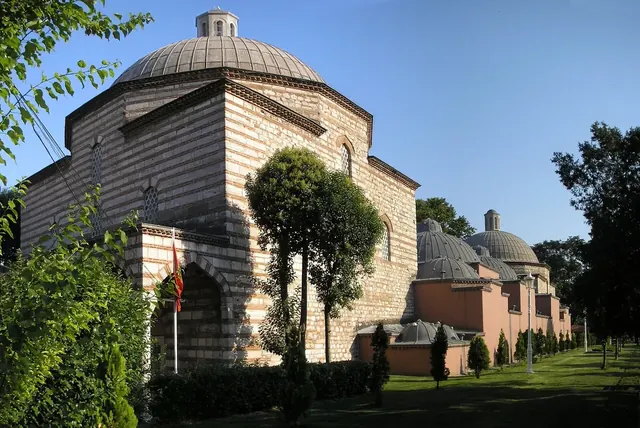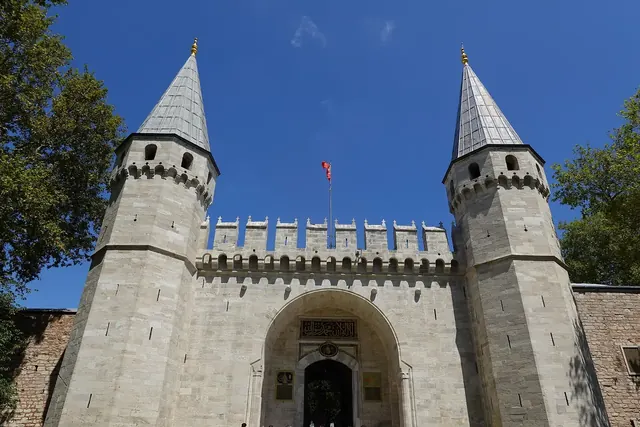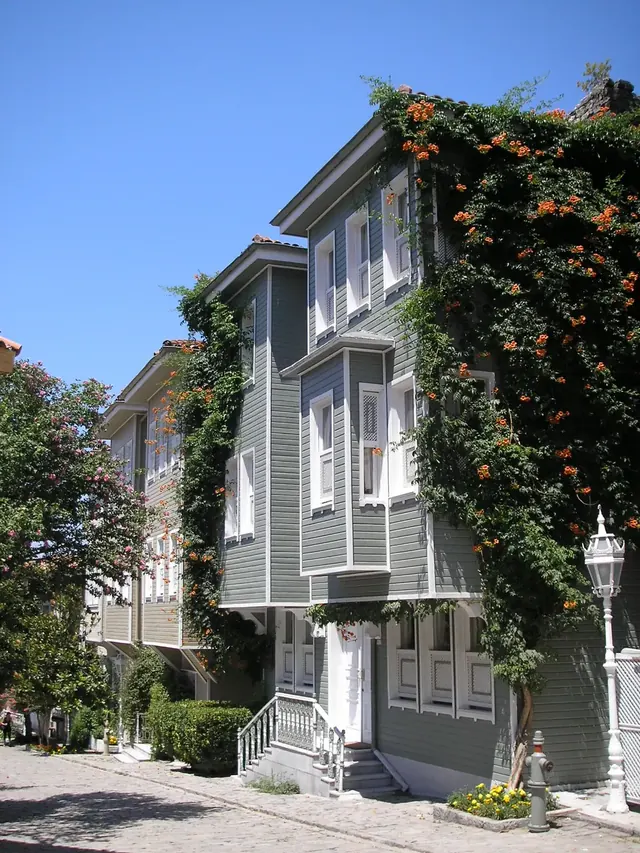
Soğukçeşme Street is a narrow cobbled lane squeezed between the back of Hagia Sophia and the outer walls of Topkapı Palace, running downhill from the palace's Imperial Gate to the entrance of Gülhane Park. Lined with pastel-painted wooden houses with overhanging bay windows, it evokes the look of Ottoman Istanbul and is one of the most photogenic corners of the old city. It costs nothing and lies right on the natural route between Hagia Sophia and Gülhane.
On this page5
A lane between two giants
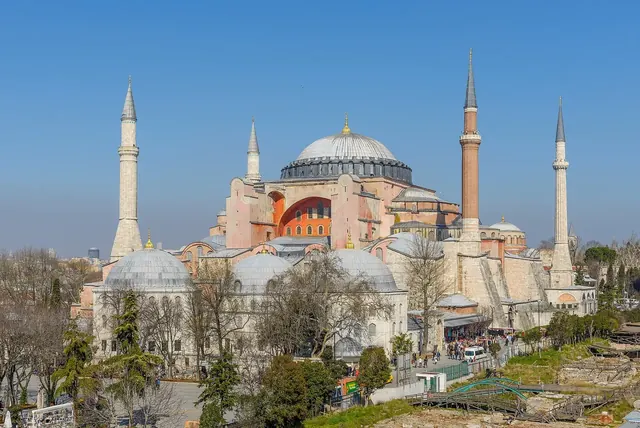
On one side rise the high walls that sealed Topkapı Palace off from the city; on the other, the massive buttresses and dome of Hagia Sophia. In the narrow strip between them, rows of timber houses were built in the 18th and 19th centuries. The street takes its name from an old fountain along the way; soğuk çeşme simply means “cold fountain”.
By the mid-20th century most of the houses were close to collapse. In 1985–86 the Turkish Touring and Automobile Association, led by the preservationist Çelik Gülersoy, remade the street: some houses were repaired, others rebuilt from old photographs and drawings, and for a time they served as guesthouses. The project was praised for rescuing the lane but also criticised by some architects for creating a picture-perfect “stage set” rather than preserving original fabric. Either way, what you see today is part of that story.
What to look out for
- Wooden façades: bay windows, latticed shutters and deep eaves painted in soft yellows, pinks, greens and blues.
- The palace walls: the 15th-century walls enclosing Topkapı Palace, which run alongside the lane on your right as you walk down towards Gülhane.
- Hagia Sophia's back side: buttresses and a profile of the dome you never see from the main square.
- Fountain of Ahmed III: at the top of the street, in front of the Imperial Gate of Topkapı, an ornate 1728 fountain from the Tulip Era.
- Procession Pavilion: at the bottom, the kiosk built into the corner of the wall from which sultans watched parades.
Photography and timing
Come early in the morning, when the lane is almost empty and soft light falls on the coloured façades. By afternoon it becomes a busy thoroughfare for people walking between Topkapı and Gülhane. The street is narrow, so a wide-angle lens or your phone's wide mode helps; to frame the minarets above the rooftops, stand midway and look uphill. Our photo spots guide has more ideas nearby.
The lane is largely free of traffic, so it is pleasant with children, but it is sloping and cobbled; take care with pushchairs and watch your footing when the stones are wet. The houses are private property or businesses, so enjoy them from the street.
Fitting it into your day
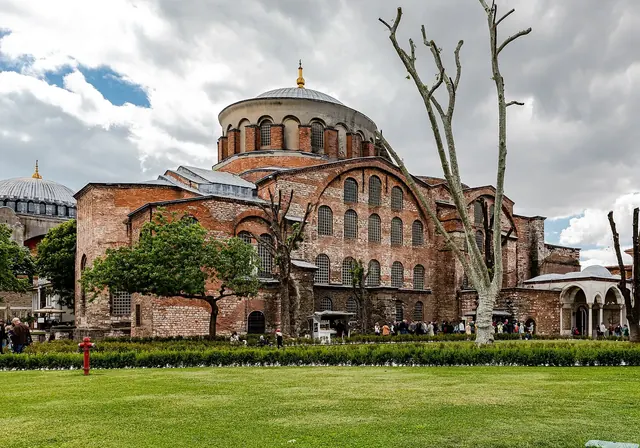
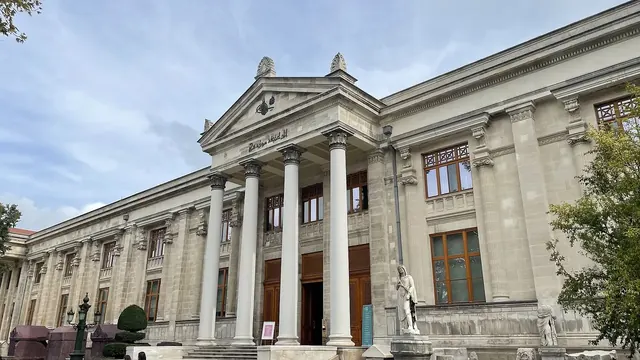
Soğukçeşme is a natural link between the big sights. After Hagia Sophia, enter the lane beside the Imperial Gate and walk down to Gülhane Park and the Istanbul Archaeology Museums. Walking the other way, it leads you up to Topkapı Palace and Hagia Irene. Our walking route from the hotel strings all of these together.
Getting there from Sareban Hotel
From our hotel in Küçük Ayasofya, walk up to Sultanahmet Square, cross the garden between Hagia Sophia and the Blue Mosque and continue round the back of Hagia Sophia towards the outer gate of Topkapı Palace. Beside the Fountain of Ahmed III, the narrow lane sloping down to the left is Soğukçeşme Street. It is an easy walk at a relaxed pace.
Frequently asked questions
Where is Soğukçeşme Street?
Behind Hagia Sophia, between Topkapı Palace's outer Imperial Gate and the entrance to Gülhane Park.
Are the houses genuinely old?
They reflect 18th- and 19th-century timber architecture, but several were rebuilt during the 1980s restoration, so the lane is best seen as a careful re-creation rather than untouched historic fabric.
How long should I spend there?
Walking its length takes a few minutes; allow 15–20 minutes with photo stops.