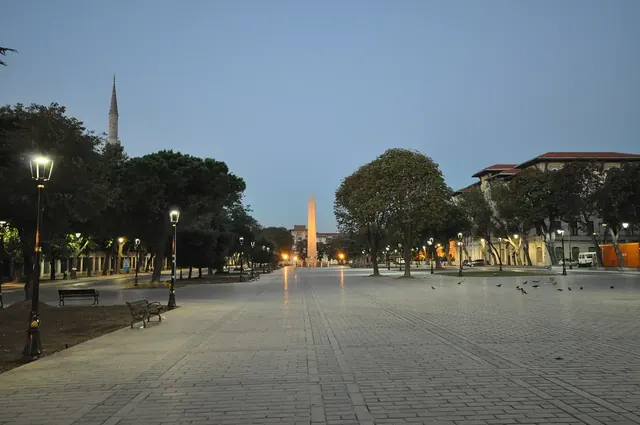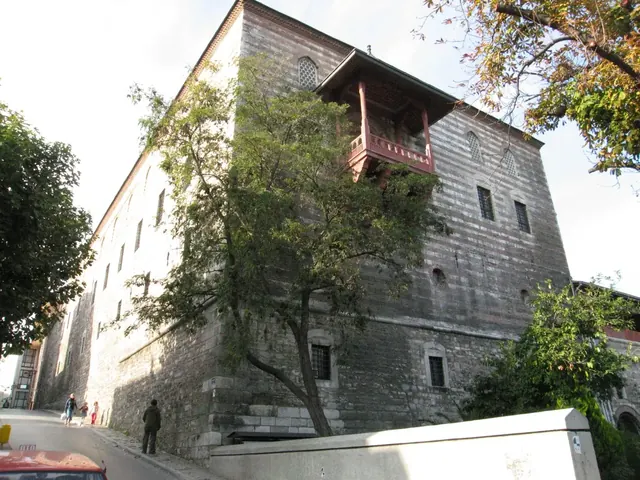
The Museum of Turkish and Islamic Arts occupies the 16th-century stone palace of Ibrahim Pasha, grand vizier to Suleiman the Magnificent, on the west side of the Hippodrome in Sultanahmet. It holds one of the world's finest collections of Islamic art, above all its carpets, some of which are among the oldest knotted carpets known. It is usually far quieter than Hagia Sophia or the Blue Mosque and easy to combine with a walk around the square.
On this page5
A grand vizier's palace turned museum
Ibrahim Pasha, born in Parga on the Ionian coast, rose to become Suleiman's closest confidant and grand vizier, and his residence was built in the 1520s facing the old Hippodrome. After his execution in 1536 the palace passed to the state and later served as barracks, workshops and storage. It is one of the very few 16th-century statesmen's palaces still standing in Istanbul; its thick masonry walls and great audience hall convey how a pasha lived.
The collection is older than its home. It was founded in 1914 as the Museum of Islamic Pious Foundations in the Süleymaniye complex, to rescue carpets, lamps, lecterns and manuscripts from mosques and tombs across Anatolia, and moved here in 1983 after the palace was restored.
Carpets that painters made famous
Carpet lovers come here first. The Seljuk carpets, dating to the 13th century and brought from mosques such as the Alaeddin Mosque in Konya and the Eşrefoğlu Mosque in Beyşehir, are among the earliest knotted pile carpets to survive anywhere. Their bold geometric fields and restrained palette show where the long tradition of Anatolian weaving began.
Later rooms move on to the so-called “Holbein” and “Lotto” carpets, named after Renaissance painters who depicted such rugs, then medallion and star Uşak carpets and the floral designs of the Ottoman court workshops. Pieces hang at eye level, and lighting is kept low to protect the dyes.
Highlights you shouldn't miss
- The Damascus Documents: a unique hoard of early Qur'an leaves and papers brought to Istanbul from the Umayyad Mosque in Damascus in the early 20th century; a selection is on display.
- Calligraphy and manuscripts: Qur'ans from across the Islamic world, illuminated pages, imperial decrees and elaborate sultans' monograms (tughras).
- Wood and metalwork: carved Seljuk Qur'an stands, monumental doors, mosque lamps and candlesticks.
- Ethnography floor: downstairs you can step into a black goat-hair nomad tent and see village looms and house interiors, a favourite with children.
- Views from the audience hall: the upper windows frame the Hippodrome and the Blue Mosque from an angle you will not get at street level.
Planning your visit
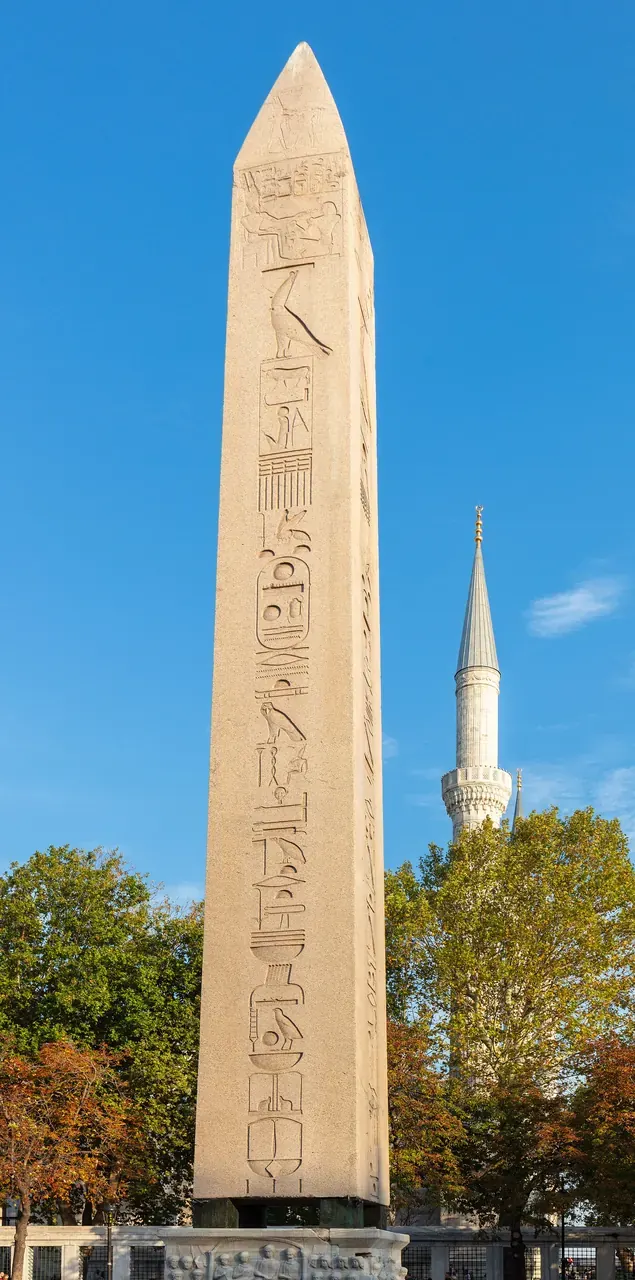
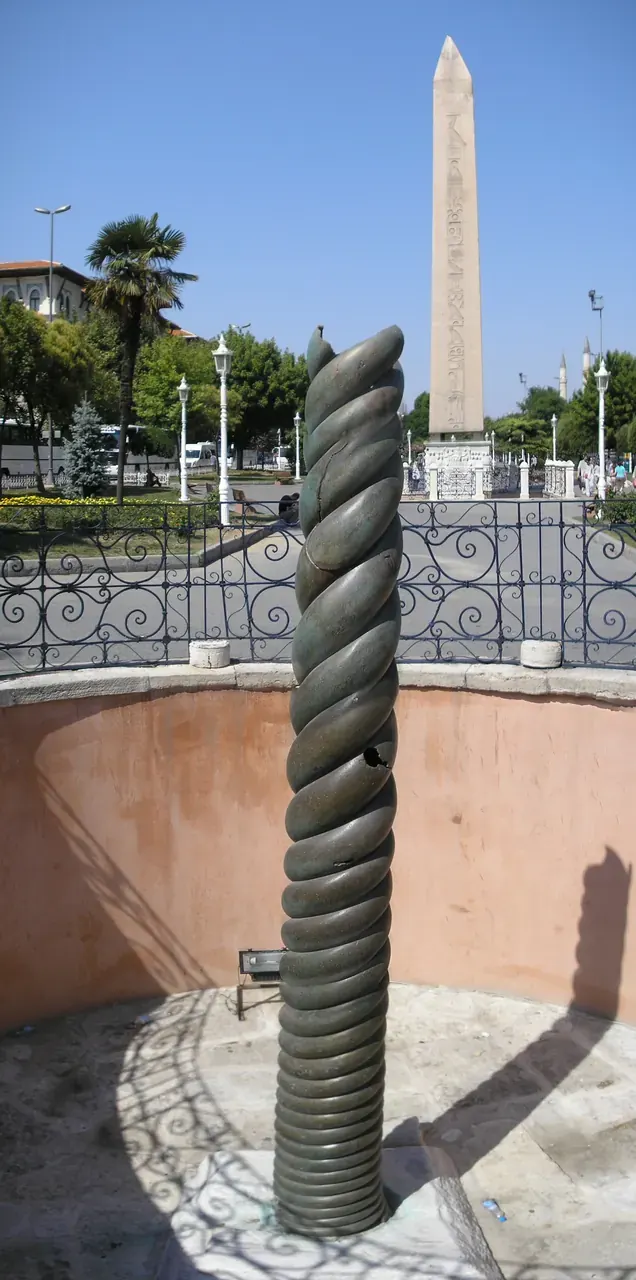
The entrance faces the Hippodrome, right across from the Egyptian Obelisk and the Serpent Column, so it slots neatly into a morning on the square, and it makes a good refuge on a hot afternoon or a rainy day.
The museum is run by the Ministry of Culture and Tourism; check the official website for current hours, tickets and museum-pass validity. Our guide to museum passes helps if you plan several museums.
Getting there from Sareban Hotel
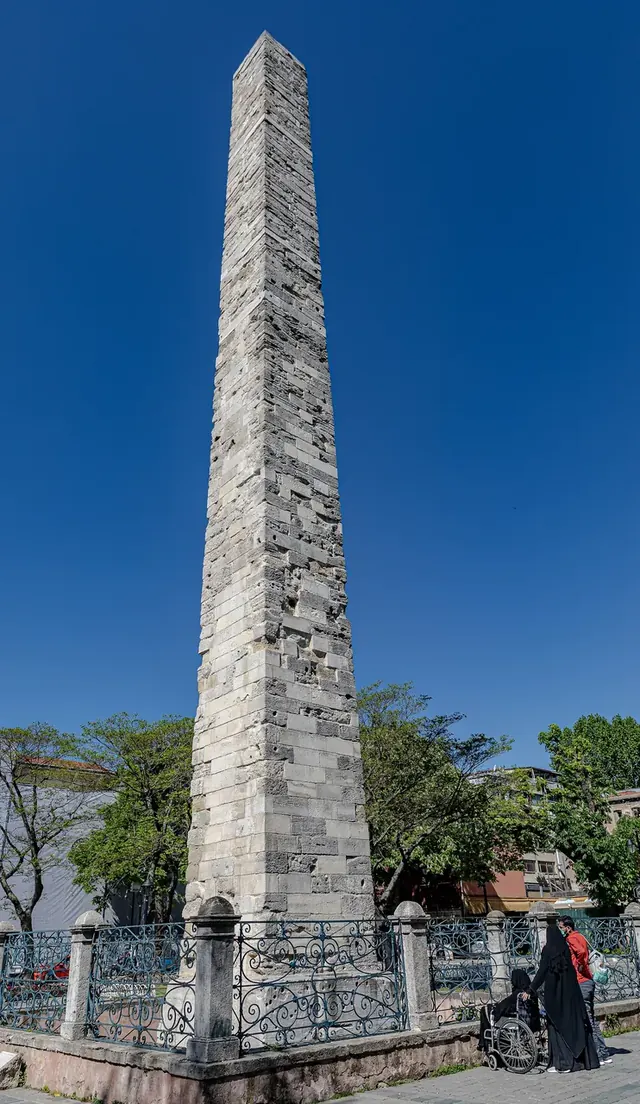
From our hotel in Küçük Ayasofya, walk uphill past the Sokollu Mehmed Pasha Mosque to the southern end of the Hippodrome, then follow the Walled Obelisk along the west side of the square. It is an easy stroll. Coming from elsewhere in the city, take the T1 tram to the Sultanahmet stop and walk a few minutes towards the square.
Frequently asked questions
How long do I need at the Museum of Turkish and Islamic Arts?
About an hour covers the main rooms. Allow 90 minutes to two hours if you are keen on carpets, calligraphy or the ethnography floor.
Is it close to the Blue Mosque?
Yes. It stands on the west side of the Hippodrome, a few minutes on foot across the square from the Blue Mosque courtyard.
Is the museum suitable for children?
It is generally calm and uncrowded, and the nomad tent and village interiors downstairs appeal to kids. Keep the visit short and focus on a few striking objects rather than every label.