The Theodosius Cistern, known locally as the Şerefiye Cistern, is a Byzantine reservoir built between 428 and 443 under Emperor Theodosius II, tucked between Sultanahmet and Çemberlitaş. Reopened in 2018 after a long restoration, it pairs its elegant marble columns with a raised glass walkway and projection shows. Smaller and usually calmer than the Basilica Cistern, it is ideal for a quick half-hour visit.
On this page6
A reservoir for a growing capital
In the early 5th century Constantinople was expanding fast. Under Theodosius II, the emperor behind the great land walls, new cisterns were built to secure the city's water supply, and this is one of them. According to sources, water reached it through the long supply network from the west of which the Aqueduct of Valens was part, and from here it was distributed to nearby palaces and baths.
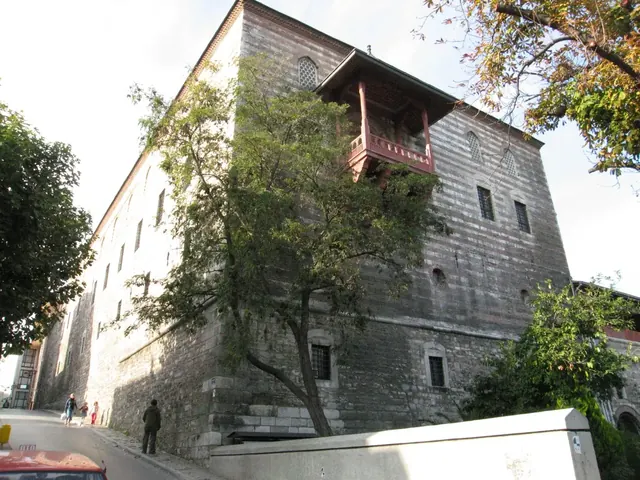
In Ottoman times the cistern disappeared beneath later buildings and was largely forgotten. After extensive excavation and restoration by Fatih Municipality, it opened to visitors in 2018. It carries two names: Theodosius, after the emperor who built it, and Şerefiye, after the neighbourhood where it stands.
Small scale, fine detail
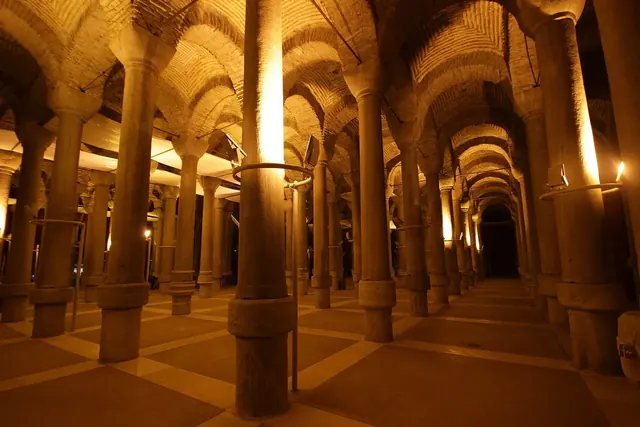
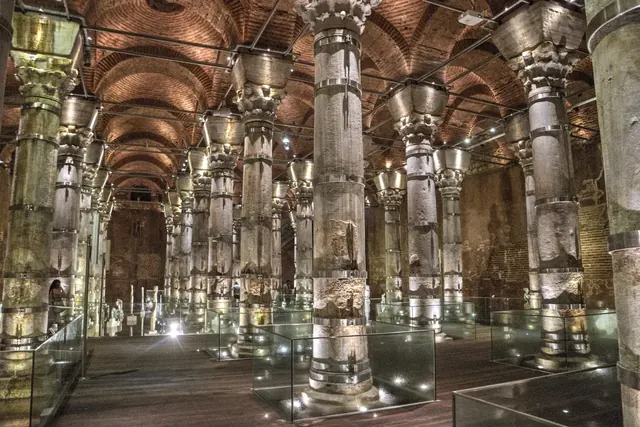
The rectangular hall has 32 marble columns in regular rows, supporting brick vaults. Most capitals are Corinthian, and several appear to be reused pieces taken from earlier buildings. It is much smaller than the Basilica or Binbirdirek cisterns, but that is part of the appeal: you can get close to the columns and study the carved acanthus leaves in detail.
The restoration added a raised walkway, partly of glass, above the original floor. It lets you see the column bases and the full height of the hall at the same time, and peering down through the glass panels is a hit with children.
Light and projection shows
What really sets the Theodosius Cistern apart is its projection mapping. At intervals, images and patterns are beamed onto the columns and vaults, telling the story of the building and of Istanbul's relationship with water, or simply turning the hall into a play of light. The programme and timings can change from season to season.
The main lights dim when a show begins; stand around the middle of the walkway for the widest view. Between shows the cistern is lit in warmer, subtler tones that suit a quieter look around.
What to look for
- Corinthian capitals: compare the acanthus carving and small stylistic differences between reused pieces.
- Glass walkway: look down to the original floor and the column bases.
- Brick vaults: the tidy Byzantine brickwork really stands out when the show lighting sweeps across it.
- The projection show: a few minutes in which the columns become a screen.
Tips and nearby sights
The visit is short by design; half an hour including a show is usually enough. Ticketing and opening hours can change, so check official sources before you go. If you are deciding between cisterns, our guide to Istanbul's cisterns sets out the differences.
With Binbirdirek Cistern and the Basilica Cistern a few streets to the east, it makes a natural three-cistern walk. Head north and you reach Divanyolu and the Grand Bazaar in minutes, so it also works as a cool pause before a shopping trip.
Getting there from Sareban Hotel
From our hotel in Küçük Ayasofya, walk north-west and uphill through the streets west of the Hippodrome; the route passes close to Binbirdirek Cistern, so combining the two is easy. By tram, get off the T1 at Çemberlitaş and walk a few minutes south.
Frequently asked questions
Are the Şerefiye Cistern and the Theodosius Cistern the same place?
Yes. It is named after Emperor Theodosius II, who built it, and after the Şerefiye neighbourhood where it stands.
Theodosius Cistern or Basilica Cistern?
The Basilica Cistern is bigger and more famous but usually crowded. The Theodosius Cistern is small, calm and offers a light show. See both if you can; if time is short, the Theodosius Cistern is a quick, rewarding alternative.
Is it good for children?
Yes. The glass walkway and light show keep kids engaged, and the visit is short. Warn little ones that the hall goes dark when the show starts.