A türbe is a mausoleum, usually domed, built for a sultan, a member of the dynasty, a statesman or a revered religious figure. In Istanbul they stand in the courtyards and gardens of mosques and are visited quietly by Muslims coming to pray and by curious travellers alike. Keep your voice low, dress modestly and give space to people praying, and you will be welcome in any of them.
On this page6
What is a türbe, and what will you see inside?
Inside a türbe you will find wooden cenotaphs (sanduka), usually draped in green or dark cloth. A man's cenotaph often has a turban placed at its head. These are symbolic tombs: the actual burial is usually in a crypt beneath. Walls may be lined with İznik tiles, domes painted with ornament, and the inscription above the door tells you who lies there; our guide to Islamic calligraphy helps you make sense of them.
In Islam, visiting graves is encouraged as a reminder of mortality and a chance to pray for the dead. Prayers are addressed to God alone; the person buried in a türbe is remembered and prayed for, not prayed to. Tombs are usually part of a larger mosque complex, explained in our article on külliye and vakıf.
Istanbul's most visited tombs
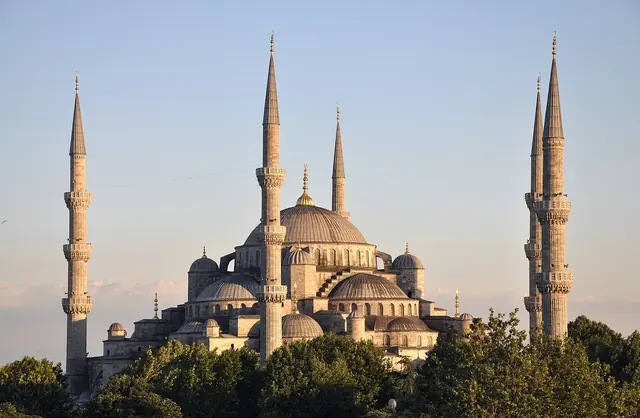
- Tomb of Sultan Ahmed I: part of the Blue Mosque complex, at the corner facing the square. It was completed after the sultan's death by Sedefkar Mehmed Agha, the mosque's architect. Alongside Ahmed I lie his sons Osman II and Murad IV and, according to most sources, Kösem Sultan. The interior is lined with İznik tiles.
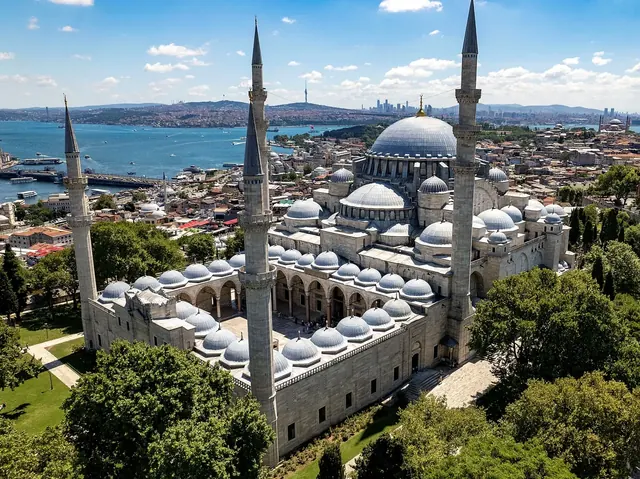
- Tombs of Süleyman the Magnificent and Hürrem Sultan: in the garden behind the Süleymaniye Mosque. Süleyman's octagonal tomb is by Sinan; Hürrem's smaller tomb beside it is known for its beautiful tiles.
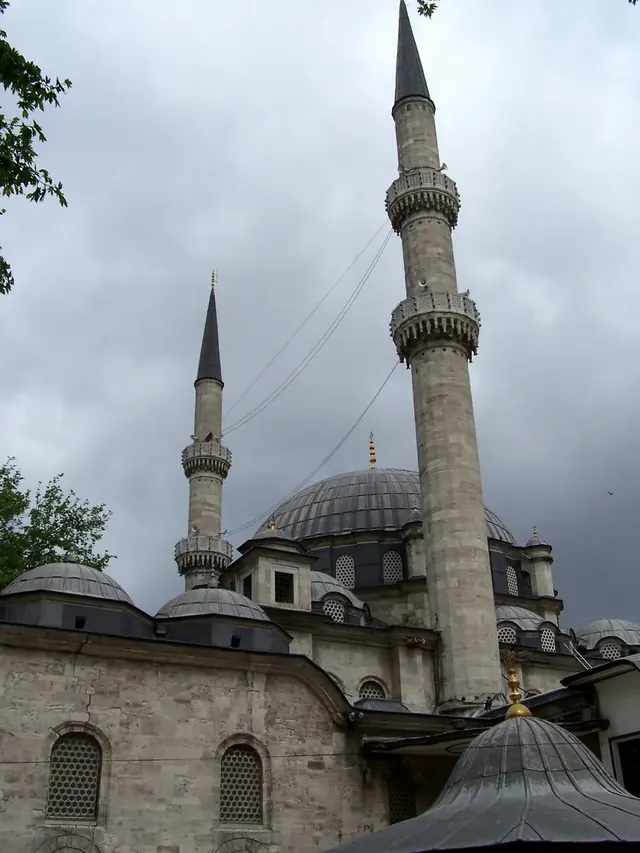
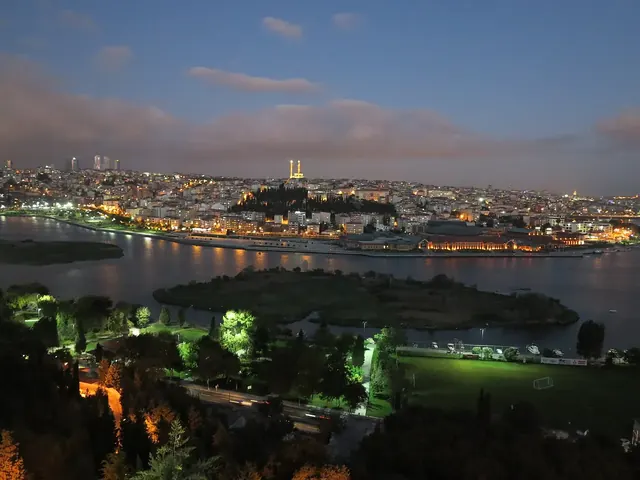
- Tomb of Eyüp Sultan: Abu Ayyub al-Ansari, a companion who hosted the Prophet in his home in Medina, took part in a 7th-century Arab siege of Constantinople and died near its walls. According to tradition, his grave was identified after the Ottoman conquest by the scholar Akşemseddin, and the Eyüp Sultan Mosque was built beside it. It is the most important place of pilgrimage in Istanbul.
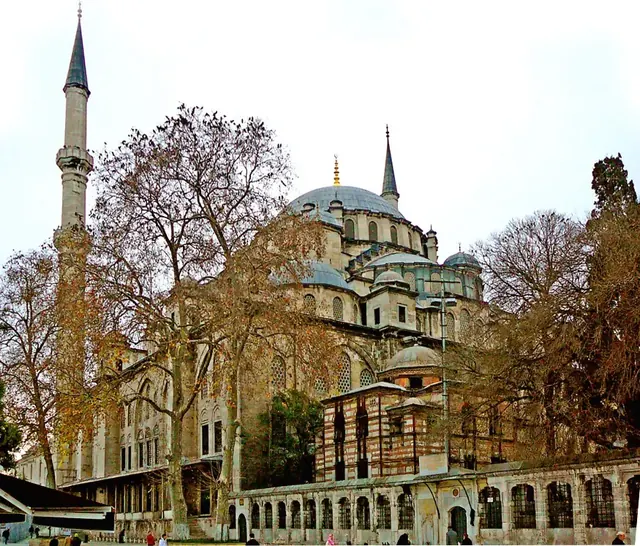
- Tomb of Sultan Mehmed II: behind the Fatih Mosque, the resting place of the sultan who conquered the city in 1453.
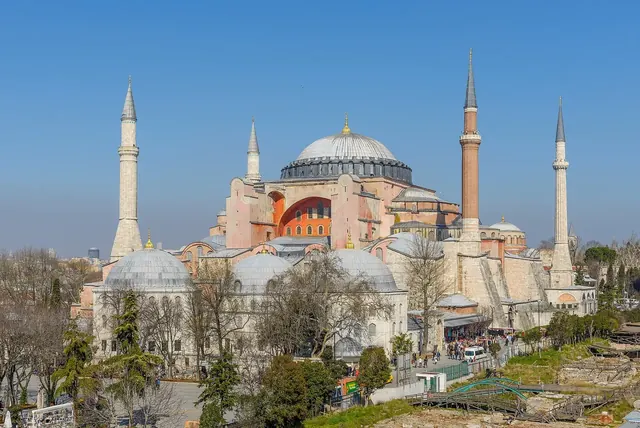
- The Hagia Sophia tombs: in the grounds of Hagia Sophia stand the tombs of sultans such as Selim II, Murad III and Mehmed III and their families.
- Tomb of Mahmud II: on Divanyolu, as you walk towards Çemberlitaş, a 19th-century tomb with a small garden cemetery, an easy stop on a short walk from our hotel.
Etiquette: how to behave
The rules overlap closely with our mosque etiquette guide. The guiding idea is simple: this is not a museum gallery but a place where people pray and remember.
- Quiet: speak softly and silence your phone. If you are with a group, do the explaining outside.
- Dress: cover shoulders and knees. It is customary for women to cover their hair, and at busy places of pilgrimage such as Eyüp Sultan it is expected, so carry a scarf.
- Shoes: some tombs ask you to remove your shoes or wear the plastic overshoes offered at the door; follow the signs.
- Respect for prayer: Muslim visitors usually offer a greeting of peace and recite al-Fatiha or Ya-Sin. If you are not Muslim, a quiet moment of respect is ideal. Avoid walking directly in front of someone who is praying.
- Hands off: do not lean on the cenotaphs or touch the cloths, and in cemeteries never step or sit on graves.
- Photography: many tombs forbid photos or discourage them. Where they are allowed, never use a flash and do not photograph people praying.
- Wishing customs: tying rags, throwing coins or lighting candles are considered religiously inappropriate; please avoid them.
Reading Ottoman gravestones: turbans, fezzes and flowers
Ottoman cemeteries are open-air archives. Men's headstones are often crowned with carved headgear that shows the person's profession or rank: turbans of different shapes mark scholars, officials or military corps, while the tall felt sikke marks a Mevlevi dervish. After Sultan Mahmud II's dress reforms in the 19th century, the fez begins to appear on stones.
Women's gravestones are usually decorated with flowers and plants, sometimes with carved headdresses or hair ornaments of their time. Inscriptions often open with “Hüve'l-Baki” (“He alone is Everlasting”), continue with the name and a short prayer, and close with “Ruhuna Fatiha”, a request to passers-by to recite the Fatiha for the soul of the deceased. A smaller second stone marks the foot of the grave.
Why the cypress trees?
The skyline of an Ottoman cemetery is defined by tall, dark cypress trees. Evergreen through every season, the cypress symbolises eternity and the afterlife, and its upright form is compared to the letter elif, the first letter of the Arabic alphabet and a symbol of God's oneness. It is also often said that its roots grow deep rather than wide, so they do not disturb the graves.
The best place to feel this atmosphere is the historic cemetery that climbs from behind the Eyüp Sultan Mosque up to Pierre Loti Hill. As you follow the stone path between the cypresses, the view over the Golden Horn gradually opens up. Our Eyüp neighbourhood guide has more ideas for the area.
Practical tips
- Visiting times vary and individual tombs may close for restoration, so check the current situation before you go.
- Fridays and religious holidays bring big crowds, especially at Eyüp Sultan; weekday mornings are calmest.
- Tombs are often small rooms; if it is busy, wait your turn and keep your visit brief.
- Muslim travellers may also enjoy our guide to Istanbul for Muslim travellers, which covers the city's spiritual sites.
Frequently asked questions
Can non-Muslims visit tombs in Istanbul?
Yes. The tombs are open to all visitors. Dress modestly, keep quiet and be respectful of people praying.
Do women need to cover their hair in a türbe?
It is customary and expected at busy pilgrimage sites such as Eyüp Sultan. We recommend carrying a light scarf.
Can I take photos inside a tomb?
Often not. Many tombs prohibit or discourage photography. Follow the signs, never use a flash and do not photograph people praying.
What do the turbans and fezzes on gravestones mean?
The carved headgear on men's gravestones indicates their profession, rank or Sufi order. A fez usually dates the stone to after the 19th-century dress reforms.