Istanbul is one of the few great world cities where a Muslim traveller can feel completely at home: the adhan sounds five times a day, every neighbourhood has a mosque and halal food is the norm rather than the exception. Staying in the Old City, you can plan each day around prayer times while visiting some of the finest mosques ever built. Here is what you need to know about worship, food, dress and the city's most meaningful spiritual sites.
On this page7
Prayer times, the adhan and finding a place to pray
In the Old City the call to prayer rises from so many minarets that the voices overlap and echo, one of Istanbul's most unforgettable sounds. Prayer times follow the sun and shift a little each day, so keep the official timetable of Turkey's Directorate of Religious Affairs (Diyanet) or a reliable prayer-time app on your phone.
Around Sultanahmet there is a mosque every few hundred metres, so missing a prayer is rarely an issue. Mosques have ablution facilities in or beside the courtyard, and the larger ones have separate women's sections and wudu areas. Airports, big shopping centres and some museums and transport hubs also have prayer rooms (mescit).
Where to pray in the Old City
Most mosques in the historic peninsula are both living places of worship and architectural masterpieces. A few suggestions depending on whether you want grandeur or quiet:
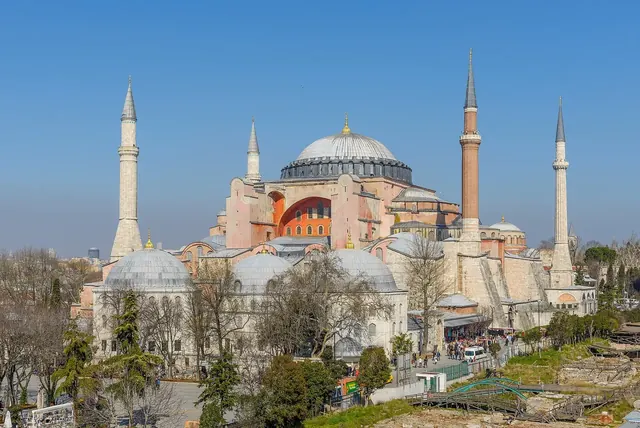
- Hagia Sophia Grand Mosque: Reconverted to a mosque in 2020, it hosts the five daily prayers. Worshippers are admitted to the prayer area on the ground floor, while foreign tourists follow a separate, ticketed route to the upper gallery. Check the current arrangement at the entrance.
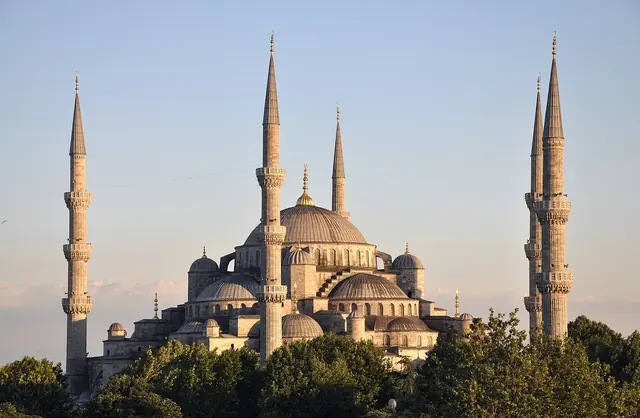
- Blue Mosque (Sultanahmet Mosque): With six minarets and Iznik tiles, it fills with worshippers at prayer times. The worshippers' entrance is separate from the visitors' entrance; if you are coming to pray, use the former.
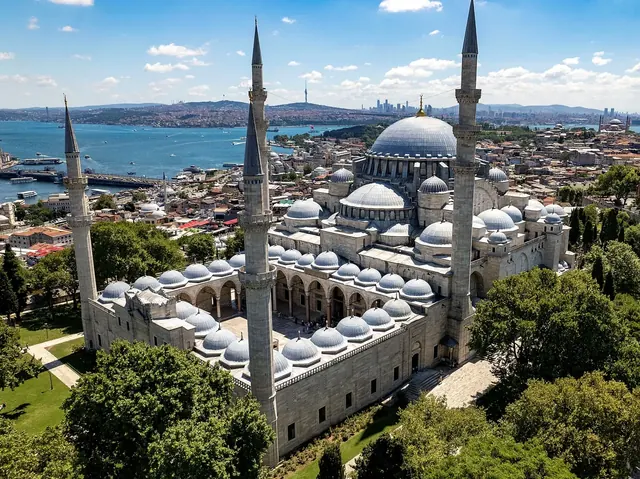
- Süleymaniye Mosque: Mimar Sinan's masterpiece, with a courtyard overlooking the Golden Horn, is especially serene at dawn and afternoon prayers. Follow our Mimar Sinan route for more of his work.
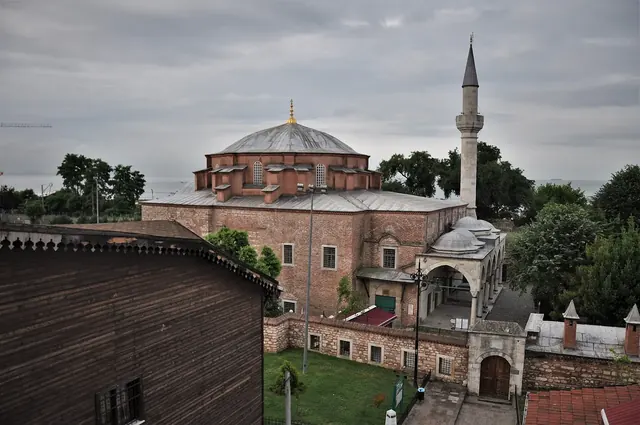
- Little Hagia Sophia Mosque: A former Byzantine church a few minutes from our hotel, with a local congregation and a calm atmosphere, perfect for praying away from the crowds.
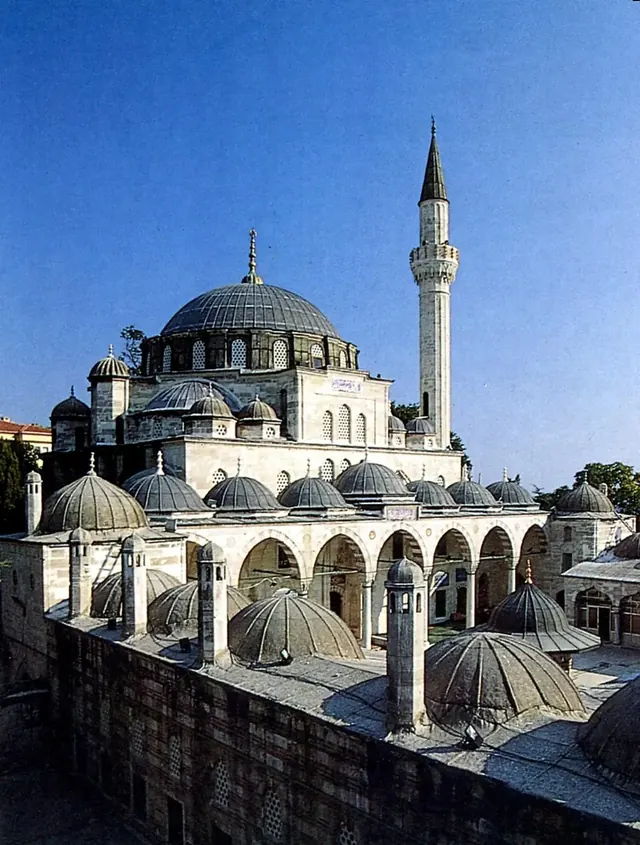
- Sokollu Mehmet Pasha Mosque: A small, exquisite Sinan mosque. Fragments said to come from the Black Stone of the Kaaba are set above the entrance, in the mihrab and in the minbar.
- Fatih Mosque: The complex holding the tomb of Sultan Mehmed II, the conqueror of Constantinople. The streets around it reflect one of the city's most traditional and lively religious neighbourhoods.
Friday prayer: arrive early
Jumu'ah at midday on Fridays is when Istanbul's mosques are at their fullest. At the Blue Mosque, Süleymaniye or Eyüp Sultan, the congregation overflows into the courtyards and nearby streets, so arrive well before the adhan if you want a place inside. The khutbah is delivered in Turkish; some mosques occasionally share summaries in other languages, but don't count on it.
Tourist visits pause for longer around Friday prayer. If you plan sightseeing the same day, keep the afternoon for somewhere close by, such as Topkapı Palace.
Spiritual highlights: Eyüp Sultan and the Holy Relics
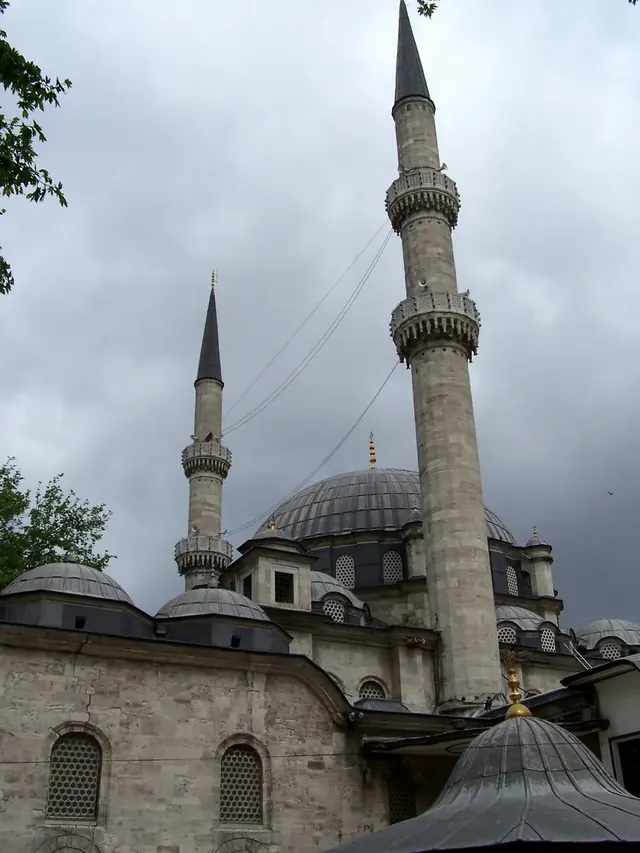
For many Muslim visitors the most meaningful place in Istanbul is Eyüp Sultan Mosque. Abu Ayyub al-Ansari, the Companion who hosted the Prophet in his home in Medina, is believed to have died before the city walls during an early Arab siege and to be buried here. After the conquest, Mehmed II built a mosque beside the tomb; the present building dates from a rebuilding at the end of the 18th century. Ottoman sultans were girded with the sword of office here on their accession.
Visitors to the tomb keep quiet and dress modestly, and there may be a queue on busy days. Afterwards, walk up through the hillside cemetery or take the cable car to Pierre Loti Hill for tea with a view over the Golden Horn. The wider Eyüp district deserves half a day.
At Topkapı Palace, the Holy Relics section displays objects attributed to the Prophet and his Companions, and the recitation of the Qur'an in the chamber gives the visit a special spiritual atmosphere.
Halal food is simply the default
Because the vast majority of Turks are Muslim, the meat served in restaurants is generally slaughtered according to Islamic rules, and pork does not appear on ordinary menus. Kebab houses, köfte grills, pide bakeries, soup kitchens and traditional tradesmen's canteens are all easy choices. Some restaurants do serve alcohol, so if that matters to you, simply ask before sitting down or choose alcohol-free places.
Packaged goods often carry a halal certification logo, but in everyday eateries you rarely need to look for one. Our food guide and street food guide tell you what to try.
Istanbul in Ramadan
Ramadan transforms the city. As iftar approaches the streets fall quiet, then the Hippodrome square and mosque courtyards fill with families, shared tables and iftar tents. Illuminated ‘mahya’ messages strung between minarets, drummers waking the neighbourhood for suhoor and the smell of fresh Ramadan pide from bakeries are the season's signatures. Praying tarawih in a great mosque such as the Blue Mosque or Hagia Sophia stays with many visitors for years. See our Ramadan in Istanbul guide for details.
Modest dress and everyday comfort
Istanbul is diverse: women in headscarves and without, and every style of dress, share the same streets. Modest and hijab-friendly clothing draws no attention at all, and in districts such as Fatih, Eyüp and Üsküdar it is simply part of daily life. For mosque etiquette, see our guide to visiting mosques.
Where you stay matters too. Our hotel in Küçük Ayasofya is alcohol-free and family-oriented, and the adhan from our neighbour, Little Hagia Sophia Mosque, sets the rhythm of the street; read more about the concept on our family and alcohol-free stay page. Add the extraordinary tiles of Rüstem Pasha Mosque near the Spice Bazaar to your list and, if you cross to the Asian side, Büyük Çamlıca Mosque, Turkey's largest.
Frequently asked questions
Is it easy to find halal food in Istanbul?
Yes. Restaurant meat is generally halal and pork is not served in ordinary eateries. If you prefer to avoid places that serve alcohol, just ask before you sit down.
Can I pray in Hagia Sophia?
Yes. Hagia Sophia has been a mosque again since 2020 and holds the five daily prayers. Worshippers use the ground-floor prayer area, while the tourist visit to the upper gallery is a separate, ticketed route.
When should I arrive for Friday prayer?
Large mosques overflow into their courtyards on Fridays. Aim to be there at least half an hour before the midday adhan, earlier if you want a place inside.
How do I check prayer times?
Use the official Diyanet timetable or a reliable prayer-time app. In the Old City, the adhan itself will remind you.