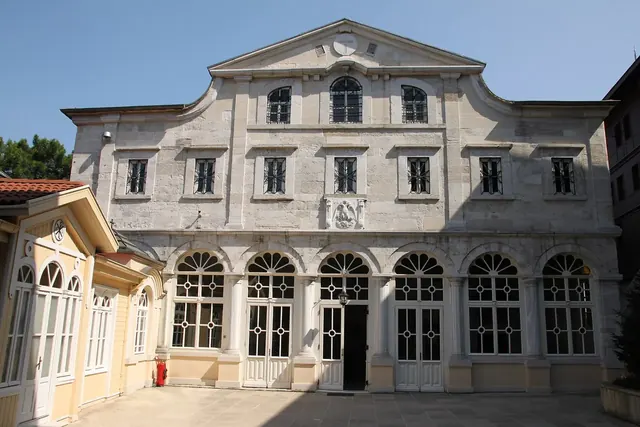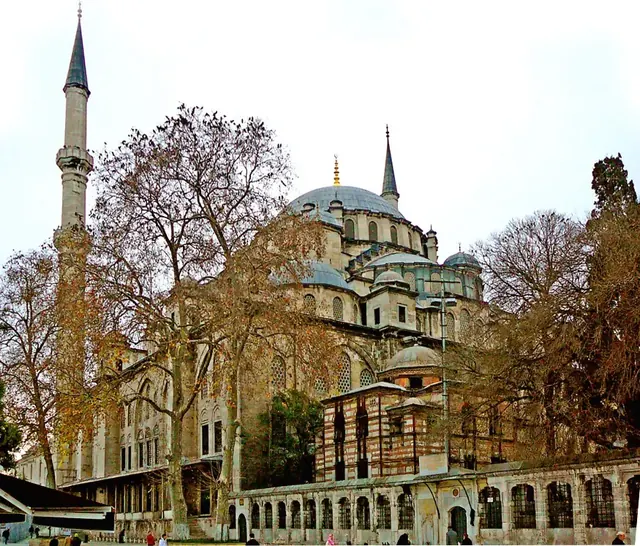
Fatih Mosque is the heart of the vast complex Sultan Mehmed II built on Istanbul's fourth hill, on the site of the Byzantine Church of the Holy Apostles, a decade after he conquered the city. The mosque you see today was rebuilt after the 1766 earthquake, but its courtyard is original, and the Conqueror himself is buried in the garden behind it.
On this page6
From the Holy Apostles to the Conqueror’s complex
Long before the mosque, this hilltop held the Church of the Holy Apostles, second only to Hagia Sophia in Byzantine Constantinople. Sources trace the first church to Constantine the Great or his son Constantius II; Justinian rebuilt it in the 6th century, and for centuries it served as the burial place of Byzantine emperors. By 1453 it was in poor repair, and after the conquest it briefly housed the Orthodox Patriarchate before the site was given over to a new project.
In 1463 Mehmed II began a complex that would carry his name, designed by an architect usually recorded as Atik Sinan (not the famous Mimar Sinan, who came a generation later). Completed in 1470, it was a small city in itself: mosque, tomb garden, colleges, hospital, soup kitchen, guesthouse, library and bathhouse. Complexes like this were how the Ottomans repopulated and rebuilt a half-empty capital, one neighbourhood at a time.
Why the mosque looks younger than its courtyard
The original mosque had a single great dome backed by one semi-dome. It survived the severe earthquake of 1509 with repairs, but the earthquake of 22 May 1766 brought the dome down. Sultan Mustafa III had it rebuilt between 1767 and 1771 by the architect Mehmed Tahir Ağa, this time with a central dome surrounded by four semi-domes, a symmetrical plan closer to the Şehzade Mosque.
So the prayer hall is late 18th century, while the arcaded courtyard, the main portal and the lower sections of the minarets largely belong to the 15th-century building. Pause at the courtyard entrance to look at the inscription and the fine stonework; it is one of the few places where you can still touch Mehmed II's Istanbul.
The Eight Colleges: an Ottoman university town
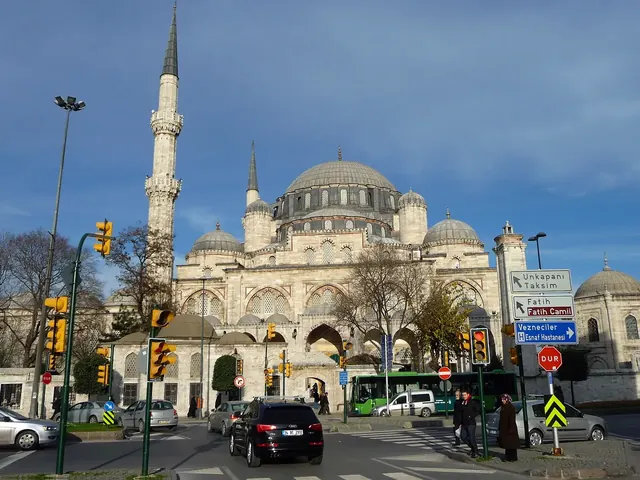
Flanking the mosque on both sides are the Sahn-ı Seman, eight large madrasas laid out in perfect symmetry, with smaller preparatory colleges behind them. Until the Süleymaniye was founded they were the highest schools of the empire, teaching law, theology, Qur'anic studies and mathematics. Today various institutions use the buildings, so you may not always get inside, but the long rows of domed cells are impressive even from the street.
What to see in the courtyard and tomb garden
- Tomb of Mehmed II: in the garden behind the prayer hall, rebuilt after the earthquake in the Ottoman baroque style of the day. Many Turkish visitors stop here to say a short prayer; move quietly and let them have space.
- Tomb of Gülbahar Hatun: the Conqueror's consort and mother of Bayezid II, a simple, elegant building next to his.
- Cemetery garden: among the carved headstones is the tomb of Gazi Osman Pasha, the defender of Plevna in 1877.
- Courtyard and ablution fountain: marble columns, domed porticoes and coloured stone from the original 15th-century mosque.
- Prayer hall: the four-semi-dome interior, with painted decoration and chandeliers refreshed during restoration in the 2010s.
The Wednesday market and a devout neighbourhood
Fatih is one of Istanbul's most traditional and religious districts, and you will see it in the dress and pace of the streets. On Wednesdays a huge neighbourhood market spills through the lanes around the mosque, selling fabrics, headscarves, household goods, olives, cheese and fresh produce. It is a great slice of everyday life, though crowded and hard going with a pushchair. Simple local eateries nearby serve stews, pide and milk puddings.
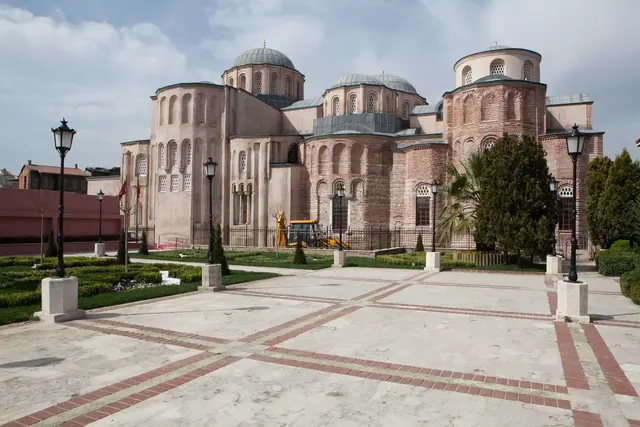
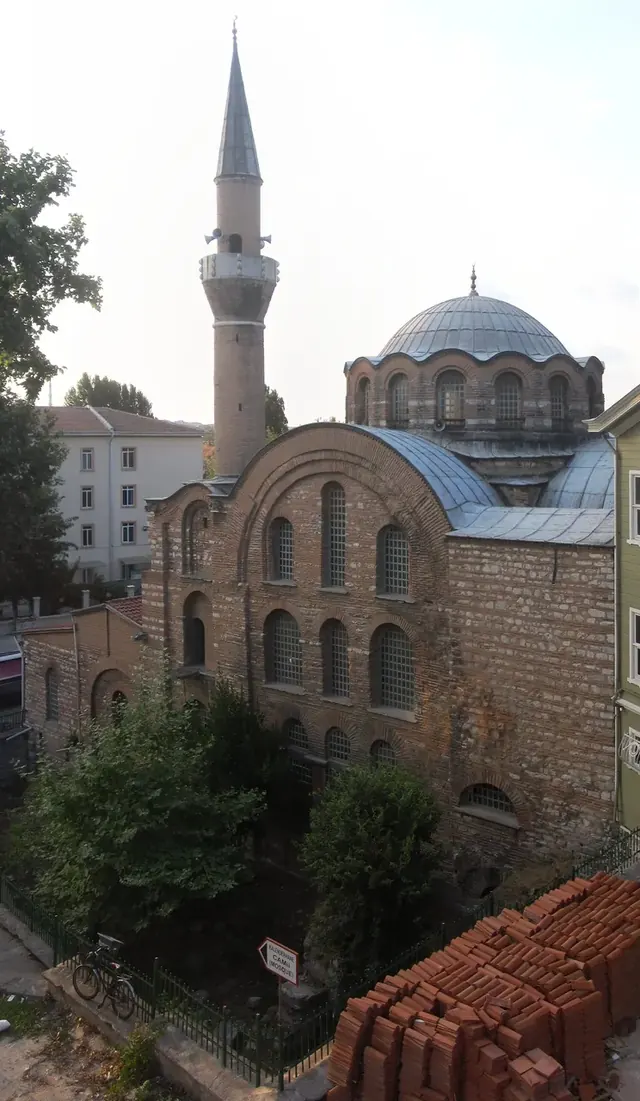
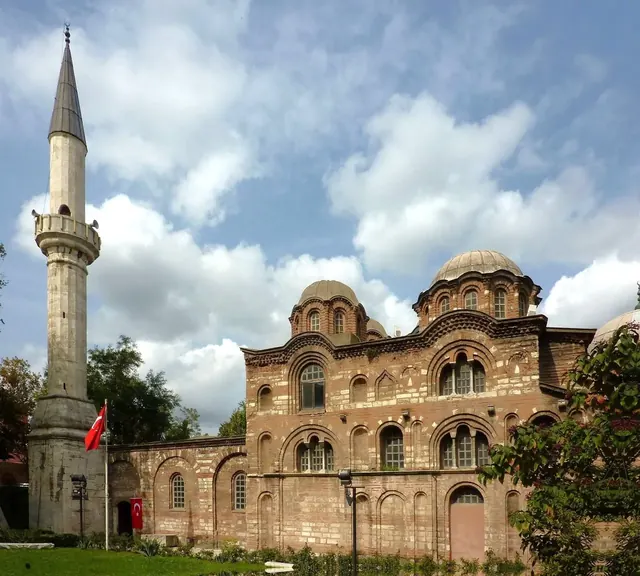
The Byzantine Zeyrek Mosque is a short walk away, so the two make an easy pair within a wider stroll through Fatih and Zeyrek.
Getting there from Sareban Hotel
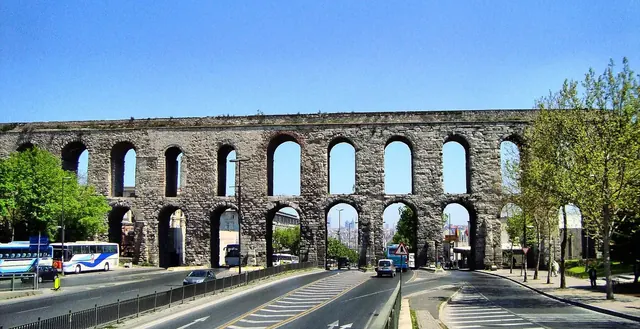
From our hotel in Küçük Ayasofya, walk to the Sultanahmet or Çemberlitaş stop and take the T1 tram towards Aksaray. Get off around Laleli, pass the Şehzade Mosque and follow the arches of the Valens Aqueduct; a gentle uphill walk brings you to the mosque, with Roman and Ottoman Istanbul side by side along the way.
Buses climb to Fatih from both Aksaray and Eminönü, and a taxi is simple if you prefer not to walk. On the way back, many guests wander down via the Süleymaniye Mosque for its terrace views before heading to the hotel.
Frequently asked questions
Is Fatih Mosque the original 15th-century building?
Only partly. The first mosque (1463–1470) collapsed in the 1766 earthquake and the prayer hall was rebuilt in 1767–1771. The courtyard, main portal and minaret bases are largely original.
Can I visit the tomb of Mehmed the Conqueror?
Yes, the tomb is usually open to respectful visitors during the day, though it may close briefly at prayer times or for maintenance. Check on site.
Is Fatih a good area for families?
Yes. It is a lively residential district with a strong local character; just dress modestly and expect busy streets on market day.