Ramadan is one of the most special times to be in Istanbul. Streets fall quiet at the moment of iftar, then squares fill with family picnics and illuminated messages glow between minarets. Sultanahmet is the heart of it all. This guide covers iftar, tarawih prayers, mahya lights and the sahur drummers, plus the practical details visitors should know.
On this page8
When is Ramadan?
Ramadan follows the Islamic lunar calendar, so it moves about 10 to 11 days earlier each year in the Gregorian calendar, falling in long summer days in some years and short winter days in others. It is followed by the three-day Ramazan Bayramı (Eid al-Fitr). Check the dates for your year before planning.
Iftar on Sultanahmet Square
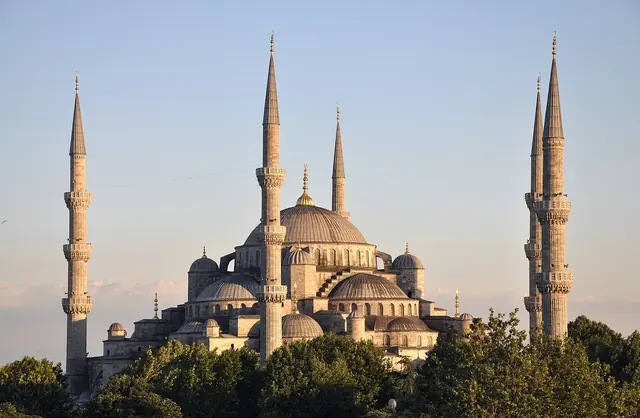
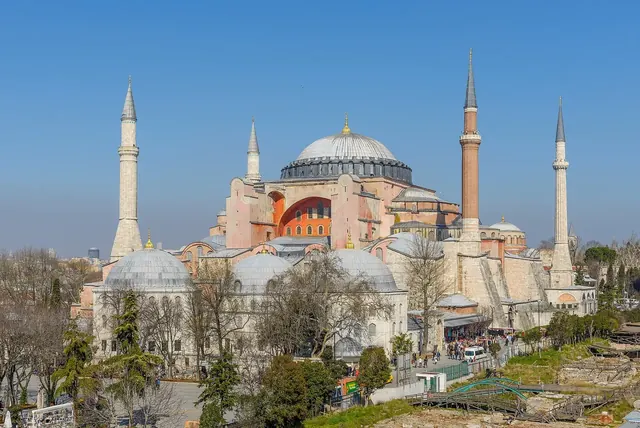
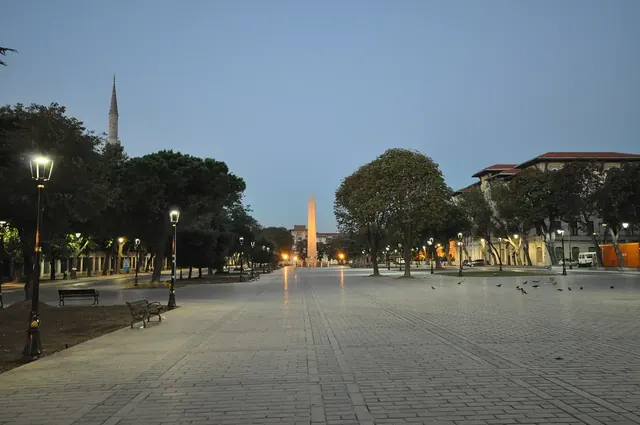
As iftar approaches, Sultanahmet Square and the park between the Blue Mosque and Hagia Sophia fill with families carrying picnic cloths, flasks and bags of food. People settle on the grass and wait for the evening call to prayer; when it comes, fasts are broken with dates and water and a warm, contented hum spreads across the square.
In many years the square hosts a Ramadan festival area with handicraft stalls, traditional performances and food stands. Programmes change from year to year, so check local sources. Even if you are not fasting, witnessing this atmosphere is unforgettable.
The iftar table and Ramadan food
- Dates and water: the traditional way to break the fast.
- Soup: lentil or ezogelin soup is a fixture of every iftar.
- Ramadan pide: a soft flatbread topped with nigella and sesame seeds, baked only this month. Queues form outside bakeries before iftar.
- Güllaç: a light dessert of starch wafers soaked in rose-scented milk. For more sweets, see our Turkish desserts guide.
- Iftar at restaurants: they fill up completely at sunset, so book ahead or arrive early and order before the call to prayer.
Mahya: messages of light between minarets
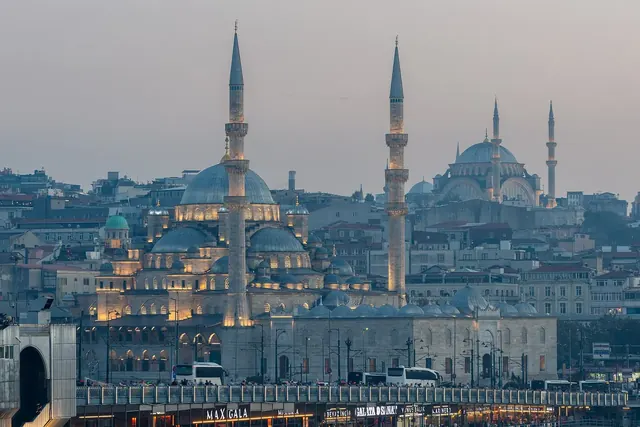
A mahya is a message or picture spelled out in lights strung between two minarets, a tradition known only in Turkey and said to date back to the early 17th century. Mahyas carry greetings welcoming Ramadan or short words of advice.
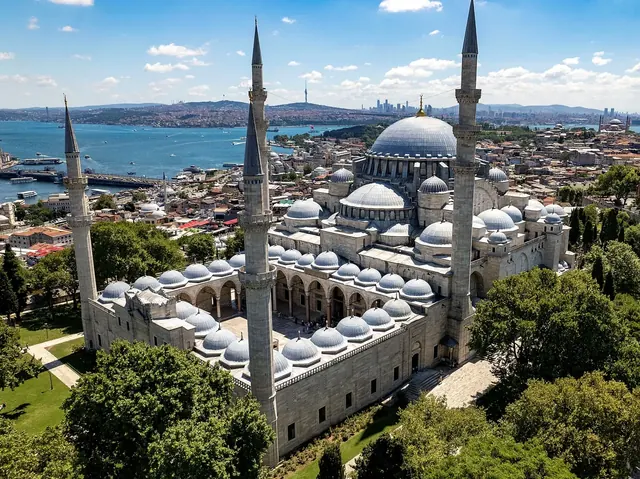
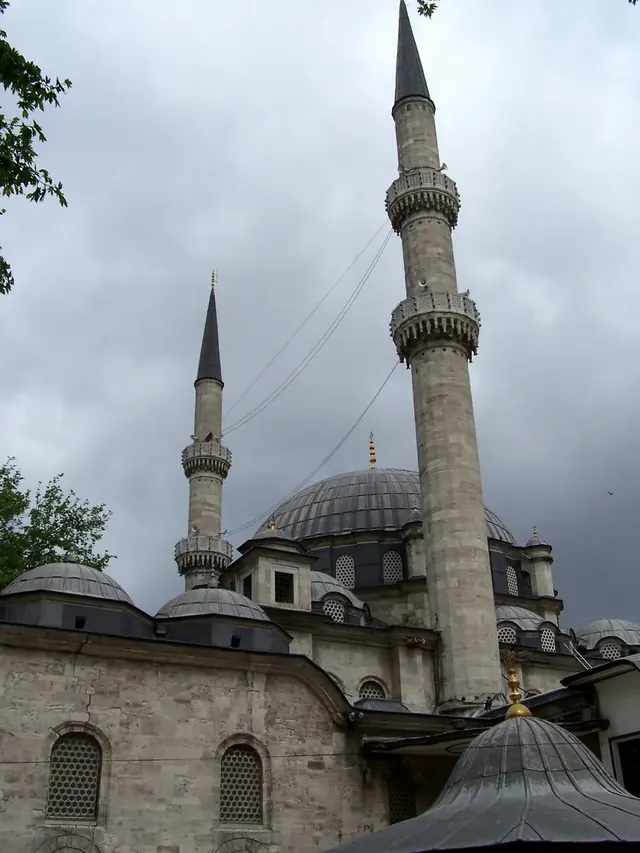
You need at least two minarets to hang one, so look for them on the great imperial mosques: the Blue Mosque, Süleymaniye, the New Mosque and Eyüp Sultan. From the Galata Bridge or a ferry after dark, you can pick out several at once.
Tarawih in historic mosques
The tarawih prayers after the night prayer are the spiritual high point of Ramadan evenings. At big mosques such as the Blue Mosque, Hagia Sophia, Süleymaniye, Eyüp Sultan and Fatih Mosque they are very crowded, so arrive early. There are dedicated women's sections.
In the last ten nights, and especially the 27th, traditionally observed as Laylat al-Qadr, mosques overflow. For a calmer experience, try a neighbourhood mosque such as Little Hagia Sophia, right next to our hotel. For prayer, dress and visiting rules, see our mosque etiquette guide.
The sahur drummers
The most nostalgic sound of Ramadan nights is the davulcu, the drummer who walks the streets before the pre-dawn meal, beating his drum and reciting rhymes to wake people for sahur. The custom lives on in the old neighbourhoods of the historic peninsula, so do not be surprised by a drum in the early hours. During Eid the drummers knock on doors for tips. Light sleepers may want earplugs.
Practical tips for visiting in Ramadan
- Most restaurants in Istanbul stay open during the day, so non-fasting visitors can eat normally; it is simply courteous to avoid eating and drinking openly around mosques and in crowded places.
- Opening hours of some museums, bazaars and shops may change during Ramadan and especially during Eid; check official sources.
- Traffic and public transport are extremely busy just before iftar, so avoid travelling then.
- Travel peaks during Eid, so arrange transport and accommodation in advance.
- Mosques are not open for sightseeing during tarawih; plan tourist visits for daytime.
Where to stay in Ramadan
As an alcohol-free family hotel, Sareban Hotel is a peaceful base for Ramadan travellers: the Little Hagia Sophia and Sokollu Mehmet Pasha mosques are steps away, and the iftar atmosphere on Sultanahmet Square is a short walk. For more, see our guide for Muslim travellers in Istanbul, or check your dates on our booking page.
Frequently asked questions
Are restaurants open during the day in Ramadan in Istanbul?
Yes, most restaurants in Istanbul stay open during the day. They get very busy at iftar time, so booking ahead is wise.
Can tourists join the iftar atmosphere in Sultanahmet?
Yes. The square is open to everyone; just be respectful and wait for the call to prayer before starting to eat alongside fasting families.
What is a mahya and where can I see one?
A mahya is a message written in lights strung between two minarets. Look for them on multi-minaret mosques such as the Blue Mosque, Süleymaniye, the New Mosque and Eyüp Sultan.
Are museums open during Ramadan?
Museums generally stay open, but hours may change on the first day of Eid and some other days. Check official sources before you go.