Istanbul is where the regional cooking of all of Anatolia meets: southeastern kebabs, Kayseri dumplings, Aegean olive-oil vegetables and dishes descended from the Ottoman palace kitchen can all be found on the same street. This guide skips restaurant names and explains the food itself by type, so you know what to order and where to look. Halal meat is the everyday norm in ordinary Turkish restaurants, which makes eating here straightforward for Muslim travellers.
On this page9
Halal by default
Pork is simply not part of everyday Turkish restaurant food, and butchers and eateries generally use halal-slaughtered meat. If you are strict, it is perfectly normal to ask about the contents of cured meats such as sucuk; staff hear the question often. Many local restaurants serve no alcohol at all, and the usual drinks with a meal are ayran (a salty yoghurt drink), fermented turnip juice called şalgam, fresh juice, and tea afterwards.
For prayer times, halal food and mosque visits in more detail, see our guide for Muslim travellers in Istanbul.
Know your kebabs
Kebab is a family, not a single dish. The names on the menu usually tell you how the meat is prepared or which city the recipe comes from. Expect grilled peppers and tomatoes, onions with sumac and thin lavash bread on the side.
- Adana kebab: hand-minced lamb pressed onto a wide skewer and grilled over charcoal; spicy.
- Urfa kebab: the same idea without the heat, a good choice if you prefer mild food.
- İskender: thin slices of döner over cubes of bread with tomato sauce, yoghurt and sizzling butter, originally from Bursa.
- Döner: meat cooked on a vertical rotisserie and served as a wrap (dürüm), in bread or on a plate; chicken döner is everywhere.
- Şiş and çöp şiş: cubes of lamb or chicken on skewers; çöp şiş uses small pieces on thin sticks.
- Beyti and testi kebab: beyti is minced meat rolled in lavash and sliced; testi kebab is a Cappadocian stew cooked in a clay pot that is cracked open at the table.
Köfte, the Turkish meatball
Turkey is said to have well over a hundred regional köfte recipes. In the Old City you will most often meet Sultanahmet-style grilled köfte, served with a white bean salad called piyaz. Also look out for small, tender İnegöl köfte from the Bursa region, rice-studded kadınbudu (“lady's thigh”) köfte dipped in egg and fried, and içli köfte, a bulgur shell filled with spiced mince.
Çiğ köfte today is usually meat-free: fine bulgur kneaded with spices, wrapped in lettuce with a drizzle of pomegranate molasses. It is a popular quick snack sold from small counters.
Pide, lahmacun and the neighbourhood oven
A boat-shaped pide fresh from a stone oven is one of the most filling and affordable meals in the city, topped with minced meat, diced meat, cheese or egg. Lahmacun is a thin, crisp round spread with spiced mince; squeeze lemon over it, add parsley, roll it up and eat it by hand.
Neighbourhood bakeries sell simit, poğaça and börek in the morning and pide and lahmacun at lunchtime. During Ramadan, long queues for fresh Ramadan pide form outside bakeries in the late afternoon.
Mantı and home-style cooking
Mantı from Kayseri are tiny meat-filled dumplings topped with garlic yoghurt and butter infused with red pepper flakes; tradition says a good cook fits forty on one spoon. Gözleme (stuffed flatbread), su böreği (layered pastry) and the classic pairing of white beans with rice are other home dishes that made it onto the street.
Zeytinyağlılar: vegetables cooked in olive oil
Vegetables slow-cooked in olive oil and served cold are called zeytinyağlı. Stuffed vine leaves, stuffed peppers, green beans, borlotti beans, leeks and, in spring, artichokes are the favourites. They are often displayed in the window like meze plates; sharing several makes a light, vegetarian-friendly meal.
Esnaf lokantası: where Istanbul eats lunch
An esnaf lokantası is a tradesmen's canteen serving home-style dishes cooked fresh each day. There is rarely a menu; you point at the pots behind the glass: white beans, vegetable stew, stuffed aubergine, chickpeas with meat, rice pilaf, soup and rice pudding.
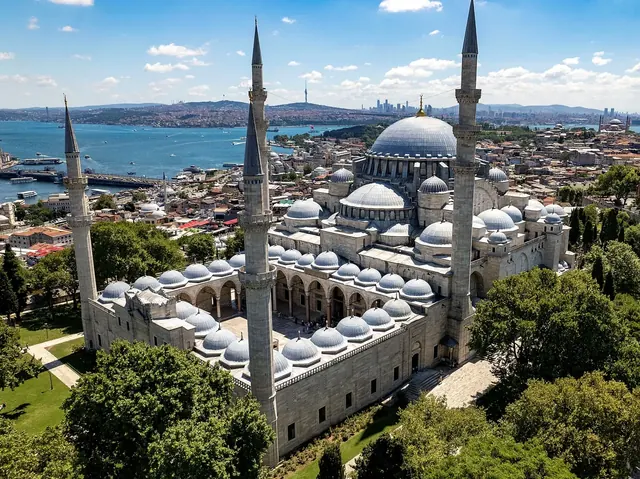
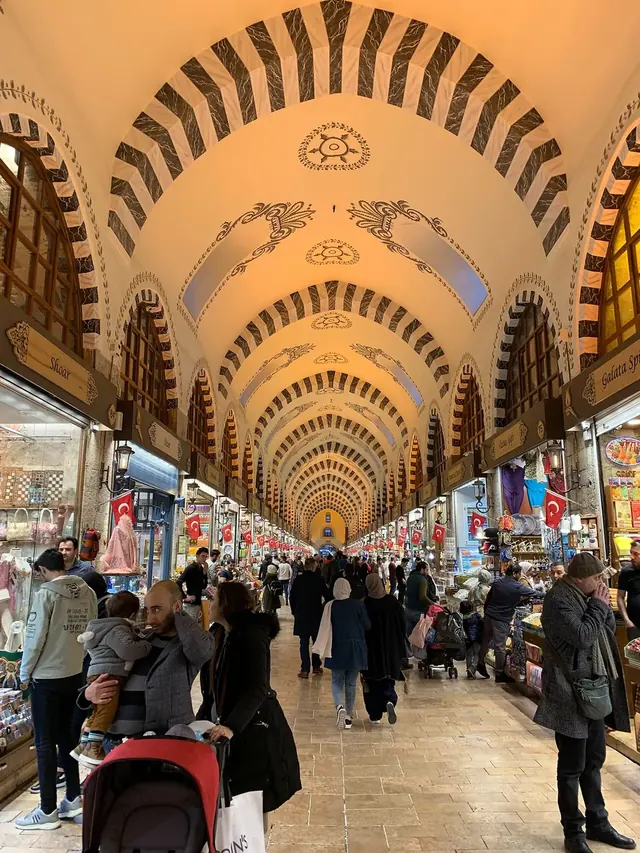
Half portions are usually possible, bread arrives unasked and service is quick. Lunchtime is best, as popular pots can run out by late afternoon. The side streets around the Spice Bazaar, the Grand Bazaar and the area near Süleymaniye Mosque are full of them.
Turkish breakfast, a meal worth slowing down for
Weekend breakfast in Turkey is a long affair. A serpme kahvaltı (spread breakfast) covers the table with small plates: white cheese, kaşar, olives, tomatoes, cucumbers, honey with clotted cream (kaymak), jams, butter and eggs. Add menemen (eggs scrambled with tomato and pepper), eggs with sucuk, a warm simit and endless glasses of tea.
Where to look, area by area
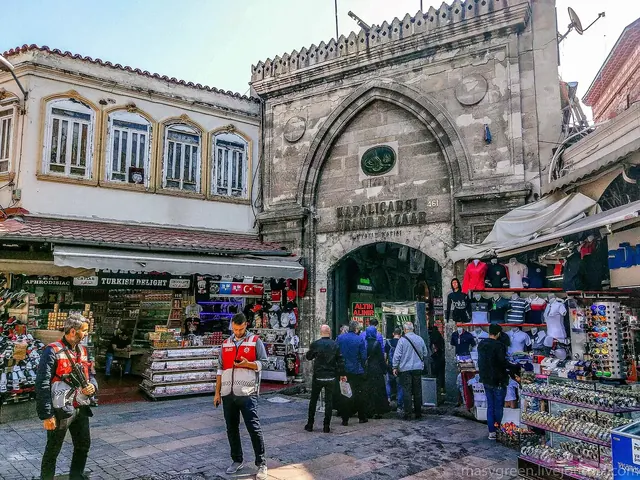
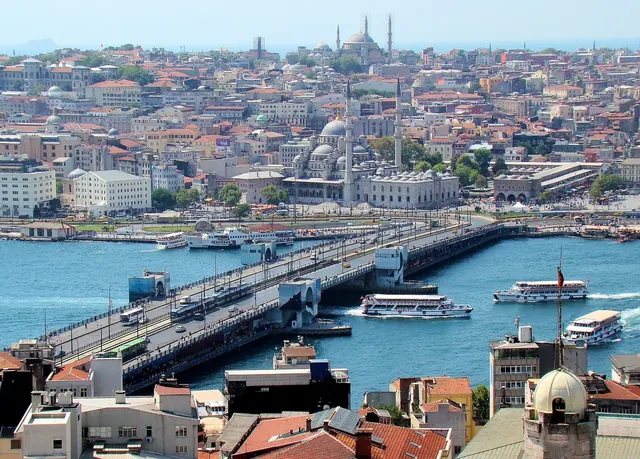
- Eminönü and Tahtakale: canteens, köfte houses and fish sandwiches by the Galata Bridge. See our street food guide for more.
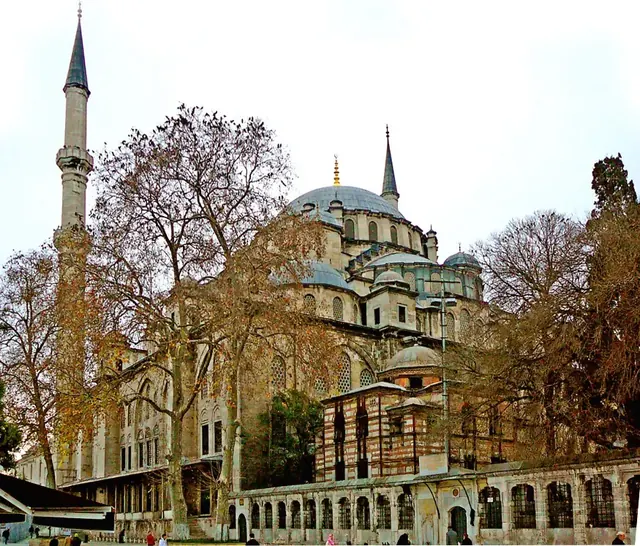
- Fatih: simple restaurants around Fatih Mosque serving southeastern and Black Sea regional food.
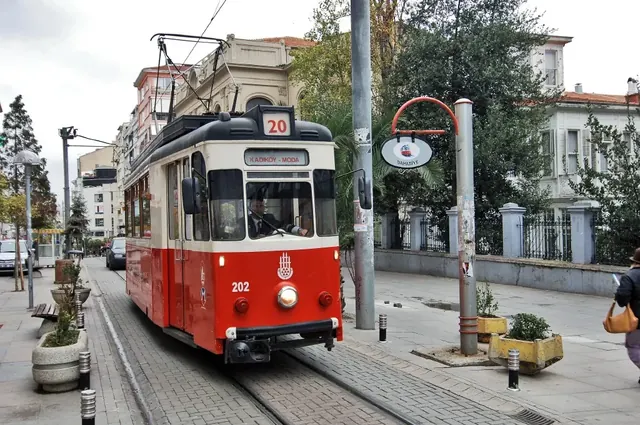
- Kadıköy: delis, pickle shops and home cooking in the market streets that lead down towards Moda seafront.
- Sultanahmet: walk a street or two away from the main square and the restaurants quickly become more local. Save room for our Turkish desserts guide.
Frequently asked questions
Is the meat in Istanbul restaurants halal?
The vast majority of Turkish restaurants use halal meat and pork is not served in ordinary eateries. If you are strict, simply ask about cured meats such as sucuk.
What can vegetarians eat in Istanbul?
Olive-oil vegetable dishes, lentil soup, cheese pide, gözleme, menemen, meat-free çiğ köfte and vegetable stews. Some vegetable dishes use meat stock, so it is worth asking.
How do I order at a tradesmen's canteen?
Point at the dishes in the display and ask for a full or half portion. You usually pay at the till on the way out.
How spicy is Turkish food?
Most dishes are mildly seasoned. Adana kebab and some southeastern dishes are hot; order Urfa kebab or say acısız (not spicy) if you prefer mild food.