From 330 to 1453, for more than 1,100 years, Istanbul was Constantinople, capital of the Byzantine Empire. This route brings together what survives of that capital in roughly chronological order: day one around Sultanahmet and Küçük Ayasofya, where the Great Palace stood, and day two out toward the Golden Horn and the land walls.
On this page6
Why start in Küçük Ayasofya?
The Great Palace of the Byzantine emperors spread in terraces down the slope from beneath today's Blue Mosque to the Marmara shore. Walk the lanes of Küçük Ayasofya today and you are walking over the palace's lower terraces and sea gates. Starting from the streets around our hotel is no accident: this is as close to the heart of Constantinople as you can get.
The route is split into two days. Day one is entirely on foot and tells the story of the imperial centre and the age of Justinian in the 6th century. Day two needs public transport or a taxi and follows the city's water system, the churches of the Komnenian and Palaiologan eras and, finally, the land walls that fell in 1453.
A capital of 1,100 years at a glance
- 330: Constantine inaugurates Byzantion as his new capital; the column of his forum still stands as the Column of Constantine.
- Early 5th century: the land walls are built under Theodosius II and protect the city for about a thousand years.
- 532 to 537: the Nika riots burn the centre; Justinian rebuilds Hagia Sophia, Hagia Irene and the Basilica Cistern.
- 12th century: the Komnenos dynasty founds the Pantokrator Monastery, today's Zeyrek Mosque.
- 1204 to 1261: the Fourth Crusade sacks the city; after Latin rule, the Byzantines retake their capital.
- Early 14th century: the Palaiologan renaissance, which produced the mosaics and frescoes of Chora.
- 1453: the siege by Mehmed II ends the empire; many churches survive to this day because they were converted into mosques.
Day 1: from the Great Palace to Constantine's forum
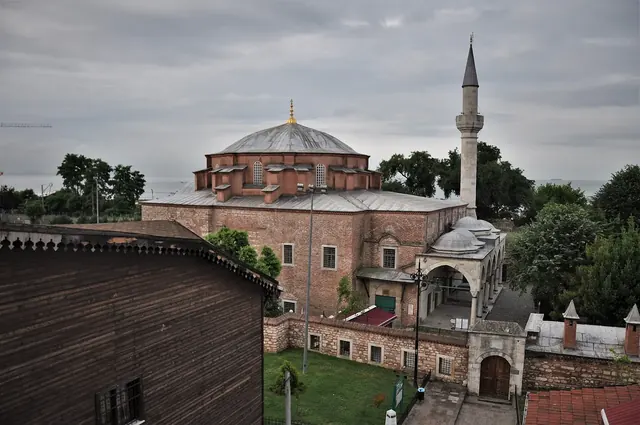
- Little Hagia Sophia: the Church of Saints Sergius and Bacchus, built in 527 to 536 beside the palace where Justinian lived before he became emperor. Its octagonal plan and dome are often described as a small-scale rehearsal for Hagia Sophia.
- Walk down to Kennedy Avenue for the ruins of the Bukoleon Palace, the Great Palace's sea facade with its marble window frames. The Marmara sea walls keep you company along the way.
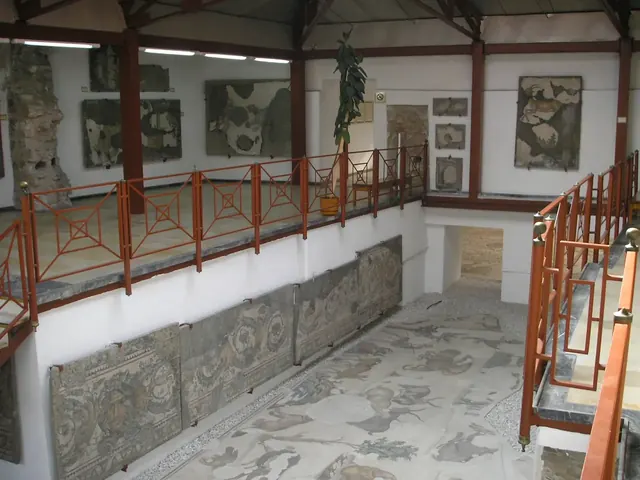
- Climb up to the Arasta Bazaar and visit the Great Palace Mosaic Museum. The floor mosaics of a palace courtyard, dated to the 5th or 6th century, are full of hunting scenes and mythological figures.
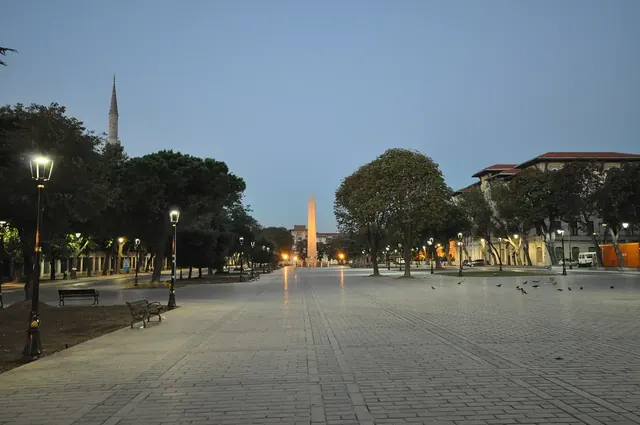
- The Hippodrome: on the marble base of the Egyptian obelisk, look for the reliefs of Theodosius I and his family watching the races from the imperial box. The Serpent Column and the Walled Obelisk, restored in the 10th century, stand on the same axis.
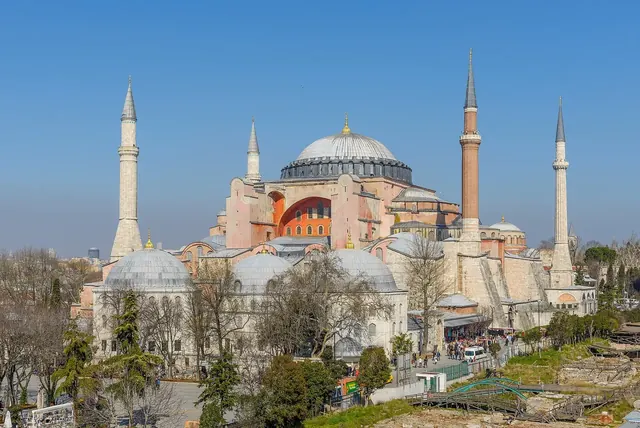
- Hagia Sophia: in the gallery, the Deesis mosaic, the portraits of emperors and empresses and traces of the empress's own section. For more than 900 years this was the largest church in Christendom.
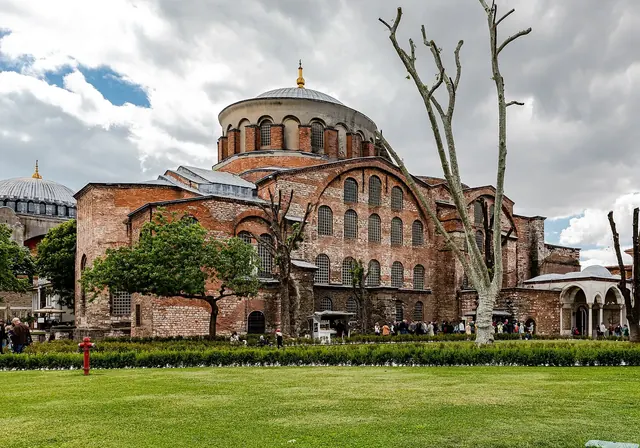
- Hagia Irene: in Topkapı's first courtyard, one of the few major Byzantine churches in Istanbul never converted into a mosque. The large cross in its apse reflects the austere decoration of the Iconoclast period. Entry is ticketed.
- Afternoon: after the Basilica Cistern, head to the Cistern of Philoxenos (Binbirdirek) west of the Hippodrome, then finish the day beside the Column of Constantine, the last remnant of his forum, on Divanyolu.
Day 2: from the aqueduct to the land walls
Day two shows that Byzantium was not only palaces and churches but an engineering power: a water system that brought supplies from far beyond the city, monasteries on the hills above the Golden Horn and, finally, the empire's last line of defence. Distances are longer, so use the T1 tram, buses or taxis between stops.
- Morning: the Aqueduct of Valens. Completed in the 4th century, it carried water across the valley between two hills into the city centre; a boulevard now runs beneath its arches.
- On the hill north of the aqueduct, Zeyrek Mosque: the linked churches of the 12th-century Pantokrator Monastery, burial chapel of the Komnenos dynasty. The timber-house lanes of Zeyrek are worth a wander too.
- Midday: take a taxi or bus to Edirnekapı and visit Chora (Kariye) Mosque. Its early 14th-century mosaics and frescoes, commissioned by the statesman Theodore Metochites, are the last great blaze of Byzantine art. It has been a mosque since 2020; check visiting conditions before you go.
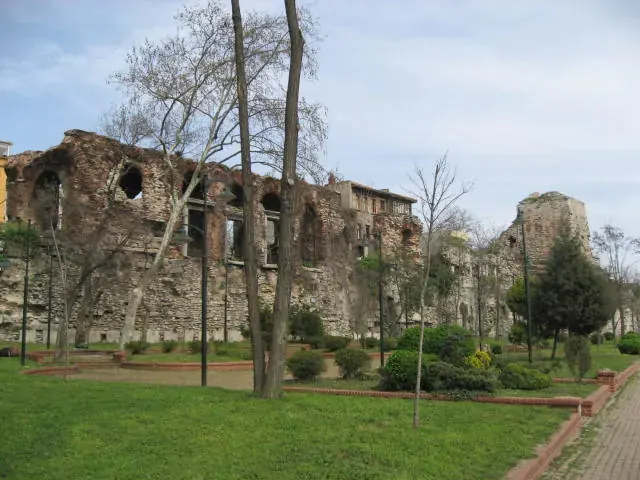
- Afternoon: walk along the walls to the Tekfur Palace, the only major surviving building of the Blachernae palace complex, now open as a museum.
- End the day on a stretch of the Theodosian Land Walls, studying the layered defence of moat, outer wall and inner wall. According to tradition, Mehmed II entered the city through Edirnekapı. If time allows, stop on your way down to Fener at the mosaic-filled side chapel of the Pammakaristos Church, today's Fethiye Mosque.
How to read Byzantium in the street
- Brick and stone bands: alternating courses of brick and cut stone are the signature of Byzantine masonry, visible everywhere from the walls to church facades.
- Spolia: column capitals and marble blocks in Ottoman buildings are often reused Byzantine pieces. The Medusa heads in the Basilica Cistern are the most famous example; see our cisterns guide.
- Monograms: interlaced letters on column capitals spell out the name of the patron. Look for them at Little Hagia Sophia and in the Basilica Cistern.
- Ground levels: Byzantine street level lies several metres below today's. That is why you so often walk down stairs to reach a ruin.
Practical notes
- Hagia Sophia, Chora, Zeyrek and Fethiye are working mosques; visits are not possible during prayer times, especially at Friday noon.
- Some Byzantine sites close from time to time for restoration, so check the current status before day two.
- You can merge day two with the Golden Horn day of our five-day itinerary and continue into Balat and Fener.
Frequently asked questions
How many days do I need for Byzantine Istanbul?
The imperial centre around Sultanahmet can be seen on foot in one day. Allow a second day to add Chora, Zeyrek and the land walls.
Can I still see the mosaics in Hagia Sophia and Chora?
Yes, but both are mosques and arrangements are made around worship. At Hagia Sophia foreign visitors tour the upper gallery, and visiting conditions at Chora may change. Check the current situation before you go.
Is any Byzantine church open as a church-museum?
Hagia Irene is one of the rare major Byzantine churches that was never converted into a mosque and can be visited as a museum. The mosaic side chapel of Fethiye Mosque is also open as a museum section.
Is this route good for children?
The animals in the Mosaic Museum, the cisterns and the walls usually capture children's imagination. On day two distances are long, so taxis reduce fatigue.