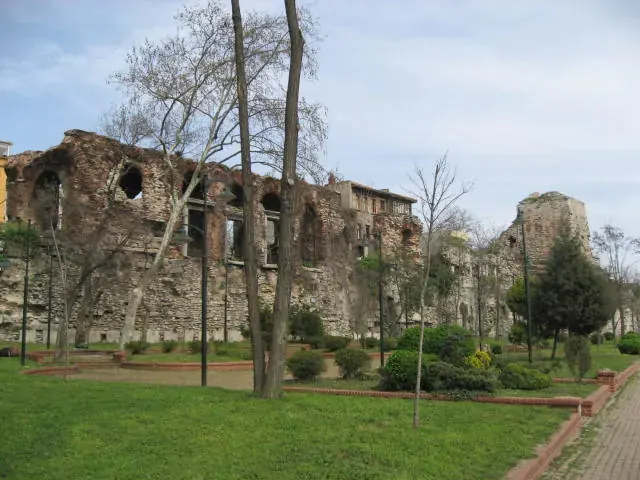
The Bukoleon Palace was the seaward façade of the Byzantine emperors' Great Palace, and its surviving wall — with large marble-framed windows set into the Marmara sea walls — still stands beside Kennedy Avenue. It takes its name from a sculpture of a bull and a lion that once guarded the palace's private harbour. After a morning in crowded museums, it is a rare chance to feel Byzantine grandeur in the open air, with the smell of the sea around you.
On this page5
A palace named after a bull and a lion
“Bukoleon” combines the Greek words for bull (bous) and lion (leon). Byzantine writers describe a marble group of a lion attacking a bull that stood in the small harbour in front of the palace. From here emperors boarded boats for summer residences on the Bosphorus or for ceremonies, and foreign envoys were sometimes received from the water.
The first phase is usually dated to the 5th century under Theodosius II. In the 9th century Emperor Theophilos enlarged it, and in the 10th century Nikephoros II Phokas enclosed the area with walls, turning the palace's seaward wing into a citadel. In a twist of fate, Nikephoros was murdered here in 969 by conspirators around his nephew John Tzimiskes. Knights of the Fourth Crusade seized and plundered the Bukoleon in 1204, and once later emperors moved to the Blachernae Palace on the Golden Horn, the building slowly fell into ruin.
A façade locked into the sea walls
What survives is a long stretch of wall built into the sea defences. You can make out tall window openings with marble frames and the corbels that are thought to have carried a balcony over the water. Behind the wall, vaulted substructures of the palace climb back up the slope.
The sea was once the palace's stage. The railway laid in the late 19th century sliced through the grounds behind it, and Kennedy Avenue, built on reclaimed land in the 1950s, pushed the shoreline away from the walls. Today traffic rather than waves rushes past the windows — yet with a little imagination you can picture emperors gazing from them across the Marmara to the Princes' Islands and the Asian shore.
Excavation and restoration: a site in transition
In recent years the site has been the focus of major excavation and restoration work, with the aim of turning the ruins and their surroundings into a visitable open-air archaeological area. Depending on progress, parts may be fenced off or opened in stages, so check official sources for the current situation before you go. The façade itself can always be seen clearly from the promenade and the pavement.
Making sense of the Bukoleon
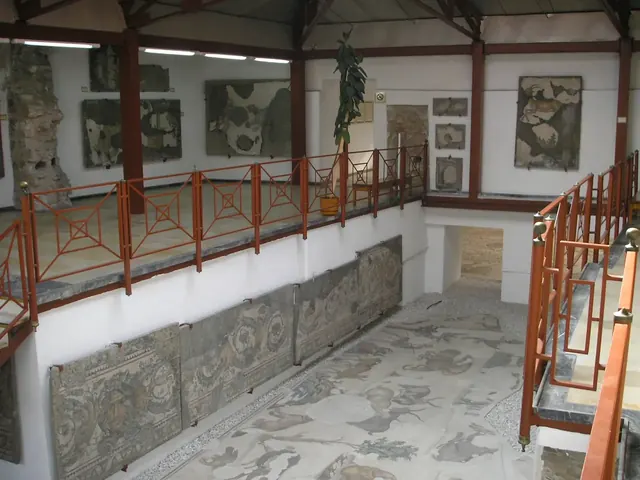
- See the palace floors: the Great Palace Mosaic Museum displays 5th–6th-century mosaics lifted from the courtyards of the same palace complex.
- Follow the walls: the Bukoleon is the showpiece of the Marmara sea walls; walk east and you reach Ahırkapı.
- Look for Çatladıkapı: the remains of an old sea gate a little west of the palace show just how many layers these walls hold.
- Make a day of it: our Byzantine Istanbul route links the Bukoleon with Hagia Sophia and the cisterns.
Getting there from Sareban Hotel
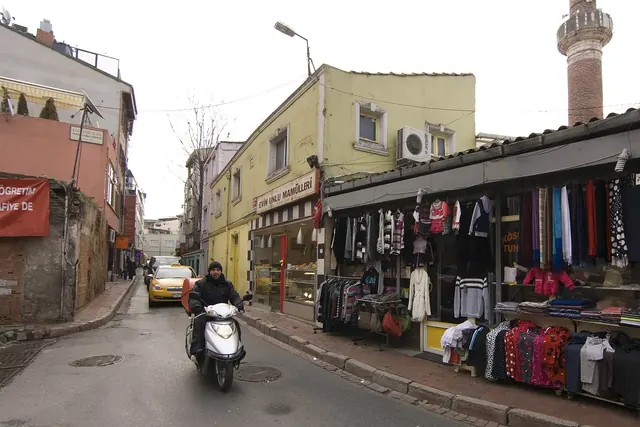
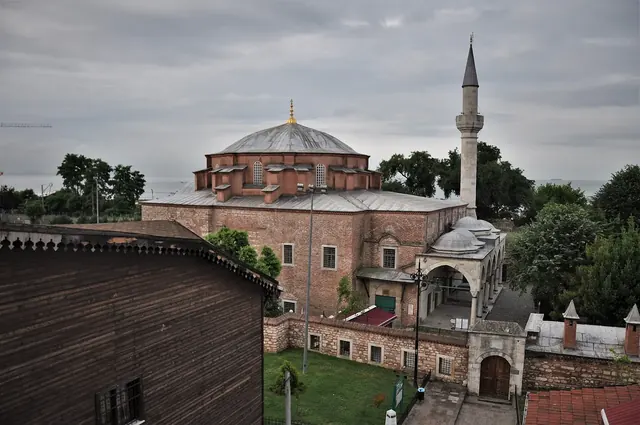
From the hotel, walk past Little Hagia Sophia, cross the railway line and come out on Kennedy Avenue, then follow the promenade east — after a few minutes the windowed façade appears on your left. Continue to the Ahırkapı Lighthouse and loop back uphill through the lanes of Cankurtaran and Ahırkapı.
Frequently asked questions
Can you go inside the Bukoleon Palace?
Most of what survives is seen from outside, along the promenade. Depending on ongoing excavation and restoration, some areas may open to visitors from time to time; check official sources for the latest.
What does Bukoleon mean?
It comes from the Greek words for bull and lion, after a sculpture of a lion attacking a bull that stood in the palace harbour.
Is the Bukoleon the same as the Great Palace?
It was the seaside section of the vast Great Palace, which descended in terraces from Sultanahmet to the shore. Another surviving trace of the palace is the floor mosaics in the Mosaic Museum.
Is it safe to visit with children?
The pavement and seaside park are fine, but the main road is very fast. Hold children's hands on the road side and use only controlled crossings.