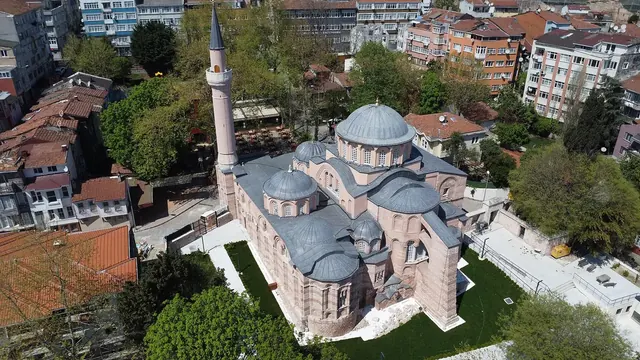
The Chora Church, now Kariye Mosque, holds one of the finest ensembles of late Byzantine art anywhere: mosaics and frescoes commissioned in the early 1300s by the statesman Theodore Metochites. It stands just inside the land walls near Edirnekapı, reopened as a mosque in 2024, and the mosaic-covered areas can be seen under a separate visitor arrangement.
On this page5
A church “in the country”
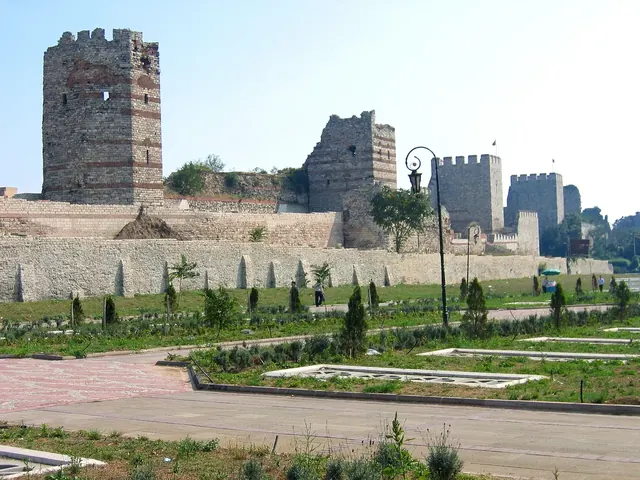
Chora means countryside in Greek: the first monastery here lay outside Constantine's walls. When the Theodosian walls were built in the 5th century the site ended up inside the city, but the name stuck. The mosaic inscriptions play on the word, calling Christ the dwelling place of the living and the Virgin the container of the uncontainable.
The core of the present church is 11th–12th century, from the Komnenian era. Its glory came between 1315 and 1321, when Theodore Metochites, finance minister to Andronikos II and one of the great scholars of his day, added the inner and outer narthexes and a side chapel (the parekklesion), covering them in gold-ground mosaics and vivid frescoes. Metochites fell from power in 1328, went into exile, and eventually returned to die as a monk in his own monastery.
Mosque, museum and mosque again
Around the early 1500s, Atik Ali Pasha, grand vizier to Bayezid II, converted the church into a mosque and added a minaret. Many mosaics survived behind plaster or wooden screens. The building became a museum in 1945, and a major restoration between 1948 and 1958 revealed the mosaics and frescoes that made it world-famous.
Following a 2020 decision, Kariye was converted back into a mosque and opened for prayer in May 2024. Like Hagia Sophia, it now lives a double life: the main hall is a place of worship, while the narthexes and side chapel remain a treasury of Byzantine art.
Highlights of the mosaics and frescoes
- Metochites' donor portrait: above the door into the nave in the inner narthex. Wearing a huge striped hat, he offers a model of the church to the enthroned Christ.
- The Deesis: in the inner narthex, Christ and the Virgin with two donors, a Komnenian prince and a nun called Melane.
- Life of the Virgin: an unusually complete cycle based on apocryphal texts, from her first steps to her presentation in the Temple.
- Infancy and miracles of Christ: in the outer narthex, including the journey to Bethlehem, the census and the flight into Egypt.
- The Anastasis: in the side chapel, Christ pulling Adam and Eve from their tombs, perhaps the most famous image of late Byzantine painting, with the Last Judgment on the vault nearby.
How visiting works now
Kariye is first of all a mosque, so the prayer hall is reserved for worship at prayer times. The narthexes and the side chapel, where most of the mosaics and frescoes are, can be visited outside prayer times through a separate visitor route. Some figurative images in the prayer hall may be covered by curtains or lighting during worship.
Ticketing for foreign visitors, the entrance used and visiting hours have changed since reopening and may change again, so check official sources shortly before you go. Our reception team is happy to help you find the latest information.
Getting there from Sareban Hotel
Chora sits at the far end of the historic peninsula from the hotel, so a taxi is the simplest option. By public transport, take the T1 tram to Aksaray or Topkapı and change for Edirnekapı, or catch one of the buses from Eminönü that run along Fevzipaşa Avenue to Edirnekapı.
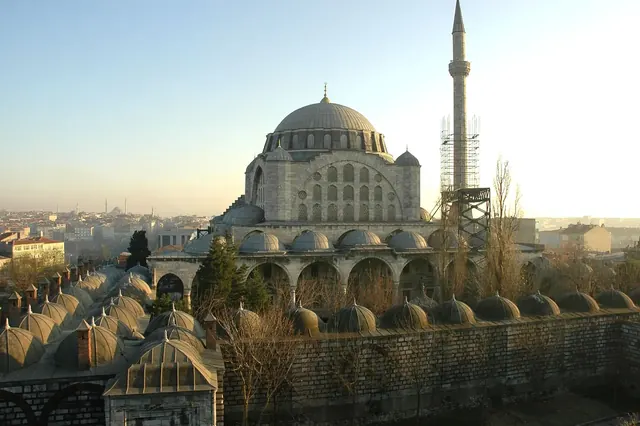
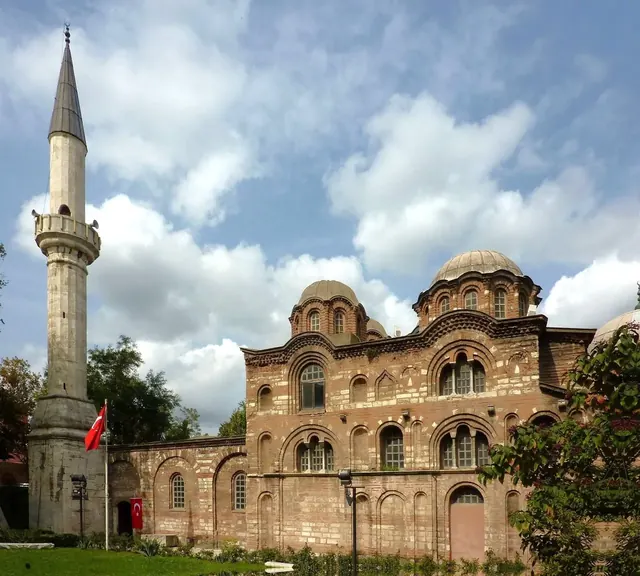
A lovely alternative is the Golden Horn ferry from Eminönü to Balat, followed by an uphill walk past the Pammakaristos Church and the Palace of the Porphyrogenitus. Nearby, the Mihrimah Sultan Mosque and the Theodosian Walls round out a half-day.
Frequently asked questions
Is Chora a mosque or a museum today?
It is a mosque. It was converted by a 2020 decision and opened for worship in May 2024. The mosaic areas can be visited outside prayer times under a separate arrangement.
Can I still see the mosaics?
Yes. The narthex mosaics and side-chapel frescoes are part of the visitor route, though some images in the prayer hall may be covered during worship. Check current arrangements before visiting.
How long should I spend at Chora?
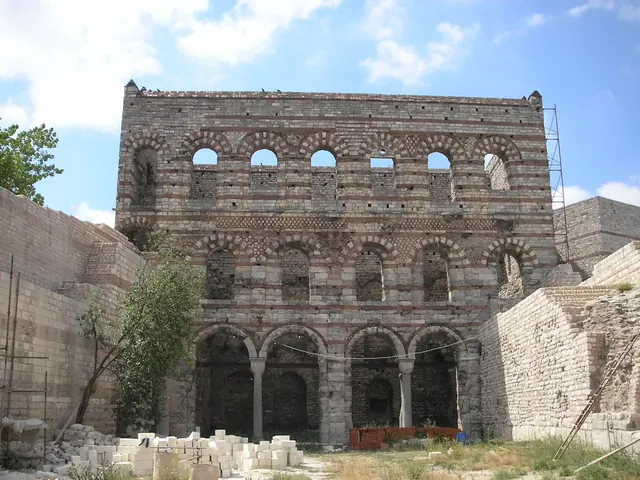
At least an hour for the mosaics; half a day if you add the land walls, Tekfur Palace and the Mihrimah Sultan Mosque.
Is it worth it if I have already seen Hagia Sophia?
Absolutely. Hagia Sophia shows 6th-century monumental architecture; Chora offers the most detailed storytelling in 14th-century Byzantine art, at an intimate scale.