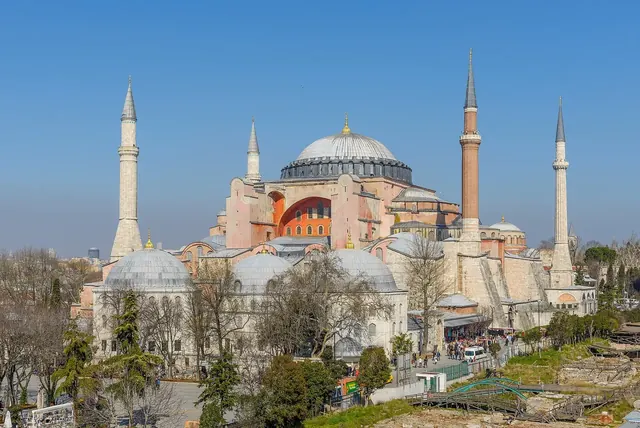
Three days is the minimum to see that Istanbul is far more than Sultanahmet. Day one covers the monuments of the historic peninsula, day two crosses from the bazaars over the Galata Bridge to Galata Tower, and day three is a Bosphorus day that takes you from Dolmabahçe Palace by public ferry to Üsküdar on the Asian shore.
On this page6
The idea: every day starts on a hill and ends by the water
Istanbul's character lies in the dialogue between its hills and its waters, so each day here begins high and finishes on a shore: from Sultanahmet hill down to the Sea of Marmara, from Beyazıt hill down to the Golden Horn and across to Galata, and on the last day along both banks of the Bosphorus. You walk mostly downhill and end every evening looking at the sea.
Compared with our two-day itinerary, this plan compresses the historic peninsula into a day and a half and spends the time saved across the Golden Horn and on the Bosphorus. With five days, our five-day itinerary extends the same skeleton with Fener-Balat and a longer Asian-side day.
Fitting the days into your week
- Day 1 should not fall on Topkapı Palace's weekly closing day (for many years a Tuesday).
- Day 2 should not fall on a Sunday, when the Grand Bazaar is closed.
- Day 3: check Dolmabahçe Palace's weekly closing day, as palace-museum schedules occasionally change.
- Whichever day is a Friday, fill the midday prayer slot with a non-mosque stop such as a bazaar, museum, lunch or ferry ride.
- If rain is forecast, move the Bosphorus day to the clearest date; the other two days have plenty of indoor sights.
Day 1: the monuments of Sultanahmet and an evening on the Marmara shore
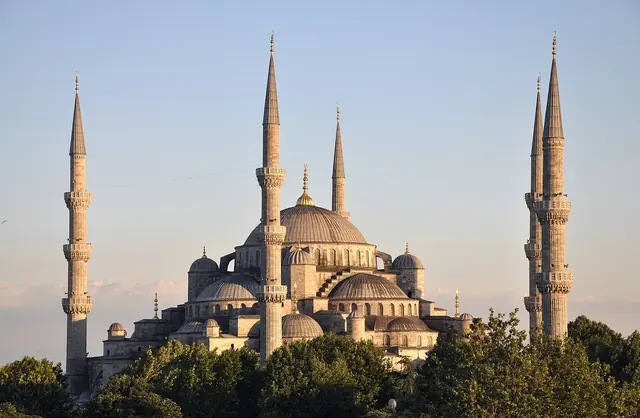
- Morning: begin with Hagia Sophia, then cross the Hippodrome to the Blue Mosque. The goal is to finish both before the late-morning crowds peak.
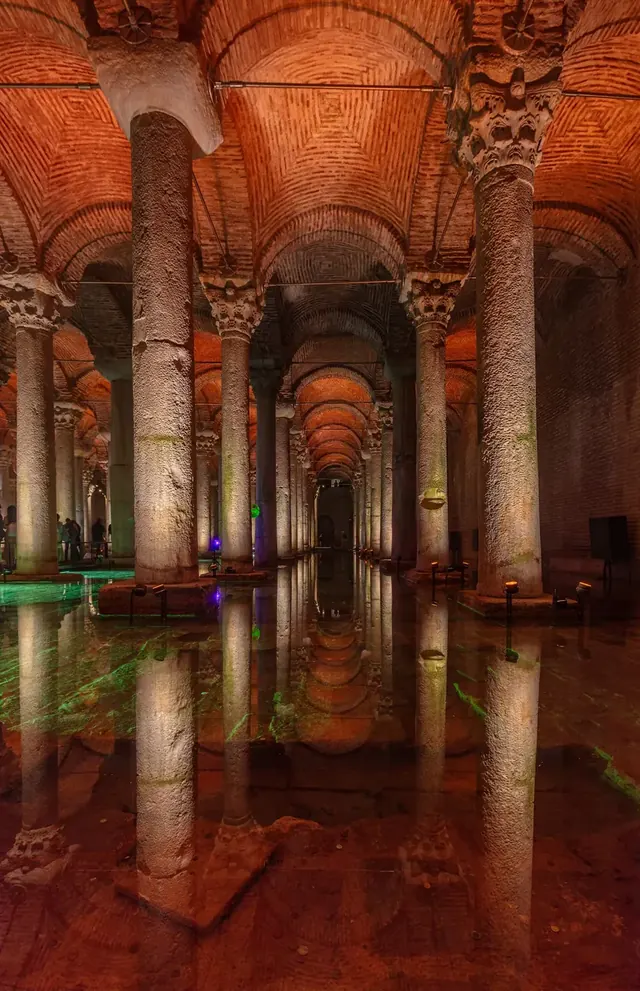
- Midday: cool off in the Basilica Cistern and have lunch near the square.
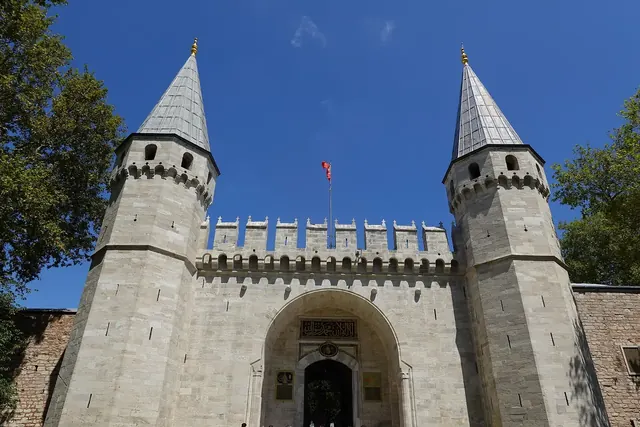
- Afternoon: give Topkapı Palace at least three hours. Do not skip the Harem; that is where the texture of palace life really comes through.
- Evening: leave the palace, drop down through the steep lanes of Cankurtaran to the Marmara shore and follow the seaside path back toward Küçük Ayasofya, past the Byzantine sea walls. It is a calm, breezy way to end a monument-heavy day.
Day 2: from the Grand Bazaar to Galata Tower
This is the day you cross the Golden Horn on foot, and your step count will show it. Rather than a heavy lunch, graze on small street snacks spread through the day.
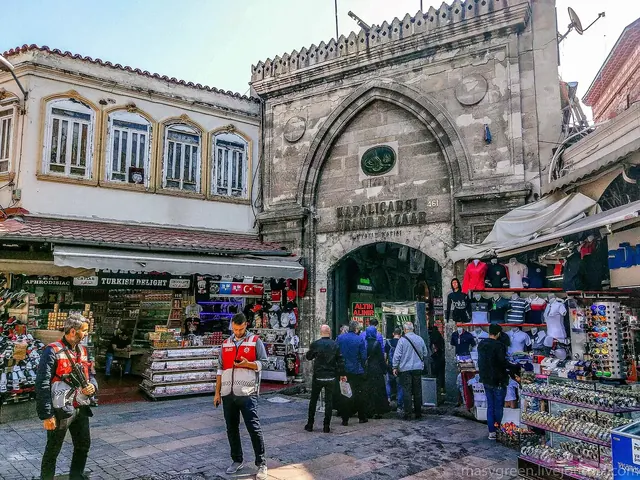
- Morning: explore the Grand Bazaar early, before the lanes fill. Exit north and walk to Süleymaniye Mosque; from its courtyard you can see across the Golden Horn to Galata, which is where you are heading next.
- Midday: walk downhill to the Spice Bazaar. Browse the spices, Turkish delight and dried fruit, and eat light: a fish sandwich by the water, a sesame simit or roasted corn.
- Afternoon: cross the Galata Bridge on foot, looking back from the lower level at the Süleymaniye skyline. From Karaköy, climb the steep streets and stairways to Galata Tower. Expect a queue; mid-afternoon tends to be the busiest time.
- Evening: come down to the Karaköy waterfront and the Galataport promenade. The T1 tram from Karaköy crosses the bridge and takes you straight back to Sultanahmet.
Day 3: Dolmabahçe, then by ferry to Asia
The backbone of day three is the public ferry, the cheapest and most authentic way to understand Istanbul. If you prefer a full cruise, swap this day for one of the options in our Bosphorus cruise guide.
- Morning: ride the T1 tram to its last stop, Kabataş, and visit Dolmabahçe Palace. Built on the Bosphorus shore in the 19th century, it tells a completely different, European-influenced story from Topkapı. The room where Atatürk spent his final days is here.
- Midday: walk along the shore to Beşiktaş and have lunch near the pier.
- Afternoon: take the ferry from Beşiktaş to Üsküdar. By the pier stands Mimar Sinan's Mihrimah Sultan Mosque; from there, stroll south along the waterfront.
- Sunset: at Salacak, with Maiden's Tower in front of you and the domes of Topkapı, Hagia Sophia and the Blue Mosque across the water, you get the finest view of the historic peninsula, which is best seen from the opposite shore.
- Return: ferry from Üsküdar to Eminönü, then the T1 to Sultanahmet. One Istanbulkart covers ferry and tram; details in our Istanbulkart guide.
Plan B when things change
- On a rainy day, swap day two's open-air stretch for the Archaeology Museums or the Museum of Turkish and Islamic Arts; more ideas in our rainy-day guide.
- If the Galata Tower queue is very long, the view from the Süleymaniye courtyard or the Galata Bridge is a satisfying substitute.
- If Dolmabahçe is closed, spend the morning at the Naval Museum in Beşiktaş or in Yıldız Park.
- On an evening when you are simply worn out, ending the day on the hotel's sea-view roof terrace is a perfectly good plan.
Frequently asked questions
Are three days enough for Istanbul?
For a first visit, three days is well balanced. You see the main monuments of the historic peninsula, Galata and both shores of the Bosphorus. Fener-Balat, Chora and the Princes' Islands are left for days four and five.
Should I do a Bosphorus cruise on a three-day trip?
This plan gives you the Bosphorus on regular commuter ferries over a short stretch. If you want to sail north toward Rumeli Fortress, use the morning of day three for a cruise and skip Dolmabahçe.
Which day should I visit Galata Tower?
Day two, because crossing the Golden Horn on foot makes the tower a natural next step. Weekdays and early or late visits are usually less crowded.
Is it difficult to get to the Asian side?
Not at all. Ferries run frequently from Eminönü, Karaköy, Kabataş and Beşiktaş to Üsküdar and Kadıköy. The crossing is short and offers some of the city's best views.