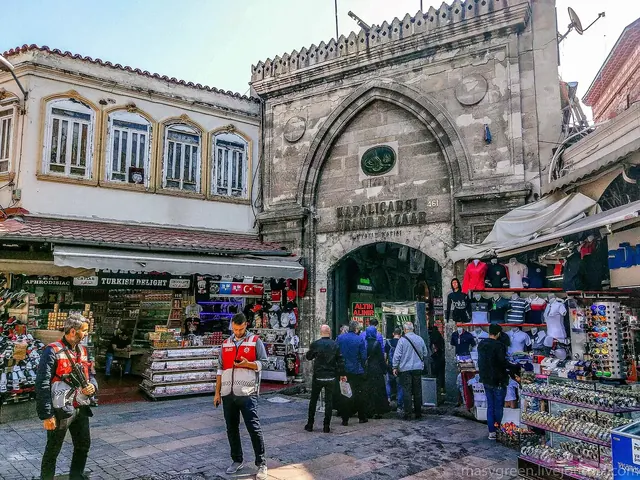
The Grand Bazaar (Kapalıçarşı) is one of the oldest and largest covered markets in the world. Stretching between Beyazıt and Nuruosmaniye, it has traded continuously since the 15th century. With its domed treasure halls, courtyard inns and streets still named after the guilds that once worked them, it feels less like a mall and more like a roofed Ottoman neighbourhood. It is worth visiting for the architecture and atmosphere alone, even if you buy nothing.
On this page6
From a single strongroom to a city under one roof
The bazaar grew from the Cevahir Bedesten (the Inner or Old Bedesten), a domed, thick-walled hall that Sultan Mehmed II built soon after the conquest of Constantinople. Behind its iron doors merchants stored silks, jewels and weapons, and the rents it produced funded the religious foundation of Hagia Sophia. A second hall, the Sandal Bedesten, was added later.
Shops, inns and lanes gradually filled the spaces between the two halls, and once these were vaulted over, the maze you walk today took shape. Each street belonged to a guild, which is why you still pass signs for the cap makers, quilt makers and slipper makers. Fires struck repeatedly, and the earthquake of 1894 caused severe damage, followed by a major restoration. Sources commonly put today's total at more than 60 streets and several thousand shops.
Look up: vaults, gateways and caravan inns
Most visitors keep their eyes on the shop windows and miss the building itself. Notice the painted vaults over the main streets, the solid stone arches of the bedestens and the imperial monograms and inscriptions above the gates. The Nuruosmaniye and Beyazıt gates are the grandest ways in.
Around the edges stand the hans, courtyard inns where caravans once unloaded and craftsmen worked. Small courtyards such as the Zincirli Han offer a quiet pause from the crowds, and in some of them silversmiths, coppersmiths and jewellers still work at their benches.
What to see
- Cevahir Bedesten: The oldest core, where antiques, silverware and old clocks cluster.
- Kalpakçılar Caddesi: The main jewellers' street linking the Beyazıt and Nuruosmaniye gates.
- Sandal Bedesten: A broad, multi-domed hall said to take its name from a fine silk fabric once sold here.
- The hans: Courtyard inns on the outer ring with workshops and historic stonework.
- Guild street signs: Reading the old trade names is the easiest way to picture how the bazaar was organised.
How to bargain without stress
Haggling is still normal in the Grand Bazaar, though not every shop works the same way. Ask in a few places before you commit, take your time and keep the conversation friendly. It is considered bad form to bargain hard for something you have no intention of buying, or to walk away once a price has been agreed.
Carpets, kilims, ceramics, mosaic lamps, textiles and jewellery are the classic buys. For anything valuable, ask for a proper receipt and do not hesitate to ask whether an item is handmade. Our guide to what to buy in Istanbul has gift ideas, and our travel safety tips cover the common tourist traps.
Getting there from Sareban Hotel
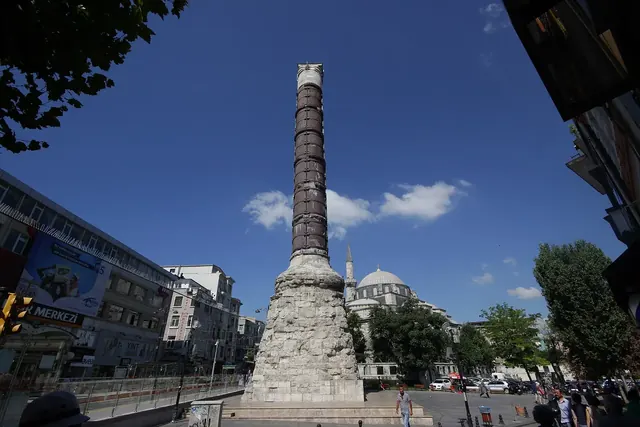
From our hotel in Küçük Ayasofya, walk uphill to Sultanahmet Square and follow Divanyolu Caddesi west to the Column of Constantine at Çemberlitaş. A side street on your right leads straight to the Nuruosmaniye Gate. If you would rather ride, take the T1 tram from Sultanahmet and get off at Çemberlitaş or Beyazıt-Kapalıçarşı. The walk back is mostly downhill.
Nearby after the bazaar
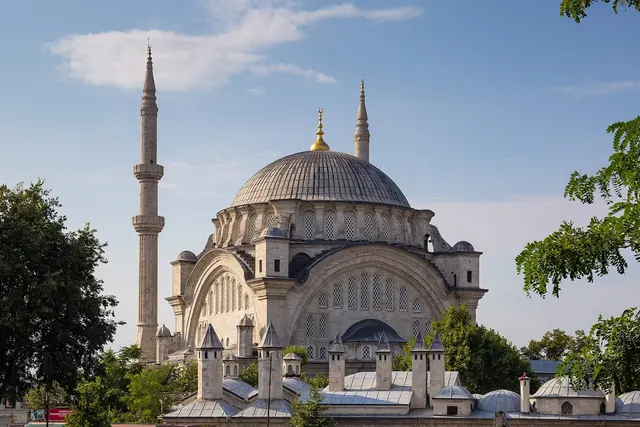
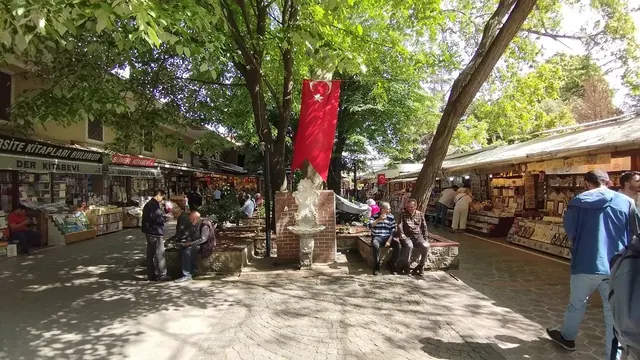
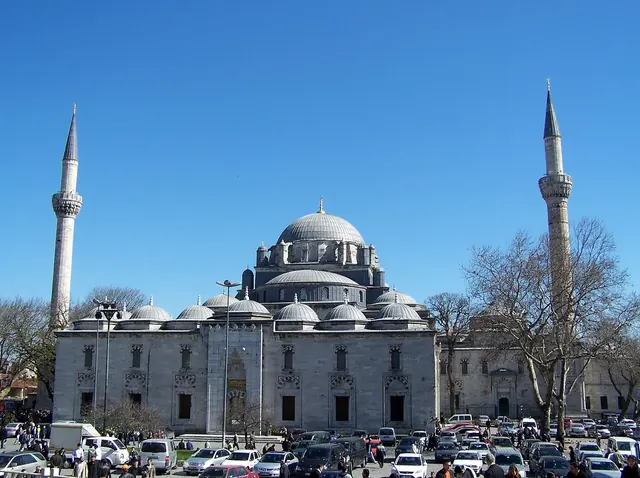
Leave by the Nuruosmaniye Gate and the baroque Nuruosmaniye Mosque is right in front of you. The Beyazıt Gate brings you out by the Sahaflar book bazaar and Beyazıt Mosque. For a longer loop, follow the busy Mahmutpaşa slope down towards the Golden Horn to reach the Spice Bazaar and see where locals do their everyday shopping.
Frequently asked questions
Is there an entrance fee for the Grand Bazaar?
No. Entry is free; you only pay for what you buy.
When is the Grand Bazaar closed?
It is generally closed on Sundays and on the first days of the Ramadan and Sacrifice holidays (Eid). Hours can change, so check the latest information before your visit.
How much time do I need?
A quick look at the main streets and the bedestens takes about an hour. If you plan to shop or explore the hans, allow two to three hours.
Is the Grand Bazaar suitable for children?
Yes, but keep small children close during busy hours. Weekday mornings are the most relaxed time for families.