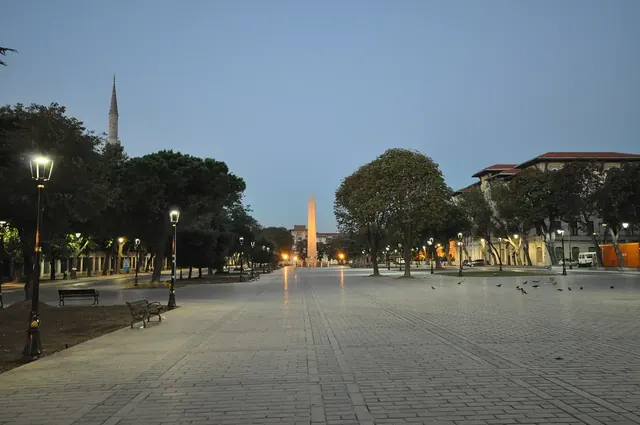
Istanbul welcomes millions of visitors and is generally a safe city; violent crime against tourists is rare. What travellers actually run into are small, repeated tricks in tourist areas and pickpockets working the crowds. We have gathered what our guests have told us over the years in Sultanahmet into this calm, practical guide. The aim is not to worry you, just to help you arrive prepared.
On this page7
Taxis: meter, app and banknotes
Taxis are the most common source of tourist complaints. Most drivers are honest, but a few simple habits keep you clear of trouble.
- Make sure the meter is on: Check the meter is running before the car moves. If a driver offers a fixed fare, politely decline and take another taxi.
- Use official taxi-hailing apps: Istanbul has widely used, official apps for calling licensed taxis, and the trip record gives you extra peace of mind.
- Follow the route: Keeping a map app open on your phone makes unnecessary detours easy to spot.
- Note the plate: Photograph the licence plate before getting in; it also helps if you leave something behind.
- Watch your banknotes: Some Turkish notes look alike in colour. Say the value of the note out loud as you hand it over and count your change inside the car; it is the best defence against a 'you gave me the wrong note' claim.
- Arriving from the airport: Plan your transfer in advance so you're not negotiating after a long flight. See our airport to Sultanahmet guide and the paid, on-request transfer service our hotel offers.
Classic street tricks
- The shoe-shine brush: A shoe-shiner walking ahead of you 'accidentally' drops his brush. When you kindly hand it back, he offers a free shine as thanks, then asks for a steep fee when he's done. You don't have to pick the brush up; if you do, just say thanks and keep walking.
- 'The mosque is closed right now': Near the Blue Mosque or Hagia Sophia, someone may tell you the mosque is closed and suggest visiting a relative's shop while you wait. Visits do pause briefly at prayer times, but check with the attendant at the door. Our mosque etiquette guide explains prayer-time closures.
- Unofficial guides: In squares such as the Hippodrome, people may introduce themselves as guides and offer tours. Licensed tourist guides carry an official ID card; ask to see it, or book your tour in advance through a trusted channel.
- Overly friendly new friends: Occasionally a long, pleasant chat ends with an invitation to 'a great place I know' and a shockingly high bill. Choose your own venue rather than one suggested by a stranger.
- Street ticket sellers: Don't buy 'skip-the-line' tickets from unofficial sellers. Our museum pass guide covers the official channels.
Changing money and using ATMs
- Read the board correctly: Exchange offices list separate 'buy' and 'sell' rates; when you sell foreign cash, the office's buying rate applies. Ask about commission up front.
- Count at the counter: Count the money you receive before leaving the window and keep the receipt.
- Never change money on the street: Ignore anyone offering a better rate on the pavement.
- Prefer bank ATMs: Use machines on the wall of, or inside, a bank branch, and shield the keypad with your hand.
- Decline home-currency conversion: If an ATM or card terminal offers to charge you in your home currency, choose Turkish lira instead. Our budget travel guide explains why.
Pickpockets and crowded places
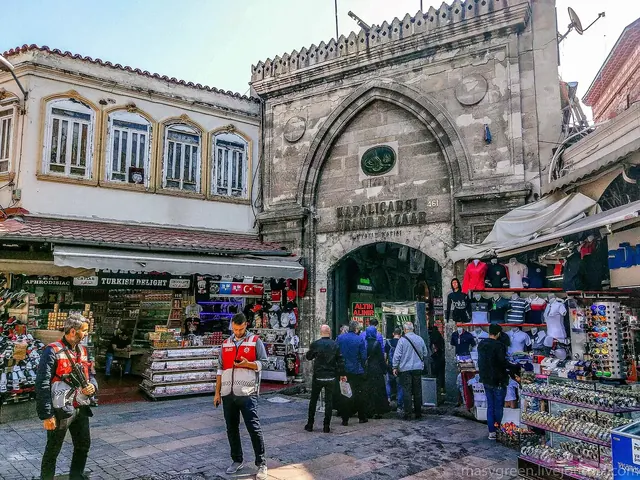
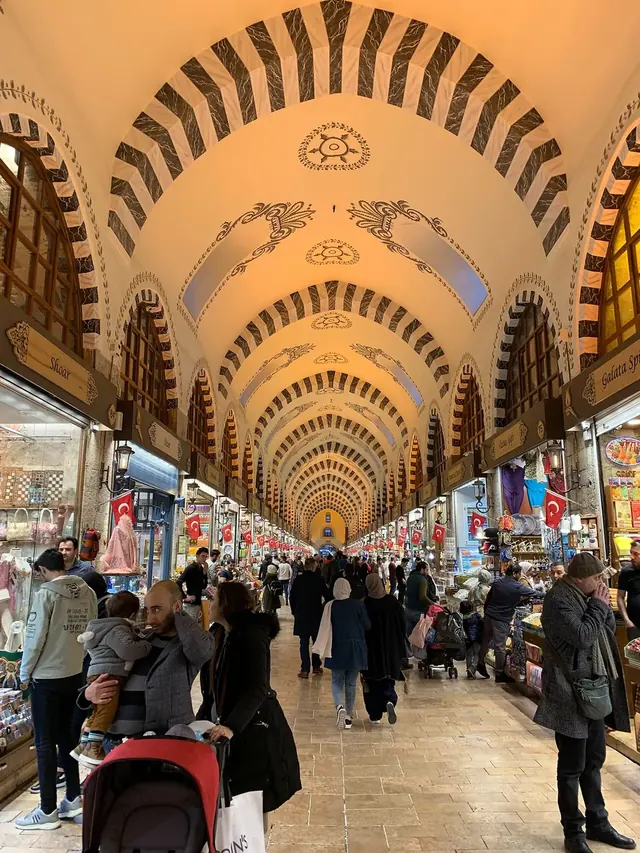
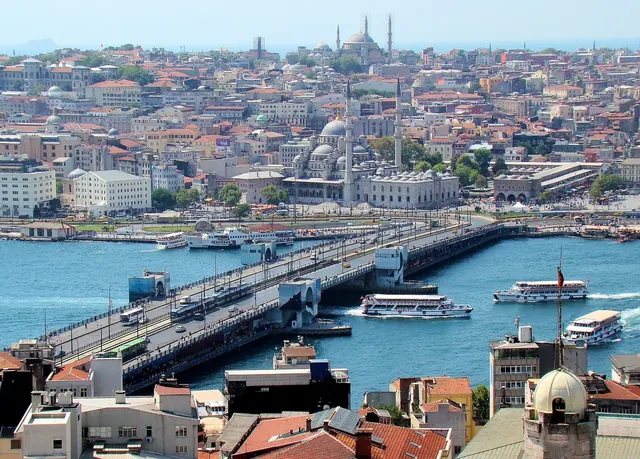
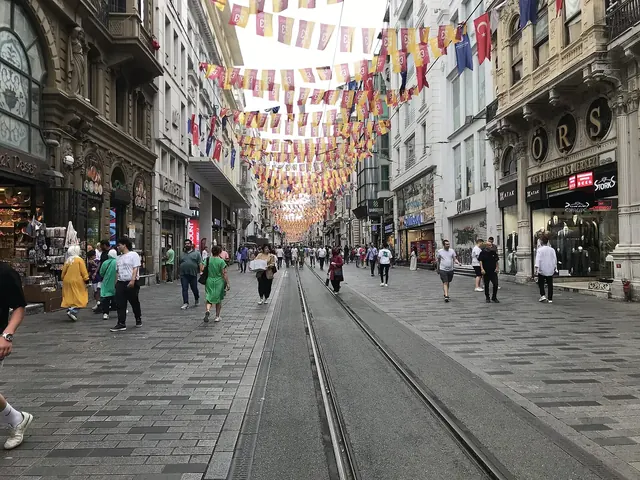
Pickpockets work where crowds are densest: the T1 tram at rush hour, the narrow lanes of the Grand Bazaar and Spice Bazaar, the Eminönü ferry piers, the Galata Bridge and İstiklal Avenue.
Carry your bag in front of you with the zip closed, and never keep your phone in a back pocket. At pavement cafés, don't leave your phone on the edge of the table. If there is sudden jostling at the tram doors, hold on to your bag. Leaving your original passport somewhere safe at the hotel and carrying a photocopy or digital copy also helps; our T1 tram guide has more tram tips.
Transparent restaurants and shopping
- If a menu has no prices, ask before ordering, and check the bill line by line before paying.
- If dishes you didn't order arrive at the table, ask whether they are charged.
- Accepting tea in a carpet or souvenir shop does not oblige you to buy anything; a polite thank-you is enough.
- Be cautious with promises to ship large purchases abroad; where possible, take items with you and get an invoice.
Traffic, street life and health
Traffic is the safety issue visitors most often overlook. Drivers do not always give way to pedestrians, even at crossings, so look both ways. The T1 tram glides almost silently, so watch the tracks, especially along Sultanahmet and Divanyolu. In side streets, motorbikes sometimes ride up onto the pavement.
The cats and dogs you'll see everywhere are generally calm and looked after by neighbours, but teach children to be careful before touching animals they don't know. In summer, sun and heat are the most common health problem for visitors: hats, water and shaded breaks are essential.
In an emergency
- 112: Turkey's single emergency number for ambulance, police and fire.
- Tourist police: Sultanahmet has a tourist police point where you can report lost or stolen items and get a report.
- Your hotel's address: Keep your hotel's address and location handy on your phone; showing it is the easiest way to get help or give a taxi driver directions.
- Ask reception: Our reception is open 24 hours, so you can always reach us to call a taxi, get directions or talk through a problem.
Frequently asked questions
Is Istanbul safe for tourists?
Generally yes. The problems tourists encounter are mostly minor scams involving taxis, money exchange or street tricks, plus pickpocketing in crowds. Basic precautions avoid most of them.
How do I avoid taxi scams in Istanbul?
Make sure the meter is running, use official taxi-hailing apps where possible, note the plate, and say the value of your banknote out loud while counting your change.
What is the shoe-shine scam?
A shoe-shiner drops his brush in front of you, offers a shine as thanks when you return it, then demands a high fee. You can simply leave the brush, or say thanks and keep walking.
What is the emergency number in Turkey?
112 is the single emergency number for ambulance, police and fire services.