The best things to bring home from Istanbul come from its centuries-old crafts and trading traditions, from Turkish delight and spices to hand-painted tiles, marbled paper and handwoven kilims. This guide covers what to look for, how to tell quality, and where to shop by bazaar. We name no shops; the focus is on the goods and the markets themselves.
On this page8
Edible gifts: lokum, spices, tea and coffee
- Turkish delight (lokum): rose, pistachio, hazelnut and double-roasted are classics. Vacuum-packed or boxed lokum travels best; read its story in our Turkish desserts guide.
- Spices: chilli flakes (pul biber), smoky isot pepper, sumac, oregano, dried mint and cumin are gifts that go straight into the kitchen. Buy small, vacuum-sealed amounts to keep the aroma.
- A word on saffron: real saffron is expensive; very cheap saffron is usually safflower. If in doubt, skip it.
- Tea and coffee: loose Rize tea, freshly ground Turkish coffee, a copper cezve and a set of tulip glasses. See our guide to Turkish coffee and tea culture.
Tiles in the İznik tradition
Between the 15th and 17th centuries, workshops in İznik produced quartz-based tiles that decorated Ottoman mosques and palaces. Rüstem Pasha Mosque and Topkapı Palace hold some of the finest examples. The bowls, plates and tiles sold in the bazaars today are contemporary interpretations of this tradition.
To spot hand-painted pieces, look for brushstrokes and slight irregularities; perfectly uniform, printed-looking patterns are usually factory-made. Handmade pieces are often signed on the back. Ask for proper packing for anything fragile.
Ebru, painting on water
Ebru is the traditional art of marbling: pigments are sprinkled onto thickened water, shaped with brushes and styluses, then transferred to paper. Traditional Turkish ebru was added to UNESCO's Intangible Cultural Heritage list in 2014. Each sheet is unique. Unframed ebru is light and flat, perfect for a suitcase, and some workshops let you watch or even try it yourself.
Peştamal towels and textiles
The peştamal you wrap around yourself in a hammam is a light, quick-drying cotton cloth that also works as a beach towel, throw or scarf. Handloomed versions have more texture and last longer. The same shops sell silk scarves, cotton towels and embroidered cushion covers. Curious about the hammam itself? Read our Turkish bath guide.
Evil eye beads and small keepsakes
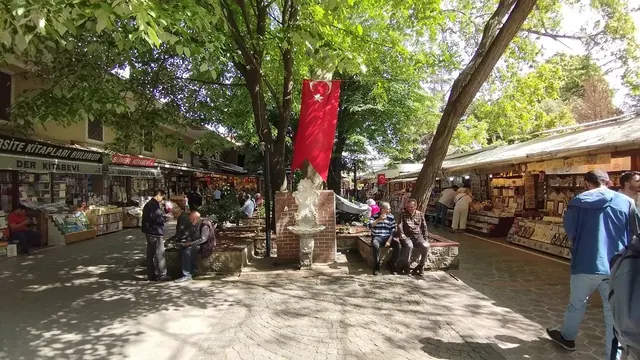
The blue glass nazar boncuğu is a traditional charm believed to ward off the evil eye; you will see it above doorways and on baby cots. Available in every size from keyrings to wall hangings, it is the easiest gift to pack. Copper bowls, glass mosaic lamps, olive-oil and laurel soaps, and old books, calligraphy and miniature prints from the Book Bazaar (Sahaflar) make lovely keepsakes too.
Buying a carpet or kilim: general tips
- Carpet or kilim? Carpets are knotted with a pile; kilims are flat-woven, lighter and usually more affordable.
- Is it handmade? Turn it over: handmade knots are slightly irregular and the pattern is clearly visible on the back. The fringe should be the carpet's own warp threads, not sewn on.
- Materials and dyes: ask whether it is wool, cotton or silk, and whether natural dyes were used.
- Take your time: visit several shops, take photos and note dimensions. Do not let anyone rush you into a big purchase.
- Get paperwork: ask for an invoice describing the piece and, where relevant, a certificate. Exporting antiques of a certain age requires official permission, so ask the seller for the necessary documents.
- Shipping: if you have it shipped, get the terms and delivery time in writing.
Where to shop, bazaar by bazaar
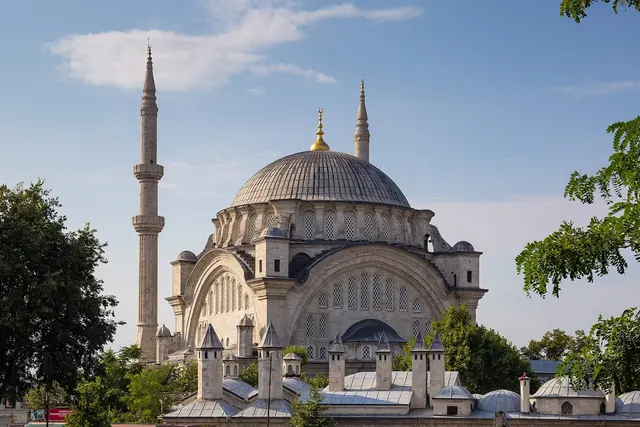
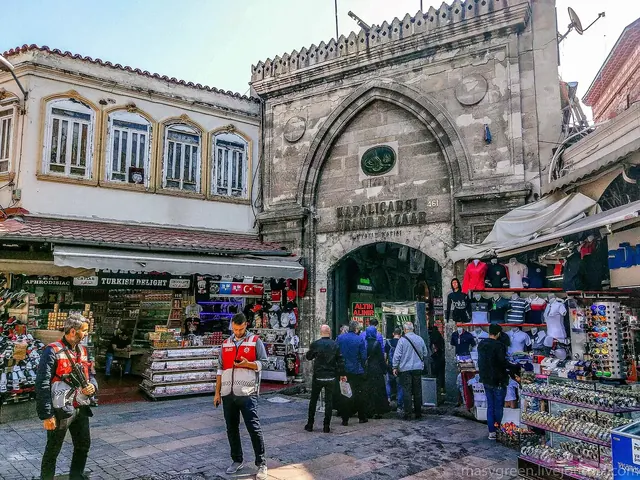
The Grand Bazaar grew around a covered market hall built under Sultan Mehmed II in the 15th century and now spans dozens of streets. It has the widest choice of carpets, kilims, tiles, lamps, jewellery and textiles. Entering through the gate by Nuruosmaniye Mosque and following the main axis is a good way in. It is usually closed on Sundays; check current information.
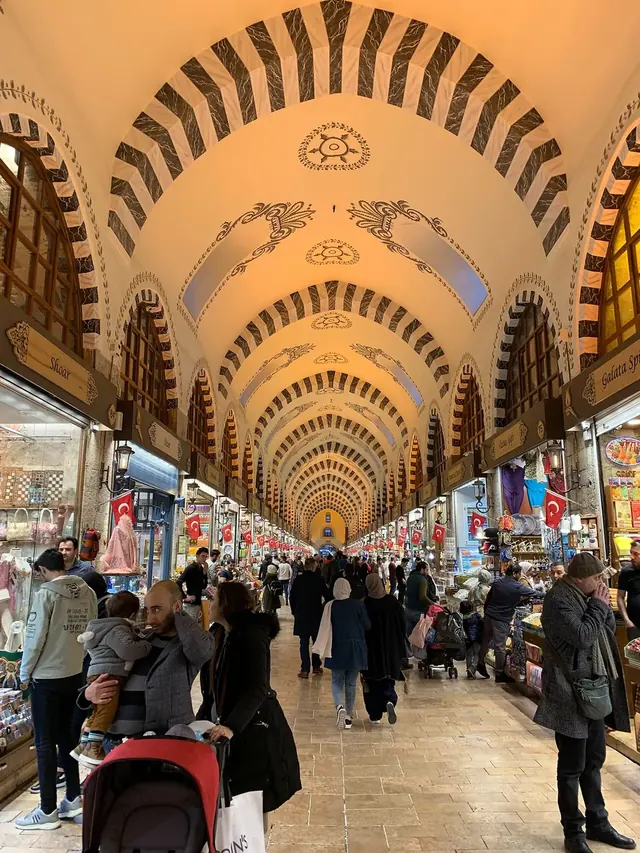
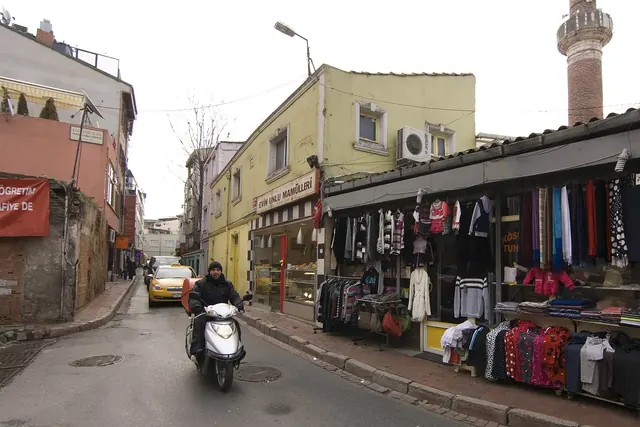
The Spice Bazaar was built in the 17th century as part of the New Mosque complex. It is the go-to place for spices, lokum, nuts, tea and coffee, and the surrounding streets are known for more local prices.
The Arasta Bazaar, a long, quiet row of shops behind the Blue Mosque built to fund the mosque, is ideal for browsing carpets, tiles and textiles away from the crowds, and it is within walking distance of our hotel.
Bargaining and shopping etiquette
Bargaining is part of the culture in the Grand Bazaar and souvenir shops, though not in shops with fixed, labelled prices. Stay friendly and good-humoured, and only haggle for things you actually want. Accepting a glass of tea does not oblige you to buy. For common tourist traps and how to avoid them, see our safe travel tips.
Frequently asked questions
What are the most popular souvenirs from Istanbul?
Turkish delight, spices, Turkish coffee, evil eye beads, hand-painted tile bowls, ebru and peştamal towels are all favourites.
Do you bargain in the Grand Bazaar?
Yes, especially for carpets, tiles and souvenirs. It is not expected in shops with fixed, labelled prices.
Can I take spices and Turkish delight on a plane?
Vacuum-packed spices and lokum usually travel fine in checked luggage. Check your destination country's food import rules before you fly.
How can I tell if a carpet is handmade?
Look at the back: slightly irregular knots, a clear pattern on the reverse and a fringe formed from the carpet's own warp threads are good signs.