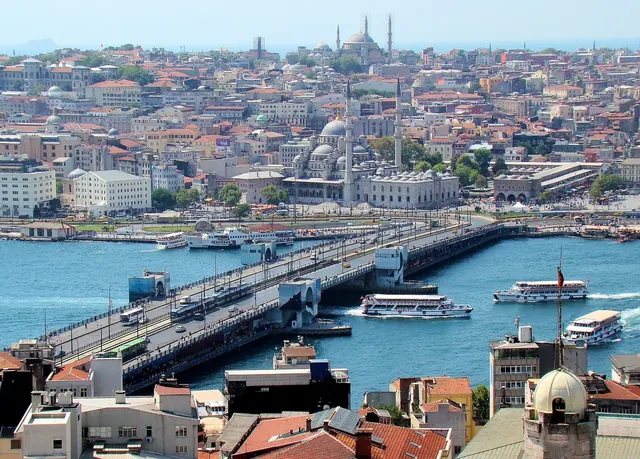
Istanbul has warm, humid summers and cool, rainy winters. According to long-term records from the Turkish State Meteorological Service (MGM), average highs stay below 10 °C in January and approach 30 °C in July and August. The most comfortable months for sightseeing are April–May and September–October, while the sea is warm enough for most swimmers from late June to the end of September. Below you'll find every month's averages, plus links to MGM for the most accurate, up-to-date forecast.
On this page8
Which month suits what?
- Best all-round months for sightseeing: April, May, September and October. Daytime highs are mostly 17–26 °C, rainy days are few and walking the city is at its most pleasant.
- Tulip season: In April, Emirgan Park and Gülhane Park burst into colour. Days are mild, but evenings are still cool.
- Sea and long days: July and August are the hottest and driest months, with sunsets between about 8:00 and 8:40 pm. Spend the midday heat indoors and enjoy the mornings and late afternoons outside.
- The quiet season: From November to March the crowds thin out. Rain and wind become more frequent, so museums, cisterns and covered bazaars take centre stage. Keep our rainy-day ideas to hand.
- Chance of snow: Snow is most likely in January and February, occasionally in early March, but not every winter brings it, and when it does it usually melts within a few days.
Istanbul's seasons at a glance
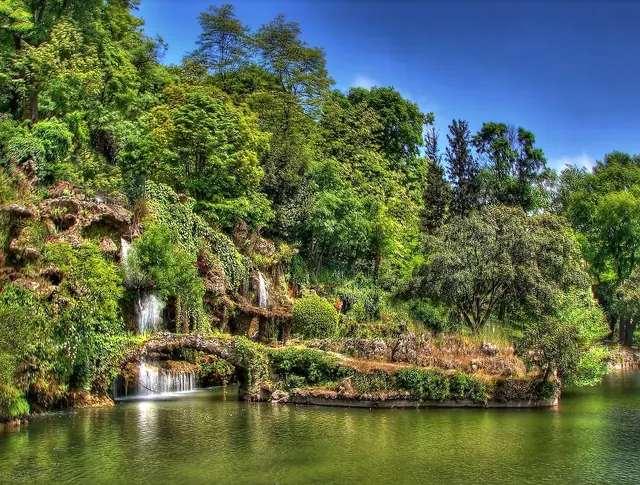
Spring (March–May): March is changeable, spring-like one day and wintry the next. April warms up, and May brings the most balanced weeks of the year. Evenings and the waterfront can feel cooler than you expect, so keep a light jacket with you.
Summer (June–August): Daytime highs are mostly around 27–30 °C, but high humidity makes it feel hotter. Rain is rare: July and August average only three to four rainy days each. During heatwaves the thermometer can climb above 35 °C.
Autumn (September–November): September usually feels like an extension of summer, and the sea is still warm. The first autumn rains arrive in October, and November brings more rainy days and the warm, gusty southerly wind known as the lodos.
Winter (December–February): Daytime temperatures are mostly 6–12 °C, with nights around 2–7 °C. December is the wettest month of the year. The northerly poyraz wind sharpens the cold and brings a few days of snow in some winters.
When can you swim? The Sea of Marmara month by month
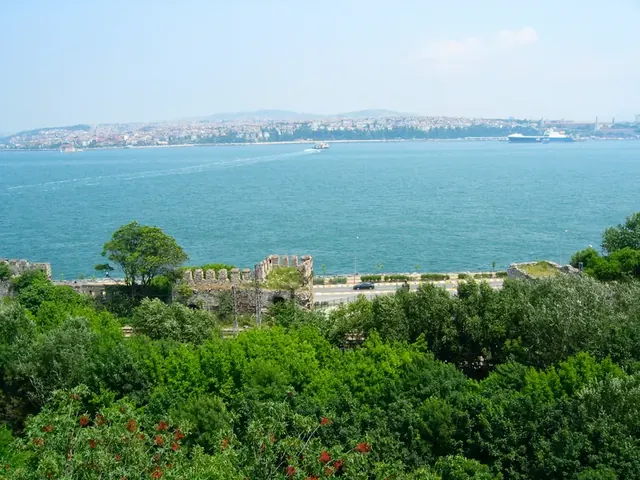
According to MGM's 1970–2025 records, the Sea of Marmara cools to about 8 °C in February and warms to 24 °C in August. The water reaches an average of 20 °C in June, so for most people the swimming season runs from late June to the end of September. September is a lovely month for a dip: the water is still warm and the beaches are quieter.
The sea is getting warmer, too. MGM reports that the Marmara's average annual water temperature rose from 15.0 °C in 1970–1980 to 17.2 °C in 2014–2025, so in recent summers the water can be 1–3 °C warmer than the long-term averages in the table.
There is no official beach on the shore of the Historic Peninsula; the Kennedy Avenue seafront, a few minutes' walk from our hotel, is for strolls and sunsets rather than swimming. Most people who want a swim head to the beaches of the Princes' Islands. On the Black Sea coast, currents can be dangerous: swim only at beaches with lifeguards and follow the flag warnings.
Rain, wind and snow: meet the poyraz and the lodos
Most of Istanbul's rain falls in autumn and winter: December is the wettest month with an average of 99 mm, July the driest with 22 mm. In winter it rains on 14–16 days a month, in summer on just three or four. Autumn downpours can drop a lot of rain in a short time; the highest daily rainfall in MGM's records is 136.1 mm, measured on 10 September 1981.
Two winds shape the city's weather. The poyraz, blowing from the Black Sea, freshens the air, takes the edge off summer humidity and makes winter colder. The southwesterly lodos brings milder air but whips up the Sea of Marmara, and in a strong lodos ferry services can be cancelled. If you're planning a Bosphorus trip, check sailings on the day; our Bosphorus cruise guide explains the options.
Snow doesn't fall every winter, and when it does it usually melts within a few days. The deepest snow MGM has recorded in Istanbul is 41 cm, on 9 March 1987.
Temperature records: how hot and how cold does Istanbul get?
- Highest: 40.6 °C on 13 July 2000. August's record is 40.1 °C (12 August 2002) and September's 39.6 °C (20 September 2017).
- Lowest: −9.0 °C on 5 February 1950. January's record low is −6.8 °C (28 January 1969) and March's −5.6 °C (6 March 1987).
- A summer day in November: On 4 November 2023 the temperature reached 29.6 °C, so even in autumn you may need light clothes.
- Strongest wind: 20.8 metres per second, on 28 October 2010.
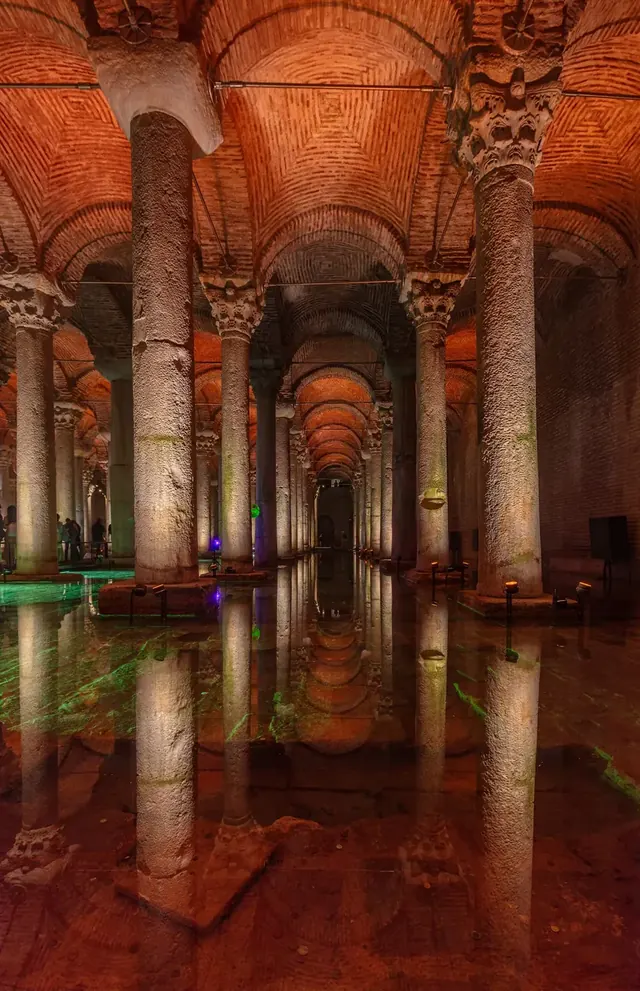
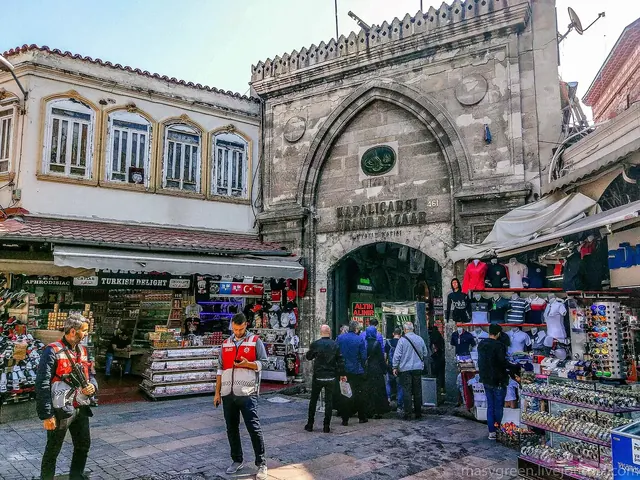
Spending the hottest hours underground in the Basilica Cistern, which stays cool all year, and rainy hours under the vaults of the Grand Bazaar are two of the oldest ways of living with Istanbul's weather.
Daylight: when does the sun rise and set?
Since 2016 Türkiye has kept the same time all year round (UTC+3), with no switch between summer and winter time. That makes winter mornings dark until late: in December and January the sun rises around 8:20–8:30 am and sets between 5:35 and 6:00 pm. In June it rises at about 5:30 am and sets around 8:40 pm, giving more than 15 hours of daylight.
In winter, put the sights that matter most to you in the morning; in summer, make the most of the cool early hours and the sunset. Galata Bridge and Çamlıca Hill are favourite sunset spots. Because prayer times follow the sun, mosque visiting hours also shift from season to season.
Frequently asked questions
What is the best month to visit Istanbul?
For weather, the most balanced months are April, May, September and October, with daytime highs mostly between 17 and 26 °C and few rainy days. Choose July–August if you want to swim, or November–March if you'd rather avoid the crowds.
What are the hottest and coldest months in Istanbul?
July and August are the hottest months, January and February the coldest. In MGM's 1950–2025 records, the highest temperature measured is 40.6 °C (July 2000) and the lowest −9.0 °C (February 1950).
Does it snow in Istanbul?
Some winters, yes; others, not at all. Snow is most likely in January and February and usually melts within a few days, so it's more realistic to plan for rain and wind than for snow.
When is the sea warm enough to swim in Istanbul?
The Sea of Marmara reaches an average of 20 °C in June, peaks at about 24 °C in August and stays around 22 °C in September. There's no official beach on the Historic Peninsula, so the Princes' Islands are a better choice for a swim.
Where can I find a reliable weather forecast for Istanbul?
The most reliable source is Türkiye's official weather service, the Turkish State Meteorological Service (MGM). The links on this page take you to Istanbul's five-day forecast, official weather warnings and live sea water temperatures.