Muslims celebrate two great festivals a year, called bayram in Turkish: the three-day Ramazan Bayramı (Eid al-Fitr, also known as the Sugar Festival) at the end of Ramadan, and the four-day Kurban Bayramı (Eid al-Adha), the Feast of Sacrifice, which coincides with the Hajj pilgrimage. Both begin with a morning prayer and are days of visiting elders, making up old quarrels and sharing with people in need. Their dates move about 11 days earlier each year, so check them if you are travelling around that time.
On this page6
Eid al-Fitr: joy after a month of fasting
Ramazan Bayramı falls on the first three days of the month of Shawwal and celebrates completing the Ramadan fast. In Arabic it is Eid al-Fitr, the festival of breaking the fast. Most Turks call it Şeker Bayramı, the Sugar Festival, because sweets, Turkish delight, chocolates and desserts are offered on every holiday visit.
Before the festival every Muslim who can afford it gives fitre (zakat al-fitr), a small donation per family member so that everyone can celebrate the Eid with dignity.
Eid al-Adha: Abraham's devotion and sharing
Kurban Bayramı begins on the 10th of Dhu al-Hijjah and lasts four days, coinciding with the pilgrimage in Mecca. In Arabic it is Eid al-Adha. In Islamic tradition it commemorates Abraham's submission to God and the ram sent to be sacrificed in place of his son.
In the Hanafi school, Muslims with sufficient means are required to offer a sacrifice: a sheep or goat for one person, or a share of a cow or camel for up to seven. The meat is traditionally divided into thirds, for the household, for relatives and neighbours and for the poor. The heart of the festival is the sharing, not the slaughter.
The Eid morning prayer
Both festivals open with a two-unit Eid prayer held in congregation a little after sunrise. Before it, mosques resound with the Eid takbirs, a chant beginning “Allahu akbar, Allahu akbar, la ilaha illallah...”, the signature sound of festival mornings. Unlike the Friday prayer, the sermon comes after the prayer.
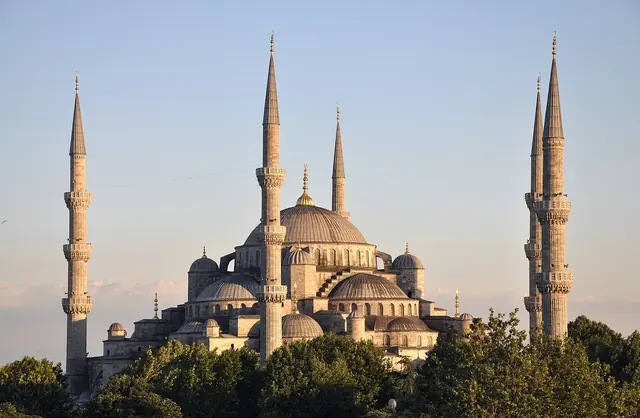
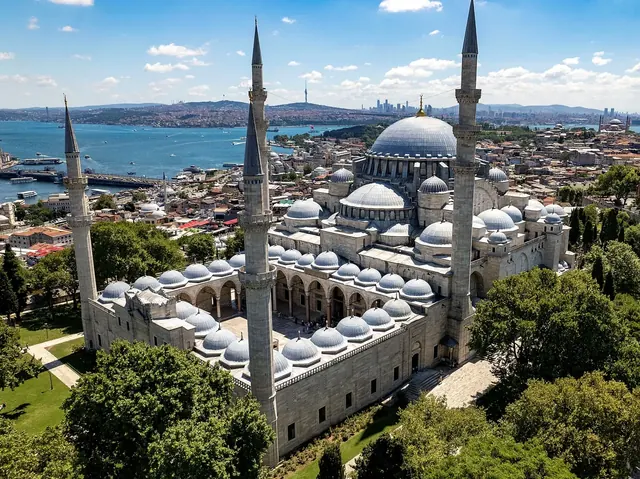
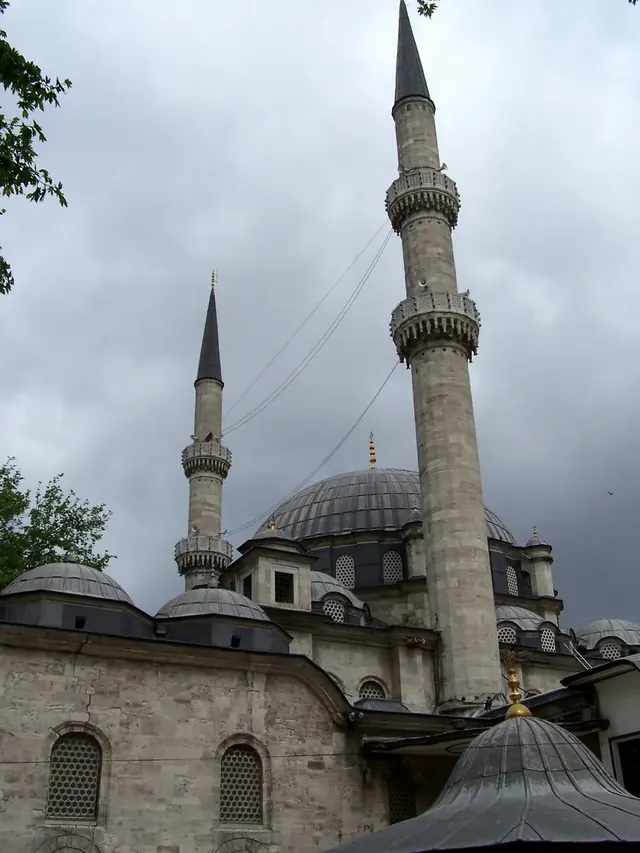
Big mosques, especially Eyüp Sultan, the Blue Mosque and Süleymaniye, overflow into courtyards and streets, and afterwards everyone exchanges festive greetings. For more on praying together, see our Friday prayer and congregation guide.
Visiting, kissing hands and festival sweets
- Visiting elders: on the first day families call on parents, grandparents and senior relatives first, then other relatives, neighbours and friends.
- Kissing hands: younger people kiss the back of an elder's right hand and touch it to their forehead, a gesture of respect answered with blessings; children often receive sweets or a little pocket money in return.
- New clothes: buying children a new outfit for the festival (bayramlık) is an old custom.
- Treats: guests are offered sweets, Turkish delight, chocolates, baklava and Turkish coffee; see our guide to Turkish desserts.
- Cemetery visits: on the eve or morning of the festival, families visit the graves of loved ones; see our guide to visiting tombs and graves.
- Reconciliation: bayram is considered the right time to make peace and let old grudges go.
Sacrifice in Istanbul
In Istanbul, sacrificial animals are slaughtered in designated municipal areas rather than in the street, so a visitor exploring the old city is unlikely to see any of it. Many families prefer to donate their sacrifice through a charity, which carries it out on their behalf in regions of Türkiye or the world where the meat is most needed.
In the days before the festival, livestock markets appear on the city's outskirts, and on the first morning butchers and volunteers work flat out.
How bayram affects your trip
Both festivals are public holidays in Türkiye: half a day on the eve, then three days for Ramazan Bayramı and four for Kurban Bayramı, and the government sometimes bridges the gap to make a nine-day break. Intercity buses, flights and hotels fill up early. Istanbul's traffic eases as residents leave for their hometowns, while historic sites get busier with domestic visitors.
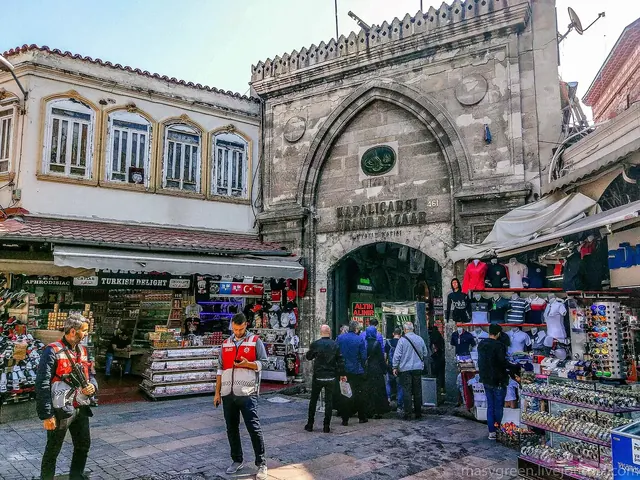
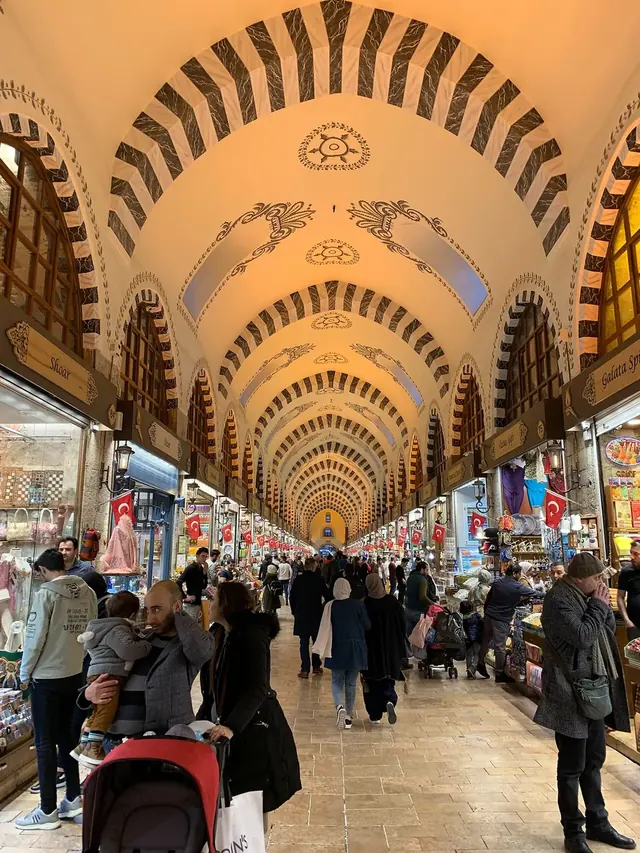
Some museums may be closed on the morning of the first day, and historic markets such as the Grand Bazaar and the Spice Bazaar usually close fully or partly during the holiday. Because the dates shift about 11 days every year, check that year's dates and the current opening status of the places you plan to visit; you are welcome to contact us with questions. Muslim guests will find more practical tips in Istanbul for Muslim travellers.
Frequently asked questions
How do I wish someone a happy Eid in Turkish?
Say “Bayramınız mübarek olsun” (may your festival be blessed) or simply “İyi bayramlar” (happy holidays). Greetings from non-Muslim visitors are usually received very warmly.
Can I watch the Eid prayer?
The prayer is held early in the morning and mosques are packed. Watching from outside the courtyard, out of the way and without photos, is generally fine.
Are the Sugar Festival and Ramazan Bayramı the same?
Yes. The official name is Ramazan Bayramı; Şeker Bayramı is the popular name, from the sweets offered. For the month that precedes it, see our Ramadan guide.
Do shops and restaurants close during bayram?
Most restaurants and shops in tourist areas stay open, though some small family businesses close for a day or two. Historic markets and some museums have reduced hours, so check before you go.