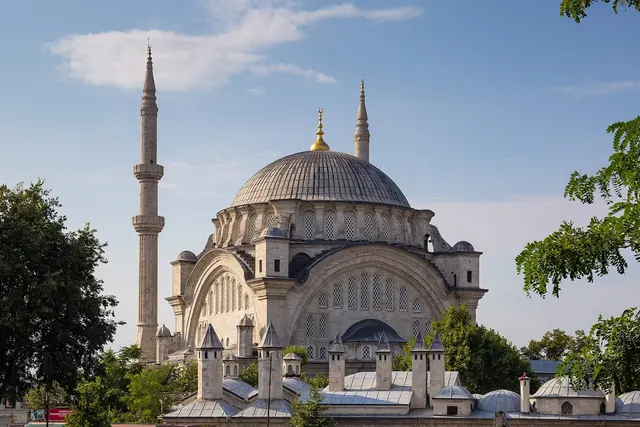
Nuruosmaniye Mosque stands just outside the Nuruosmaniye Gate of the Grand Bazaar. Begun under Sultan Mahmud I in 1748 and completed under Osman III in 1755, it is the first monumental imperial mosque in the Ottoman baroque style. Its curving cornices, horseshoe-shaped courtyard and single, light-flooded dome feel strikingly different from the classical mosques of the 16th century.
On this page5
Ottoman baroque arrives
By the mid-18th century, growing contact with Europe had Ottoman patrons looking for a new decorative language. Nuruosmaniye was the first imperial mosque to adopt it on a grand scale. Sources name Simeon Kalfa as its architect. Work began under Mahmud I and was finished after his death by Osman III, and the name means ‘the light of Osman’.
Instead of the classical cascade of domes and semi-domes, a single large dome rises on four huge arches. Rows of windows in the drum and walls flood the interior with daylight, and according to several sources the Quranic verses on light chosen for the decoration underline this theme deliberately.
A horseshoe courtyard and a ramp for the sultan
The feature that sets Nuruosmaniye apart is its courtyard: instead of the usual rectangle, the arcades follow a nearly semicircular, polygonal line. Walking around it, you can feel the baroque interest in movement and flow.
On one side, a ramp leads up to the sultan's private pavilion so that he could arrive on horseback. The complex also includes a historic library known for its manuscripts. Outside, look for acanthus leaves, S- and C-shaped scrolls and undulating eaves, the easiest clues that you are looking at baroque rather than classical Ottoman work.
What to see
- The single dome: Carried on four great arches and ringed with windows.
- The horseshoe courtyard: Unique among Istanbul's imperial mosques.
- Baroque stone carving: Scrolled cornices, acanthus motifs and wavy eaves on the facades.
- The royal pavilion and ramp: The sultan's private entrance, designed for arrival on horseback.
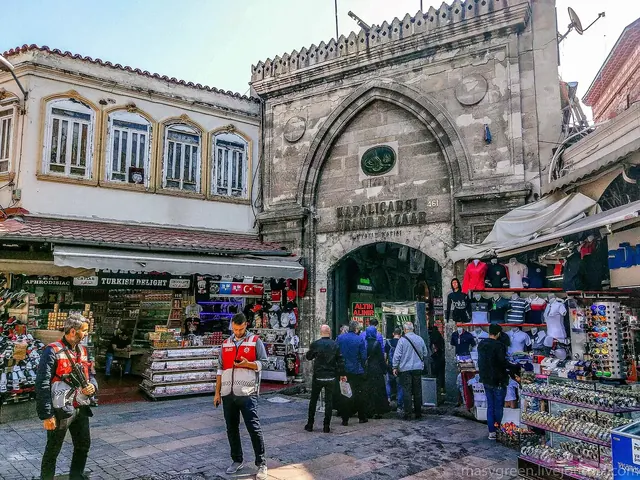
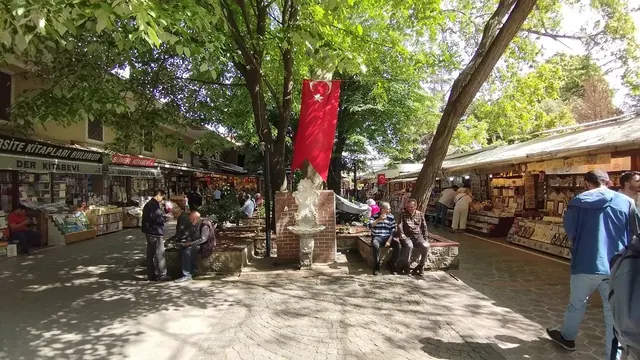
- The bazaar connection: Step out of the courtyard and you are at the grandest gate of the Grand Bazaar.
Visiting tips
Despite sitting right next to the bazaar crowds, the interior is surprisingly quiet, which makes it perfect for a short visit before or after shopping. Tourist visits pause during prayer times; see our mosque etiquette guide for dress and behaviour.
If the baroque style catches your eye, add Laleli Mosque to the same day and compare how its builders developed these ideas a few years later. For the classical counterpoint, the Süleymaniye Mosque is the best reference.
Getting there from Sareban Hotel
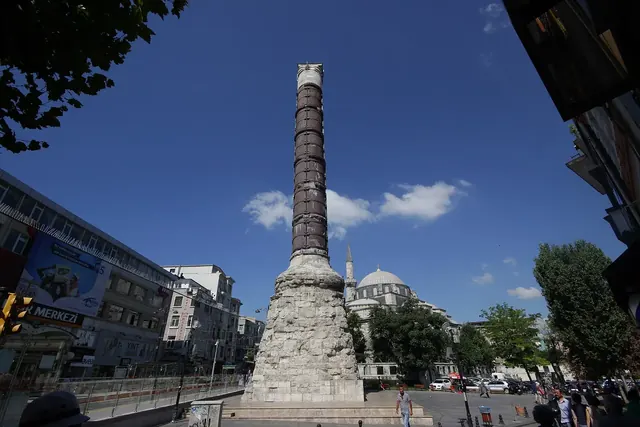
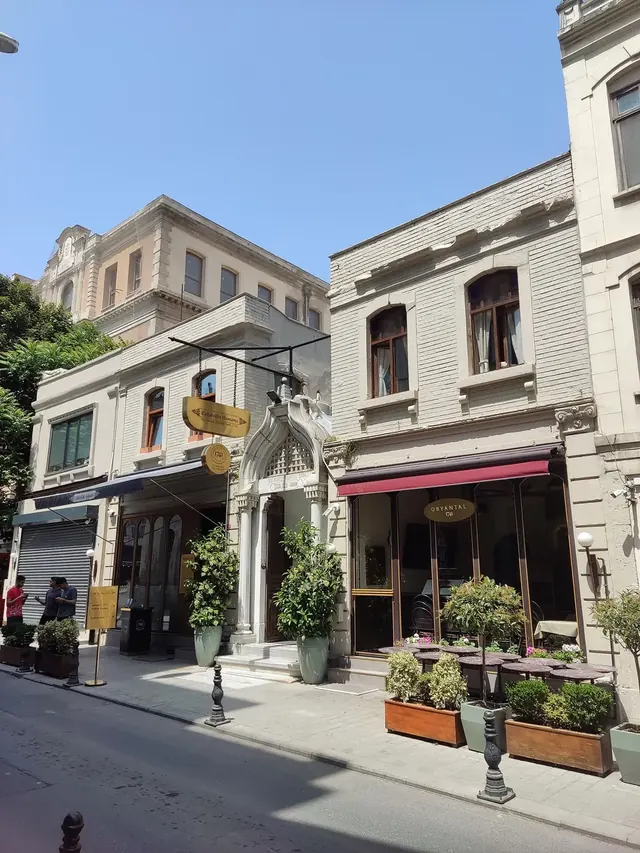
Nuruosmaniye is one of the closest sights in this area to our hotel. From Küçük Ayasofya, walk up to Sultanahmet, join Divanyolu and continue to the Column of Constantine at Çemberlitaş. Just opposite, Vezirhan Caddesi or Nuruosmaniye Caddesi lead north and bring you to the courtyard within a few minutes. The nearest T1 tram stop is Çemberlitaş.
Frequently asked questions
Why is Nuruosmaniye Mosque important?
It is the first large-scale imperial mosque in the Ottoman baroque style, and its single dome, horseshoe courtyard and flowing decoration mark the shift away from the classical style.
Who built Nuruosmaniye Mosque?
Construction began under Mahmud I in 1748 and was completed under Osman III in 1755. Sources name Simeon Kalfa as the architect.
How close is it to the Grand Bazaar?
Right next door. The mosque courtyard opens onto the street leading to the bazaar's Nuruosmaniye Gate.