January is one of Istanbul's quietest and coolest months: daytime temperatures usually hover around 6–10 °C, rain is frequent and museum queues are at their shortest all year. Build your days around indoor sights and you can explore the Historic Peninsula's palaces, cisterns and bazaars without the summer crush.
On this page5
January weather: cool, damp and changeable
Expect daytime highs of roughly 6–10 °C and nights around 2–5 °C. Rainy days are common, often starting as drizzle and lingering for hours. The northerly poyraz wind off the Black Sea makes it feel colder than the thermometer says, while the southerly lodos brings milder air and choppy water on the Sea of Marmara. Snow falls for a few days in some winters and not at all in others, so plan for rain and wind rather than counting on a white city.
Days are short and the sun sets early. The rhythm that works best is an early start, your key sights done in daylight, and a warm drink to close the afternoon.
Crowds: the upside and the trade-offs
- Pro: Outside New Year week, visitor numbers are low, and waits at Topkapı Palace and the Basilica Cistern shrink noticeably.
- Pro: Empty courtyards and low winter sun give you the cleanest photographs of the year.
- Con: On stormy days ferries can be disrupted and long outdoor walks lose their charm.
- Con: Short daylight means fewer outdoor stops fit into a day.
- Note: 1 January is a public holiday in Türkiye; expect busy central squares on New Year's Eve and some temporary traffic arrangements.
What to pack and wear
Think layers: a thin thermal base, a warm sweater and a windproof, water-resistant jacket. Waterproof shoes with good grip are essential, because the old cobblestones around Sultanahmet get slippery in the rain. Add a compact umbrella, a hat and gloves.
You remove your shoes to enter a mosque, so thick socks keep you warm and comfortable on the carpets. For women, a large scarf doubles as a winter wrap and a head covering. Our mosque etiquette guide explains the dress code in detail.
Things to do: indoor treasures and winter flavours
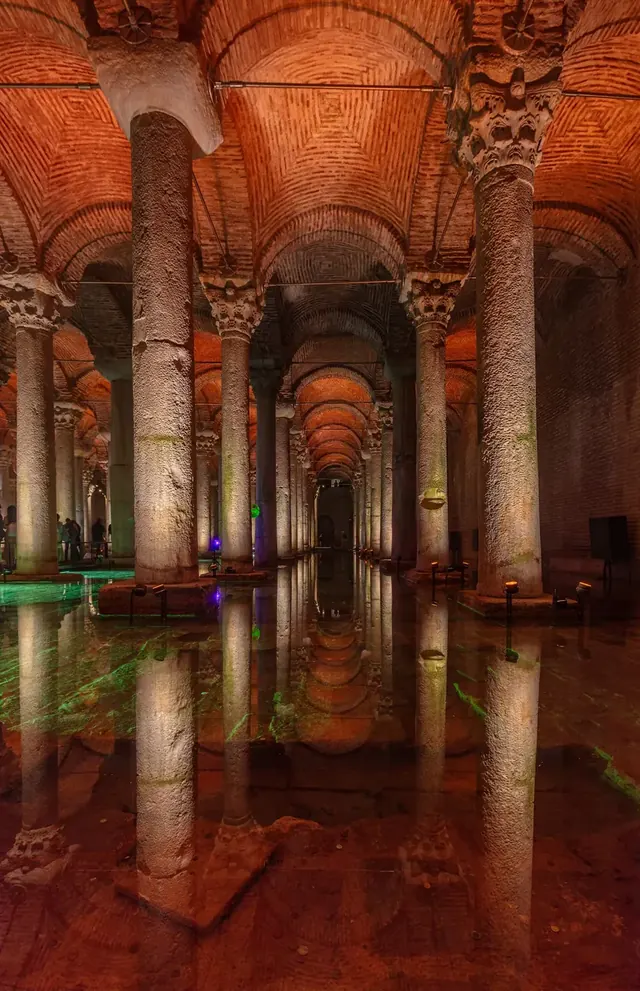
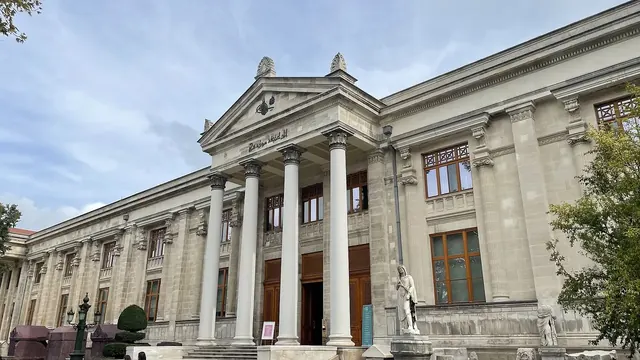
January is the month to linger in museums. The Istanbul Archaeology Museums can easily fill half a rainy day. Underground cisterns keep an even temperature year-round, so they actually feel milder than the street in winter; our cistern guide helps you choose between them.
The best cure for a cold day is a Turkish bath. The historic Cağaloğlu Hamamı is one of the options close to our hotel in Küçük Ayasofya. On the street, look for hot salep dusted with cinnamon, roasted chestnuts and thick, tangy boza, and for Black Sea anchovies, which are in season through the winter.
A two-day January plan
Day one keeps you entirely indoors; day two moves through covered markets to Süleymaniye. If the weather turns truly grim, keep our rainy-day ideas handy.
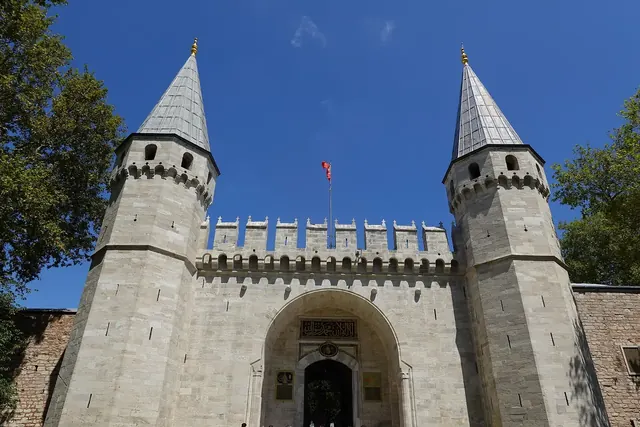
- Day 1, morning: The Basilica Cistern early in the day, then walk to Topkapı Palace for the Harem and the Treasury.
- Day 1, afternoon: The Archaeology Museums at the edge of Gülhane Park, then warm up in a hammam.
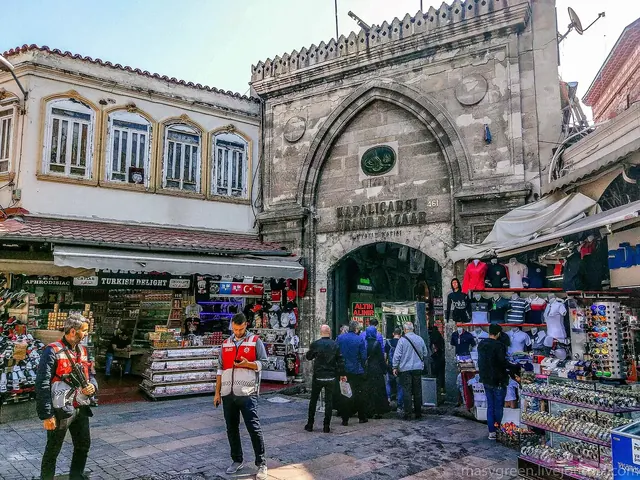
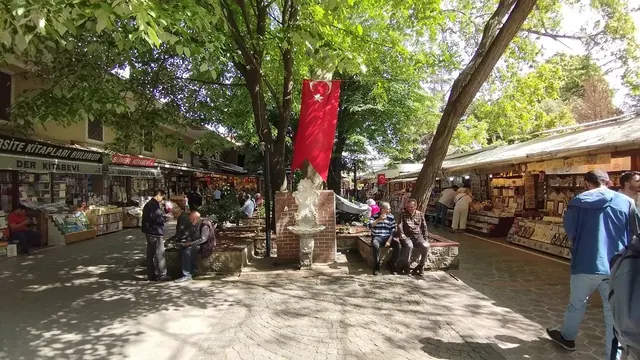
- Day 2, morning: Wander the covered lanes of the Grand Bazaar and the neighbouring Book Bazaar, dry under the vaults.
- Day 2, afternoon: Winter views over the Golden Horn from the courtyard of Süleymaniye Mosque, with a cup of salep on the way back.
Frequently asked questions
Is January a good time to visit Istanbul?
Yes, if you prefer small crowds and are happy to focus on museums, bazaars and hammams. It can be cold and wet, but queues are short and the city feels far more local.
Does it snow in Istanbul in January?
Some winters bring a few days of snow that turns the mosque domes white; other years see none at all. Because it is so unpredictable, it is more realistic to pack for rain and wind.
Can I take a Bosphorus cruise in January?
Yes. Public ferries run all winter, and you can watch the shoreline from the heated cabin with a glass of tea. Services may be cancelled in storms, so check on the day. See our Bosphorus cruise guide for options.