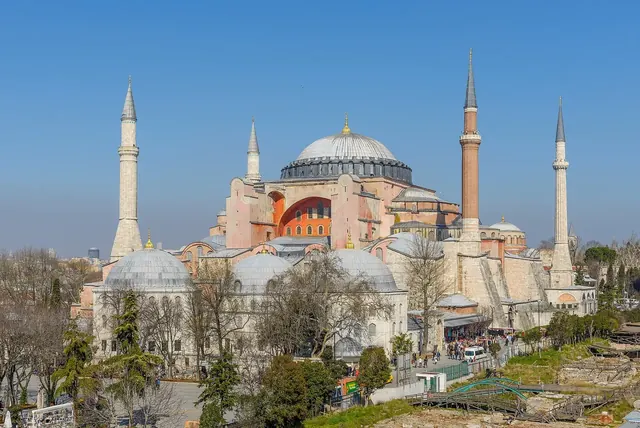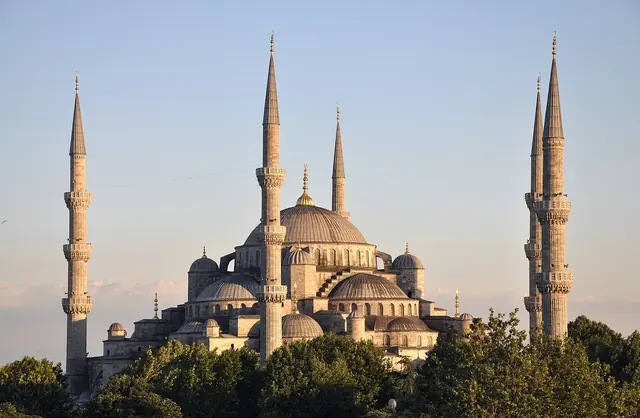
Kandil nights are five holy nights that Muslims in Türkiye mark each year with extra prayer, Qur'an recitation and gatherings in mosques: Mevlid (the Prophet's birth), Regaip, Miraç (the Night Journey), Berat and Kadir Gecesi (the Night of Power). Their name comes from the Ottoman custom of lighting minarets with oil lamps, or kandil, on these evenings. Because they follow the lunar Hijri calendar, their dates move about eleven days earlier every year, so it is worth checking whether one falls during your stay.
On this page6
The five holy nights at a glance
Each kandil recalls an event in the life of the Prophet Muhammad or in the story of the Qur'an. None of them is a public holiday in Türkiye: shops, museums and public transport run normally. What changes is the evening. After sunset, mosques fill up, families pray at home and there is a gentle, festive warmth in the streets.
- Mevlid Kandili (Mawlid): the anniversary of the Prophet's birth, traditionally the 12th night of the month of Rabi al-Awwal. Many mosques recite the Mevlid, a much-loved Turkish poem on the Prophet's birth written by Süleyman Çelebi in the early 15th century.
- Regaip Kandili (Raghaib): the eve of the first Friday of the month of Rajab. The Arabic word suggests “gifts that are longed for”. It opens the “three holy months” of Rajab, Sha'ban and Ramadan.
- Miraç Kandili (Isra and Mi'raj): the 27th night of Rajab, recalling the Prophet's night journey from Mecca to Jerusalem and his ascension through the heavens. According to tradition, the five daily prayers were prescribed on this night.
- Berat Kandili (Laylat al-Bara'ah): the 15th night of Sha'ban. Berat means release or acquittal, and it is known as a night of repentance and seeking forgiveness.
- Kadir Gecesi (Laylat al-Qadr, the Night of Power): the night the revelation of the Qur'an began, described in the Qur'an as “better than a thousand months”. Its exact date is unknown, but in Türkiye it is observed on the 27th night of Ramadan and is by far the busiest of the holy nights.
Why “kandil”? The Ottoman story of the lit minarets
According to historical accounts, the practice of hanging oil lamps on the balconies of minarets for the Prophet's birthday began under Sultan Selim II in the second half of the 16th century, and it later spread to the other holy nights. In a city lit only by candles and fires, hundreds of glowing minarets were such a striking sight that people started calling the nights themselves “kandil”.
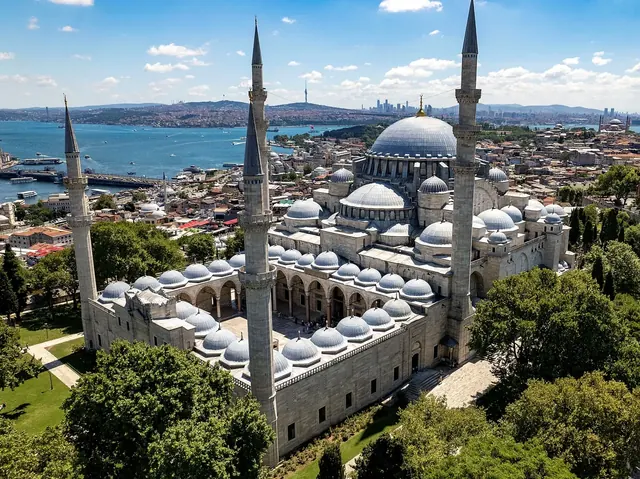
Electric bulbs have long replaced the oil lamps, but the custom survives: on kandil evenings many mosques switch on the lights around their minaret balconies. Seeing the skyline of the Süleymaniye Mosque or the six minarets of the Blue Mosque glowing on such a night is one of Istanbul's quiet, unforgettable views.
Kandil simit, greetings and the habit of sharing
On kandil days bakeries fill their windows with kandil simidi: small, soft sesame rings flavoured with mahlep, a fragrant spice from cherry kernels. They are quite different from the crunchy simit sold on street carts, and they are meant to be taken home, eaten with tea and shared with neighbours. In some neighbourhoods you may also see people handing out sweets such as lokma or helva; sharing is at the heart of these nights.
Phones buzz all day with the greeting “Kandiliniz mübarek olsun” (“May your kandil be blessed”). If you have Turkish friends or colleagues, sending this line is a kind gesture that is warmly received whatever your own faith. The usual reply is “Sizin de” (“Yours too”) or simply “Amin”.
What happens in the mosques
In the Islamic calendar a day begins at sunset, so a kandil night starts on the evening before the date printed in the calendar. The high point is around the night prayer: the Qur'an is recited, a sermon or talk is given, hymns (ilahi) are sung and the congregation prays together. Some people stay on to perform voluntary prayers or read the Qur'an late into the night. Our guide to Islamic prayer explains what you will see.
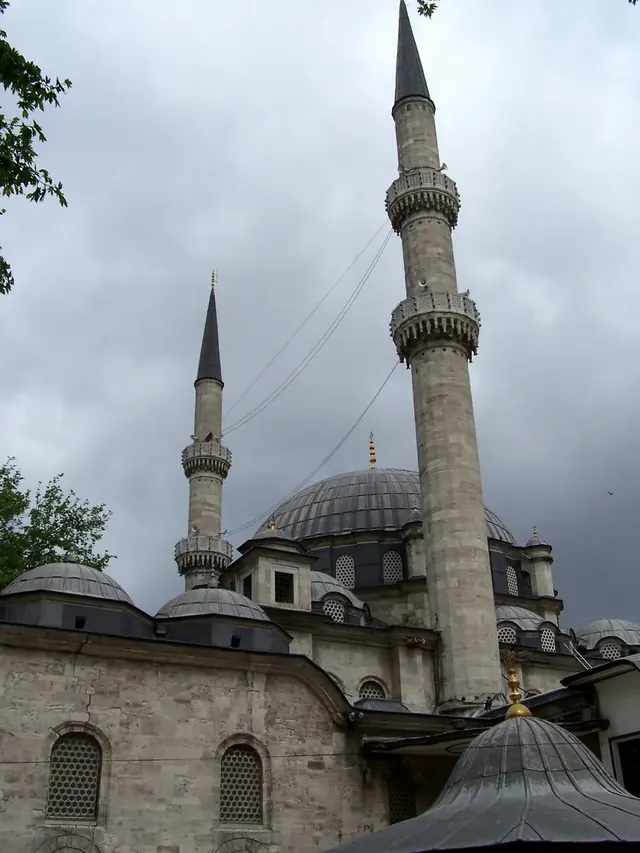
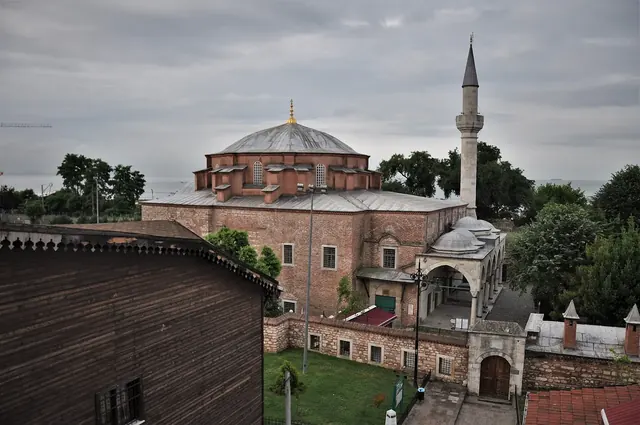
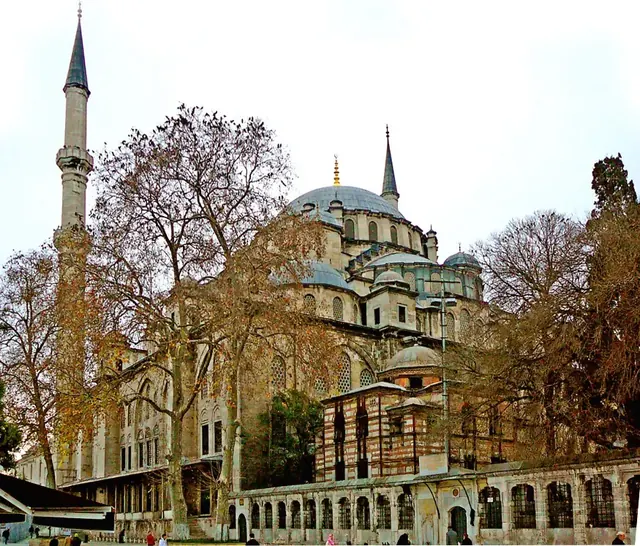
In Istanbul the Eyüp Sultan Mosque draws some of the largest crowds, and the great imperial mosques such as Süleymaniye, the Blue Mosque and the Fatih Mosque are packed. On the Night of Power, courtyards and even surrounding streets can fill with worshippers. For a more intimate, neighbourhood feel, the Little Hagia Sophia Mosque, a short walk from our hotel, is calmer and very welcoming.
Experiencing a kandil night as a visitor
Visitors of any background are welcome to observe the atmosphere respectfully. Keep in mind that on these nights mosques are first and foremost places of worship, and tourist visits pause or are restricted during prayer.
- Watching the lit minarets and the crowds arriving from a courtyard or square is the easiest and most relaxed way to take part.
- If you would like to step inside, read our mosque etiquette guide first; on crowded nights, standing quietly near the back is perfectly fine.
- Do not photograph people praying at close range, especially their faces, and never use a flash.
- On the Night of Power, trams and the streets around big mosques stay busy until late; plan your return if you are travelling with children.
- If the Night of Power falls during your trip, our guide to Ramadan in Istanbul adds useful context.
Why the dates change every year
The Hijri calendar is lunar and about 354 days long. Like Ramadan, the kandil nights therefore arrive roughly eleven days earlier each year in the Gregorian calendar and travel through all the seasons over some 33 years. Check the religious calendar published by Türkiye's Presidency of Religious Affairs (Diyanet) for exact dates, or simply ask at our front desk whether a holy night falls during your week.
One more note: the name “kandil” and the way these nights are celebrated are especially associated with Türkiye and the Balkans. Some Muslim communities mark them differently or not at all, while the Night of Power is important across the whole Muslim world. For broader questions, see our article on what visitors ask about Islam.
Frequently asked questions
Are museums and shops closed on kandil days?
No. Kandil nights are not public holidays in Türkiye, so museums, bazaars and public transport run as usual. Only the mosques and their surroundings get busier in the evening.
Can non-Muslims visit a mosque on a kandil night?
Usually yes, but tourist visits may be restricted during prayers and recitations. Dressing modestly, keeping quiet and staying near the back, or simply watching from the courtyard, is the most respectful approach.
What is kandil simit?
A small, soft sesame bread ring flavoured with mahlep, baked only on kandil days. Unlike the crunchy street simit, it is usually taken home and eaten with tea or shared with neighbours.
How do I find the kandil dates for my trip?
Check the official religious calendar of Türkiye's Diyanet, since dates follow the lunar calendar. Remember that the night begins at sunset on the evening before the listed date.