In Turkey, coffee and tea are less about caffeine than about hospitality, conversation and the rhythm of the day. Turkish coffee culture and tradition was added to UNESCO's list of Intangible Cultural Heritage of Humanity in 2013, while tea became the country's everyday drink in the Republican era. Here is the history of both, how to order them, and the small courtesies that go with them.
On this page8
From Yemen to Tahtakale: coffee reaches Istanbul
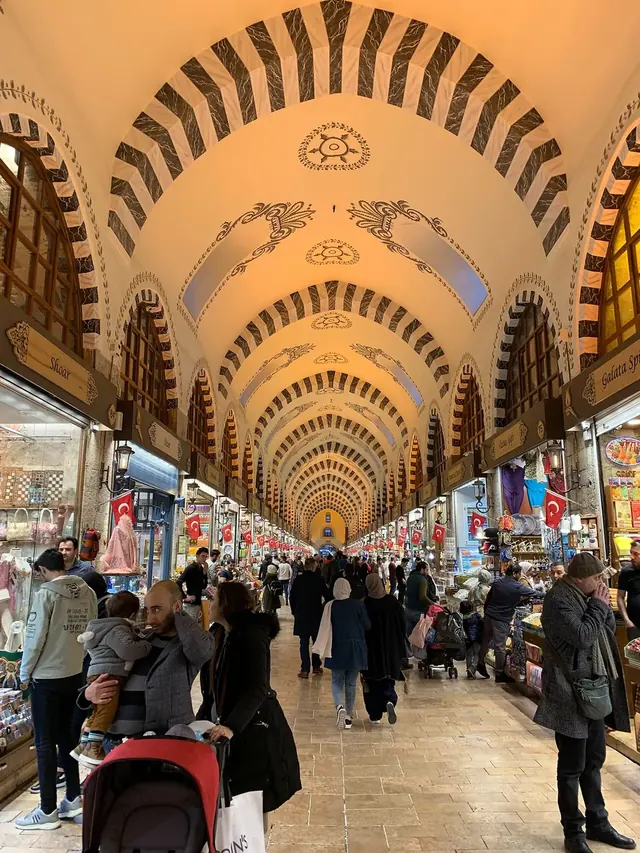
Coffee reached the Ottoman capital via Yemen in the mid-16th century. According to historical sources, two men from Aleppo and Damascus opened the city's first coffeehouses in the 1550s in Tahtakale, the market quarter just behind today's Spice Bazaar. Coffeehouses soon became social hubs where people played backgammon, listened to storytellers and traded news.
The palace had its own chief coffee maker, and coffee became part of court ceremony. Coffeehouses were banned more than once for encouraging political talk, yet the habit always returned. Walk through Tahtakale today and the smell of freshly roasted beans shows the story never stopped.
Even the Turkish word for breakfast, kahvaltı, is widely thought to come from kahve altı, the light meal eaten before coffee.
What makes Turkish coffee different
The coffee is ground to a fine powder and simmered unfiltered with cold water in a small long-handled pot called a cezve. Sugar goes in while it brews, so you cannot sweeten it afterwards: you choose the sweetness when you order.
A good cup has a thick layer of foam. It arrives in a small cup with a glass of water and often a piece of lokum (Turkish delight). Drink the water first to clear your palate.
How to order: sade, orta or şekerli
- Sade: no sugar, for tasting the coffee itself.
- Az şekerli: just a little sugar.
- Orta: medium sweet, the most common order.
- Şekerli: properly sweet.
- Variations: dibek coffee (pounded in a stone mortar, softer), menengiç coffee (made from wild pistachio, caffeine-free) and coffee flavoured with mastic are worth trying.
Sip slowly and stop when you near the bottom: the thick sludge left in the cup, called telve, is not drunk.
Fortune reading: a playful folk custom
When the coffee is finished, the cup is turned upside down on its saucer and left to cool, then someone reads shapes in the grounds. It is a light-hearted folk custom among friends and family rather than serious prophecy, and you are welcome to join in.
Coffee has other traditional roles too. When a family visits to ask for a bride's hand, the bride-to-be traditionally makes the coffee and may slip salt into the groom's cup as a joke. A well-known saying holds that a single cup of coffee is remembered for forty years, a reminder of how much a simple offer of hospitality means.
How tea took over
Tea was known in Ottoman times, but it became the national drink in the Republican era. From the 1920s, tea growing was encouraged on the eastern Black Sea coast around Rize, and the first tea factory opened in the late 1940s. Today Turkey is regularly cited among the world's highest tea consumers per person.
Turkish tea is brewed in a two-tier pot called a çaydanlık: water boils in the lower pot while strong tea steeps in the upper one. Each glass is poured with some strong tea and topped up with hot water to the strength you like. It is served without milk, with sugar cubes on the side.
The tulip glass and the language of tea
- Tavşan kanı (rabbit's blood): the ideal deep-red colour of well-brewed tea.
- Açık / koyu: ask for light or strong.
- The tulip-shaped glass: it shows off the colour and keeps the tea hot; hold it by the rim.
- Laying the spoon across the glass: in many places this signals that you have had enough.
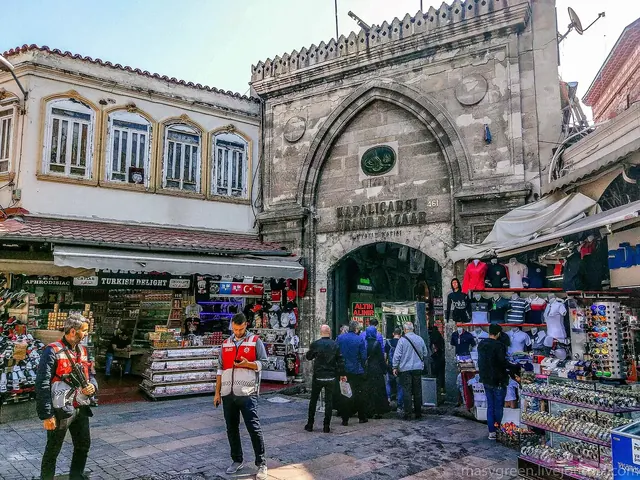
- Çay ocağı: tiny tea kitchens that deliver glasses on swinging trays to shops, a common sight inside the Grand Bazaar.
Tea as hospitality
Being offered tea in a shop or a home is completely normal. In the bazaar it is a courtesy, not a sales obligation; you can accept or decline politely without having to buy anything.
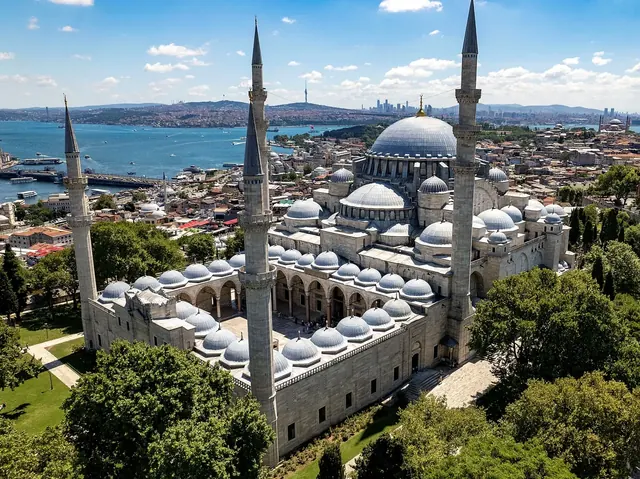
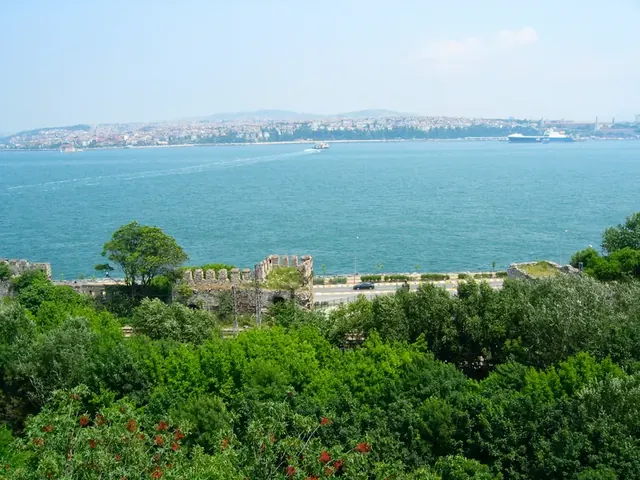
The best tea comes with a view: terraces around Süleymaniye Mosque overlooking the Golden Horn, the seaward end of Gülhane Park, Pierre Loti Hill and Çamlıca Hill. Many of our guests also like to start the day with a glass of tea and the Marmara view on our rooftop terrace.
Taking coffee and tea home
Buy Turkish coffee freshly ground and vacuum-packed to keep the aroma; a copper cezve travels well and makes a lovely gift. Sets of tulip glasses and loose Rize tea are popular too. See our guide to what to buy in Istanbul, and pair your cup with something from our Turkish desserts guide.
Frequently asked questions
Is Turkish coffee on the UNESCO list?
Yes. Turkish coffee culture and tradition was inscribed on UNESCO's Representative List of the Intangible Cultural Heritage of Humanity in 2013.
Can I add sugar to Turkish coffee afterwards?
Not really, because the sugar is cooked in. Say sade, az şekerli, orta or şekerli when you order.
If I accept tea in a bazaar shop, do I have to buy something?
No. Offering tea is simple hospitality and accepting it creates no obligation to buy.
Do people take coffee fortune reading seriously?
Mostly not. It is a fun folk custom shared among friends and family, enjoyed for the conversation rather than as a real prediction.