The Turkish bath, or hammam, grew out of Roman and Byzantine bathing traditions reshaped by the Islamic emphasis on cleanliness, and it has been a social ritual in Istanbul for centuries. Sweating on warm marble, being scrubbed clean and lathered in foam, then resting with a glass of tea is one of the most authentic experiences the city offers. Here is how a hammam works, step by step, and the etiquette first-timers should know.
On this page8
From Roman baths to Ottoman hammams
The great baths of Rome and Byzantium took on a new form under the Ottomans. The cold plunge pools disappeared in favour of washing with flowing water in a warm, steamy space, because Islamic ritual cleanliness calls for running water. Hammams were built alongside mosques, schools and markets as part of charitable complexes, and their income often supported a religious foundation.
They were also neighbourhood meeting places, especially for women. The bridal bath before a wedding, the bath taken after childbirth, and the bath marking a baby's fortieth day were occasions for family celebration.
Inside a hammam: the rooms
- Camekân (cool hall): the entrance hall with changing cubicles, where you also relax afterwards with tea or sherbet.
- Ilıklık (warm room): a transition space where your body adjusts to the heat.
- Sıcaklık (hot room): the heart of the bath, lit by small glass openings in the dome, with the heated marble platform called the göbek taşı in the centre.
- Kurna: marble basins around the walls with hot and cold taps; you scoop water with a metal bowl and pour it over yourself.
- Halvet: small private washing alcoves off the hot room.
- Külhan: the furnace beneath the building, sending hot air under the floor to warm the marble.
A hammam visit, step by step
- Undress in your cubicle, wrap the thin cotton peştamal around your waist and put on the slippers or wooden clogs provided.
- Enter the hot room, lie on the warm marble and sweat for a while, gazing up at the starry light of the dome.
- An attendant scrubs you with a coarse mitt called a kese; you will be surprised by how much dead skin comes off.
- Next comes the foam wash, a cloud of soap bubbles blown from a cloth bag and worked into a gentle massage, followed by warm rinses.
- Stay on at the basin and wash at your own pace if you wish.
- Wrap up in dry towels and rest in the cool hall with water, tea or sherbet before heading out.
Good to know for men
In the men's section the peştamal stays on at all times; full nudity is not acceptable. The scrub and foam wash are done by male attendants called tellak. The marble platform is shared, so leave room for others and avoid splashing. If anything in the massage feels uncomfortable, say so; asking for a lighter touch is completely normal.
Good to know for women
Historic hammams have a separate women's section, either in its own building or in a wing with a separate entrance, and all attendants there are women (natır). What you wear is up to you: many women keep on bikini bottoms or underwear, and some wrap the peştamal around themselves. Bring a spare pair of underwear or a swimsuit to change into afterwards.
Because the women's bath has always been a place of celebration and conversation, the atmosphere tends to be relaxed and friendly. Women who observe hijab often feel comfortable in fully women-only sections, and some hammams offer private sessions.
Etiquette and health notes
- Never let soap or foam get into the basin; the water in the kurna must stay clean.
- Pour water carefully so you do not splash your neighbours.
- Avoid going straight after a heavy meal, and drink plenty of water before and after.
- If you are pregnant or have heart or blood-pressure conditions, check with your doctor first.
- Leave jewellery and valuables in your locker.
- Ask about age policies before bringing children; our guide to Istanbul with kids has more family ideas.
Two famous hammams in the Old City
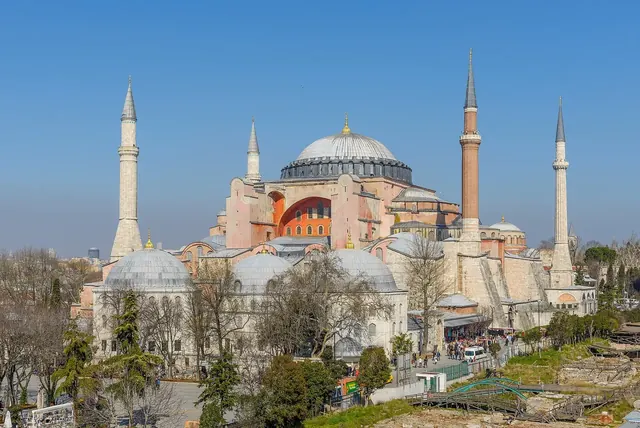
Cağaloğlu Hammam was built in 1741 under Sultan Mahmud I, with its income endowed to his library in Hagia Sophia. It is often described as one of the last great Ottoman bathhouses built in Istanbul, with separate entrances for men and women.
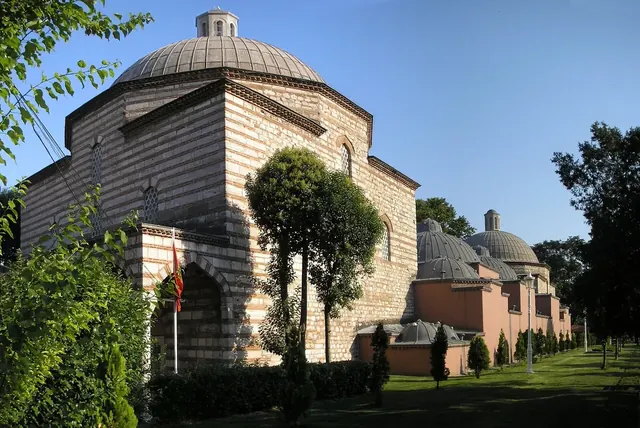
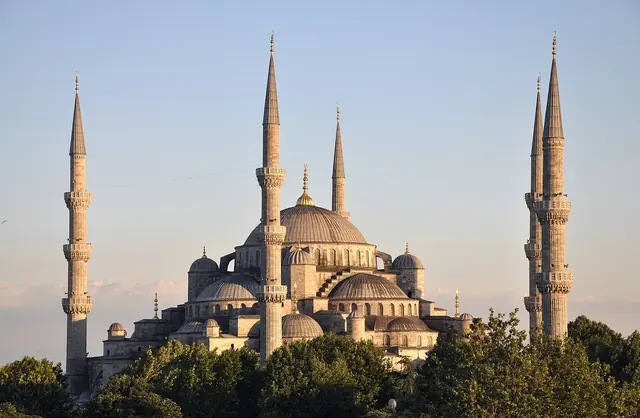
The Haseki Hürrem Sultan Hammam is a double bath designed by Mimar Sinan in the 1550s for Hürrem Sultan, set between Hagia Sophia and the Blue Mosque. Its men's and women's sections line up on a single axis in a strikingly symmetrical plan. After long use for other purposes, it was restored and once again operates as a hammam.
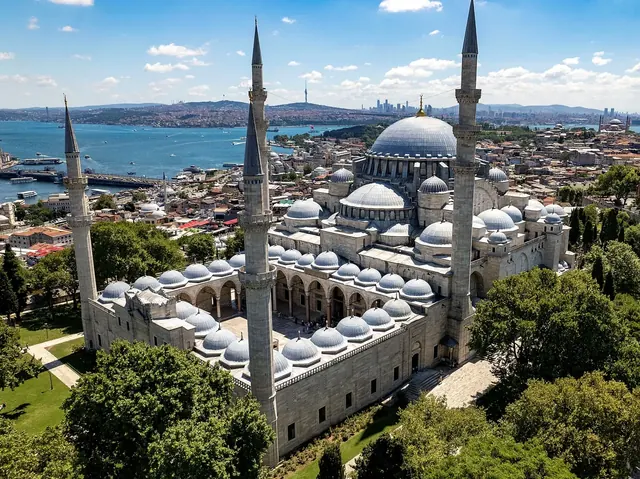
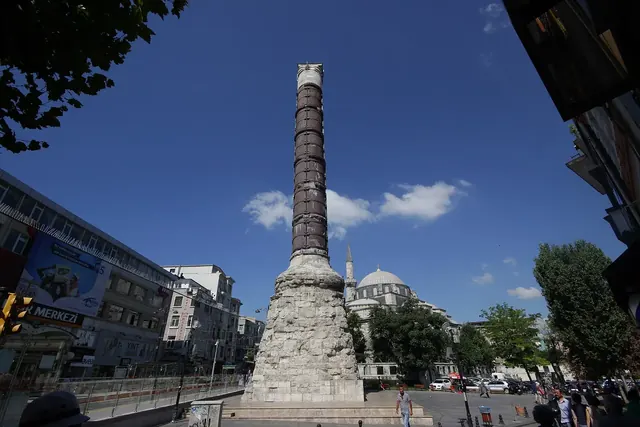
Both are an easy walk from our hotel in Küçük Ayasofya. There are other historic Sinan baths in the Süleymaniye complex and near Çemberlitaş. Check current services and booking conditions before you go.
When to go
A hammam is the perfect escape on a cold or wet day; see our rainy day in Istanbul guide for more indoor ideas. It is also wonderful at the end of a long day of sightseeing. Historic hammams are popular, so book ahead and confirm what is included and how long it lasts before you start. Our front desk is happy to help.
Frequently asked questions
What should I bring to a Turkish bath?
Historic hammams usually provide the peştamal, towels and slippers. Women may want spare underwear or a swimsuit, and everyone should bring clean clothes for afterwards.
Do you have to be naked in a hammam?
No. Men keep the peştamal on at all times. In the women's section most people wear bikini bottoms or underwear; it is a personal choice.
Are men and women together in a Turkish bath?
In historic hammams men's and women's sections are separate, and each is staffed by attendants of the same gender.
Does the scrub hurt?
The kese can feel vigorous but should not hurt. Ask the attendant to go gentler if you are uncomfortable.