Istanbul's historic peninsula packs some of the most photogenic Byzantine and Ottoman monuments into a few square kilometres, but a great shot is mostly about the right hour and the right angle. Here are our favourite spots from Sultanahmet to the Golden Horn, tips on golden hour and crowd-free mornings, and the etiquette of photographing respectfully in mosques. The advice works whether you shoot on a phone or a full camera.
On this page7
Working with light and crowds
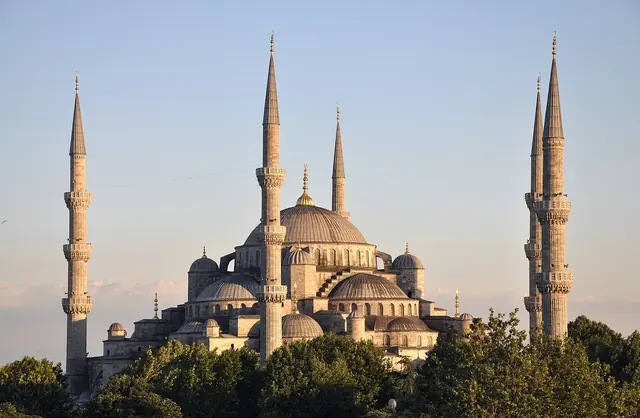
Golden hour is roughly the first hour after sunrise and the last before sunset, when low, warm light brings out the texture of stone and softens shadows. The blue hour just after sunset, when domes and minarets are lit but the sky is still deep blue, is the best time for illuminated monuments.
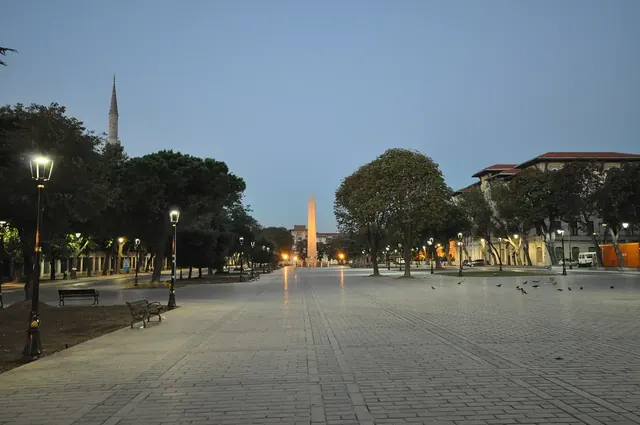
For crowd-free frames, nothing beats early morning. Before tour groups arrive, Sultanahmet Square, Soğukçeşme Street and the lanes of Süleymaniye are almost empty. Weekdays are quieter than weekends, winter quieter than summer. Walking up from our hotel in Küçük Ayasofya, you can be among the first on the square at first light.
Sultanahmet Square and around
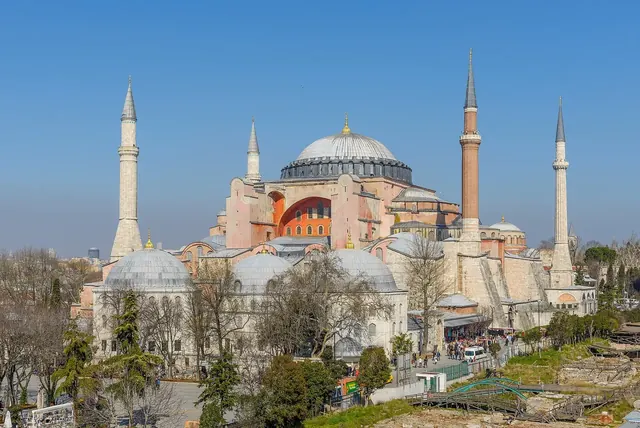
- Between Hagia Sophia and the Blue Mosque: from the fountain garden you can shoot Hagia Sophia in one direction and the Blue Mosque in the other. A low angle across the fountain adds a foreground to both.
- The Blue Mosque courtyard: arcaded arches and cascading domes suit a wide-angle frame; stand in the centre for perfect symmetry.
- The Hippodrome: the carved base of the Egyptian obelisk, the Serpent Column and the Walled Obelisk line up for detail shots.
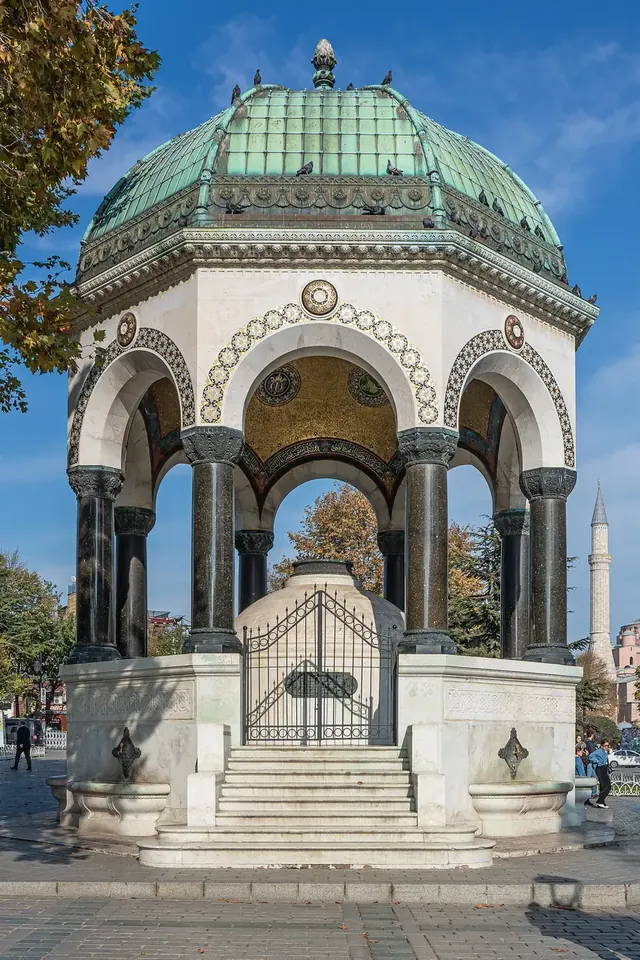
- The German Fountain: step under the octagonal dome and shoot upwards to catch its gilded mosaics.
Wooden houses and quiet courtyards
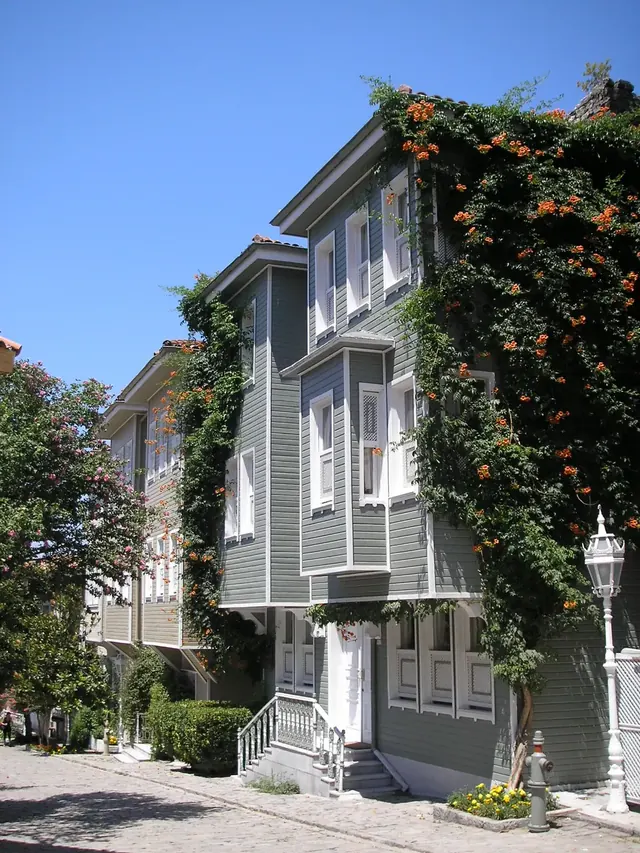
Soğukçeşme Street, with pastel wooden houses leaning against the walls of Topkapı Palace and Hagia Sophia's dome behind, is one of the most romantic frames in the Old City. The cobbled lane is quietest early in the morning.
In our own neighbourhood, Little Hagia Sophia, with its Byzantine octagonal plan and the old madrasa cells around its courtyard, is a peaceful spot far from the crowds. A few streets away, Sokollu Mehmet Pasha Mosque is known for Sinan's hillside courtyard and its İznik tiles; tradition holds that it contains fragments of the Black Stone of the Kaaba.
Interiors: shooting in low light
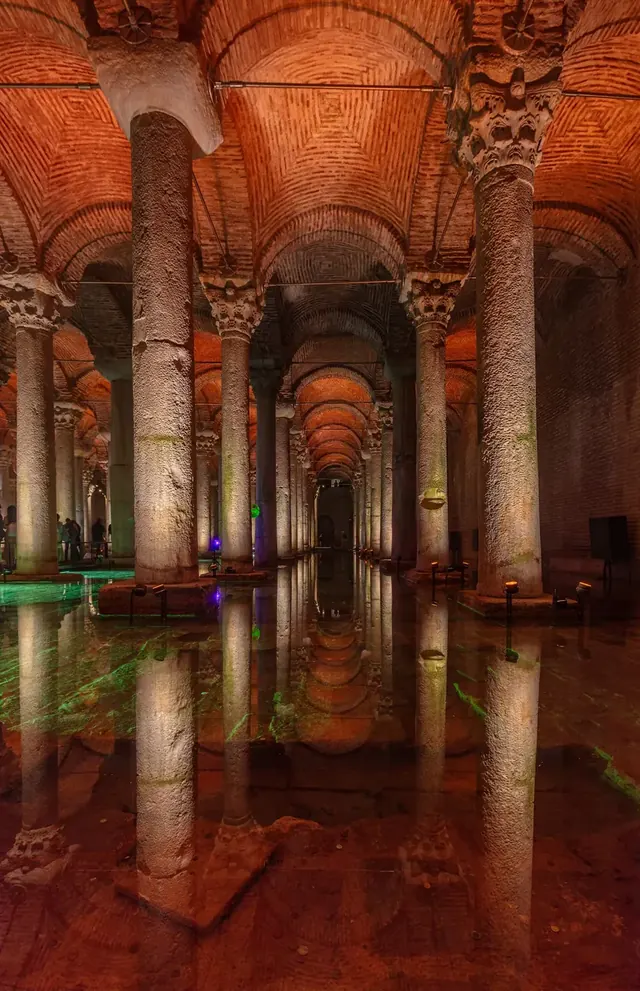
The dim Basilica Cistern, with its forest of columns and Medusa heads, is hard to shoot but rewarding. Skip the flash; use your phone's night mode or raise the ISO and hold your breath. Tripods are restricted in many museums, so brace yourself against a railing or column instead.
Inside Hagia Sophia, look for the seraphim on the pendentives and the giant calligraphy roundels; the upper gallery, which is ticketed for foreign visitors, gives a different view of the mosaics and the vast interior. The İznik tiles covering Rüstem Pasha Mosque are a treasure for detail shots.
The Golden Horn and the bazaars
- The Süleymaniye Mosque terrace: the Golden Horn, Galata Tower and the mouth of the Bosphorus in one frame, magnificent at sunset; see our sunset spots guide.
- The Galata Bridge: silhouettes of anglers with the New Mosque and Süleymaniye behind. From the lower level, frame the view through the bridge's arches.
- The Grand Bazaar: painted vaults, hanging lamps and colourful displays; the aisles are emptiest as shops are opening.
- The Spice Bazaar: the spice pyramids are irresistible; asking the shopkeeper first is polite and usually earns you a smile.
Sea walls and seasonal shots
Just below our hotel on the Kennedy Avenue seafront, the sea walls and the ruins of the Bukoleon Palace show a different side of Byzantium, glowing warm in the morning sun. In spring, Gülhane Park fills with tulips; go early in April to photograph the flowerbeds before the crowds.
Photographing respectfully
- Do not take photos during prayer times, never walk in front of people praying, and do not photograph worshippers up close.
- No flash and no loud talking inside mosques; see our mosque etiquette guide for dress and visiting rules.
- Ask before photographing people, especially women and children; a smile and a gesture usually does it.
- Some costumed street vendors may expect a purchase or tip in return for a photo.
- Drone flights over the historic peninsula require permission; do not fly without it. Commercial shoots also need permits.
Frequently asked questions
When is the best time for crowd-free photos in Sultanahmet?
The first hours after sunrise. Before tour groups arrive, the square and surrounding lanes are almost empty.
Can I take photos inside mosques?
Generally yes, outside prayer times. Do not use flash, do not photograph people praying and keep quiet.
How do I photograph the Basilica Cistern?
Use your phone's night mode or a high ISO instead of flash, and brace against something to stay steady. Tripods may be restricted.
Can I fly a drone in the Old City?
Drone flights require permission and there are restricted zones over the historic peninsula. Do not fly without authorisation.