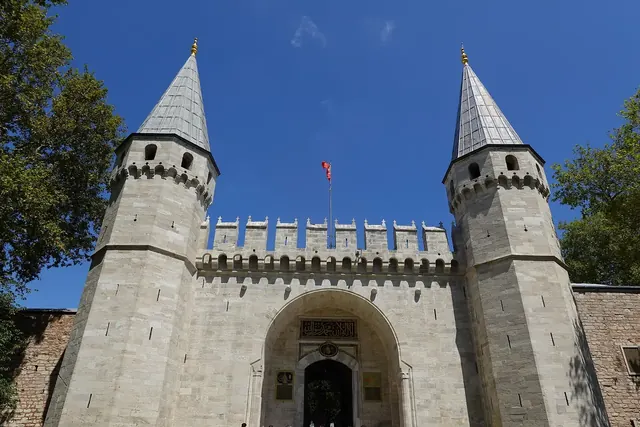
The Chamber of the Holy Relics (Kutsal Emanetler) in the third courtyard of Topkapı Palace holds objects associated with the Prophet Muhammad and other key figures of Islamic history. Most of them came to Istanbul after Sultan Selim I's campaign in Egypt in 1517. Home to the Prophet's Mantle, the Holy Banner and the keys of the Kaaba, these rooms are the palace's most spiritual space for Muslims and its quietest, most moving corner for every visitor.
On this page6
How the relics came to Istanbul
In 1516–1517 Sultan Selim I, known as Yavuz (“the Stern”), defeated the Mamluk Sultanate and brought Syria, Palestine and Egypt under Ottoman rule. Soon afterwards the Sharif of Mecca recognised Ottoman authority and, according to tradition, sent the sultan the keys of the holy city. Selim took the title Servant of the Two Holy Sanctuaries (Mecca and Medina), and objects associated with the Prophet that were kept in Cairo were brought to Istanbul.
The collection kept growing over the centuries. As the Kaaba's coverings and locks were renewed, the old pieces were sent to Istanbul. According to historical accounts, during the First World War some of the sacred objects of Medina were also brought to the capital for safekeeping. The relics are kept in the Privy Chamber (Has Oda), the sultan's private apartment built under Mehmed II after the conquest.
Highlights of the collection
- The Blessed Mantle (Hırka-i Saadet): the Prophet's cloak. According to tradition, he gave it to the poet Ka'b ibn Zuhayr in return for a poem of praise. It is kept in a golden chest in a room of its own; visitors see the room and the chest rather than the mantle itself.
- The Holy Banner (Sancak-ı Şerif): a banner believed to have belonged to the Prophet. In Ottoman times it was carried on major campaigns and unfurled ceremonially in times of war, reportedly for the last time at the start of the First World War.
- Hairs from the beard and a tooth fragment: hairs believed to be from the Prophet's beard, and part of a tooth traditionally said to have been broken at the Battle of Uhud, displayed in ornate cases.
- The seal and a letter: a seal attributed to the Prophet and a letter believed to have been sent to one of the rulers of his time.
- Swords: swords attributed to the Prophet, the four caliphs and other companions are among the most striking objects.
- Relics of the Kaaba: keys and locks of the Kaaba, door curtains, a golden rain gutter (Mizab al-Rahma) and silver casings made for the Black Stone.
- Objects linked to earlier prophets: by tradition, items such as the staff of Moses and the turban of Joseph are also displayed. Historians debate the origins of some pieces, but the spiritual meaning they have carried for centuries is beyond question.
The tradition of continuous Qur'an recitation
Often the first thing you notice as you enter is a sound: the Qur'an recited live by a hafız, someone who has memorised it. According to tradition, Selim I ordered that the Qur'an be recited day and night beside the Prophet's Mantle, a duty carried out for centuries by reciters working in shifts. The custom paused after the palace became a museum and was later revived; today you can hear the recitation throughout visiting hours.
In Ottoman times, on the fifteenth day of Ramadan each year, the sultan and his court visited this chamber in a ceremony known as the Visit to the Blessed Mantle. For other Ramadan traditions in the city, see Ramadan in Istanbul.
Etiquette and what to expect
The chamber is not a mosque, but for many visitors it feels just as sacred. The rooms are dimly lit and filled with whispers and the sound of recitation, so your behaviour directly shapes everyone else's experience.
- Photos and video: photography and filming are generally prohibited in the relics section, and staff enforce this carefully.
- Quiet: speak softly and silence your phone. Guided groups usually do their explaining outside.
- Dress: a headscarf is not required, but clothing that covers shoulders and knees is a sign of respect. Many Muslim women choose to cover their hair here.
- Flow: do not block the display cases for long; when it is crowded, keep the line moving.
- Prayer: Muslim visitors often quietly send blessings on the Prophet or say a prayer; other visitors need only respect these moments.
Planning your visit
The relics chamber is in the third courtyard of Topkapı Palace and is part of the palace's main visitor route; the Harem is a separate section. Expect long queues at weekends, during religious holidays and in Ramadan; early morning is the calmest time. Check current opening times and ticketing with official sources, and see our museum pass guide for pass options.
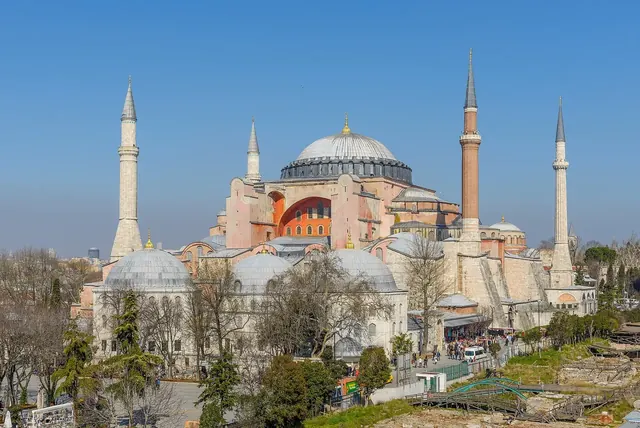
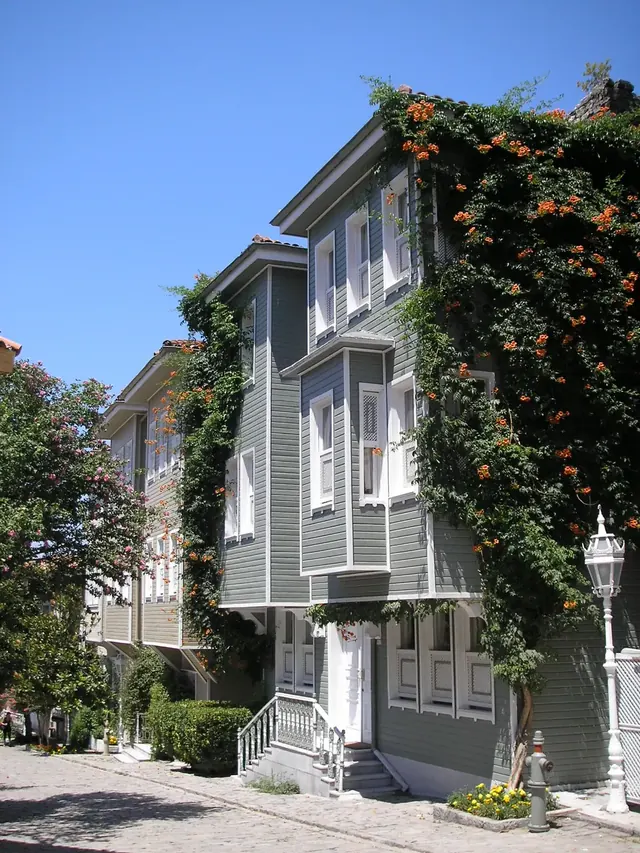
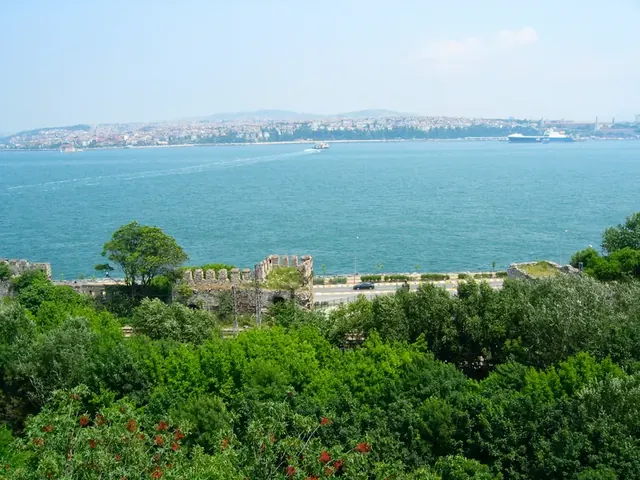
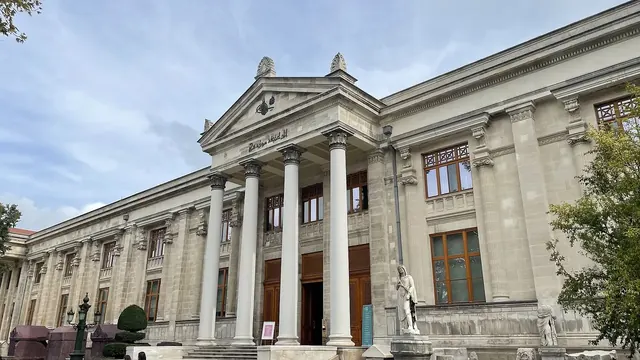
The palace is an easy walk from our hotel: cross Sultanahmet Square, pass Hagia Sophia to reach the Imperial Gate, and on the way back stroll down Soğukçeşme Street along the palace walls to rest in Gülhane Park. You can add the Istanbul Archaeology Museums on the same day.
Further reading
To decode the inscriptions and ornament on the relic cases, read our guide to Islamic calligraphy and tiles, and for other spiritual sites in the city see Istanbul for Muslim travellers. Istanbul also has a second revered mantle, kept at the Hırka-i Şerif Mosque in the Fatih district and traditionally opened to visitors during Ramadan.
Frequently asked questions
Do I need a separate ticket for the Holy Relics?
The chamber is part of the main visitor route of Topkapı Palace, while the Harem is a separate section. Check current ticketing with official sources before your visit.
Can I take photos in the Holy Relics chamber?
Generally no. Photography and filming are prohibited in this section, and staff enforce the rule.
Can I see the Prophet's Mantle?
The mantle is kept in a golden chest in its own room. Visitors can see the room and the chest, but not the mantle itself.
Is the Qur'an recitation really live?
Yes. Reciters read the Qur'an live throughout visiting hours, continuing a tradition of uninterrupted recitation traced back to Sultan Selim I.