Fatih and Zeyrek sit on the Historic Peninsula's fourth hill, a conservative, lively part of Istanbul that lives well away from the tourist centre. The mosque and tomb of Mehmed the Conqueror, the Zeyrek Mosque converted from the Byzantine Pantokrator Monastery and the 4th-century Aqueduct of Valens are all within walking distance of each other. Its markets and regional Anatolian food show a very different side of the city.
On this page7
A neighbourhood for locals, not tour groups
In Fatih you meet everyday Istanbul rather than crowds of visitors. Older men chatting in mosque courtyards, bookshop windows full of religious texts and calligraphy, extended families out shopping and students leaving the madrasas are typical scenes. It is known as one of Istanbul's most conservative districts: welcoming to guests, but expecting respect for local sensibilities.
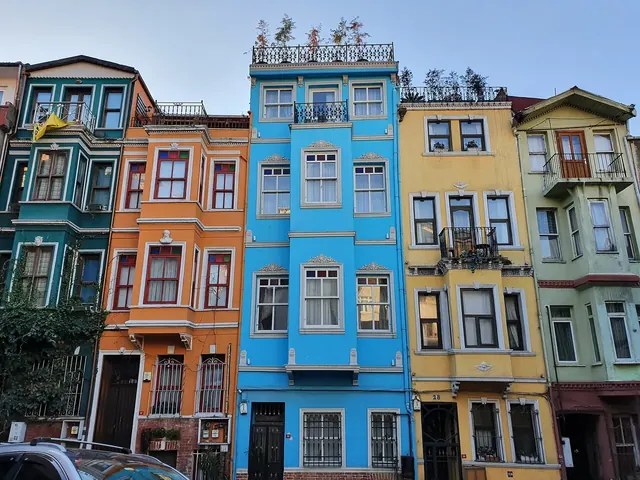
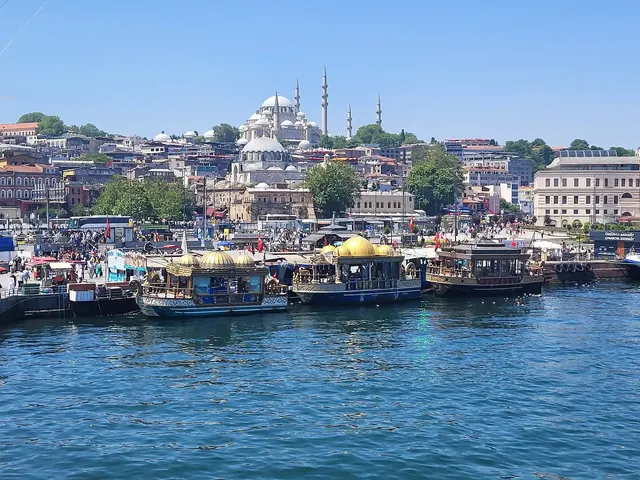
Zeyrek, on the slope overlooking the Golden Horn, is a quieter world of timber houses and steep lanes. It is one of the areas included in the UNESCO World Heritage listing of Istanbul's historic areas. The view of the Golden Horn and the Süleymaniye skyline between its houses is the neighbourhood's loveliest surprise.
From the Church of the Holy Apostles to the Conqueror's mosque
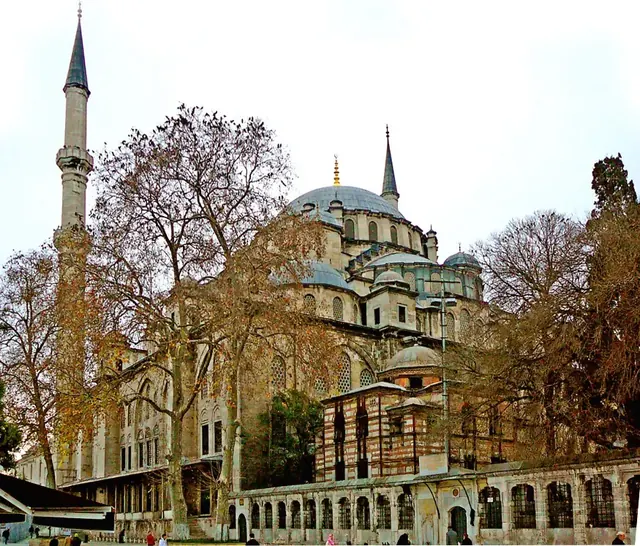
The Fatih Mosque was built in 1463–1470 on the site of the Church of the Holy Apostles, where Byzantine emperors were buried for centuries. The original mosque was largely destroyed in the earthquake of 1766 and rebuilt to a different plan under Sultan Mustafa III; the building you see today is that second mosque. The tomb of Mehmed the Conqueror stands in the garden behind the prayer wall.
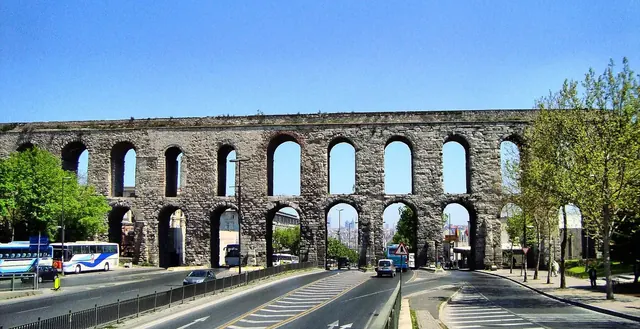
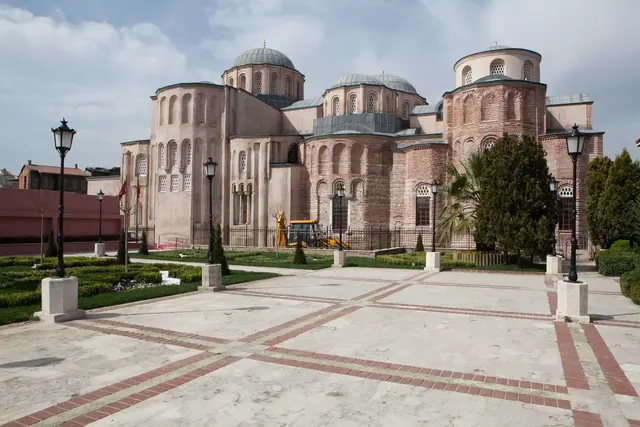
The Zeyrek Mosque is made up of the linked churches of the Pantokrator Monastery, founded in 1118–1136 by Emperor John II Komnenos and Empress Irene and used as the burial place of the Komnenian dynasty. Named after Molla Zeyrek, a scholar who taught here after the conquest, it reopened for worship after a long restoration. South of the district, the Aqueduct of Valens was completed in the 4th century and kept carrying water into the city through the Ottoman era.
What to see in Fatih and Zeyrek
- Fatih Mosque: the heart of the district, with a vast courtyard, madrasas and the tomb of Mehmed the Conqueror.
- Zeyrek Mosque (Pantokrator Monastery): one of the most important middle-Byzantine monastic buildings still standing in Istanbul.
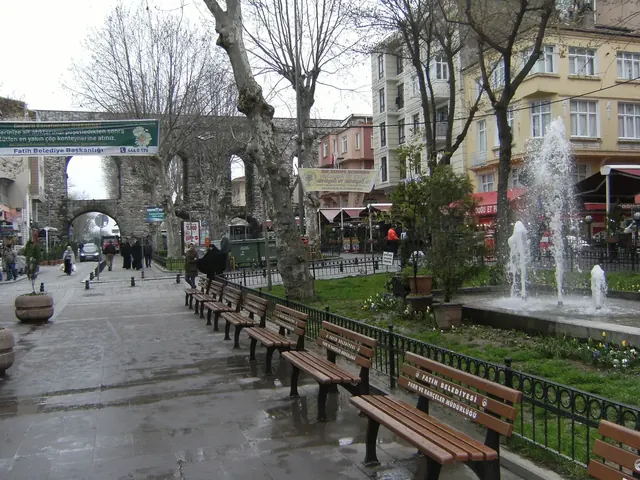
- Aqueduct of Valens: its two tiers of arches stride over Atatürk Boulevard, one of the city's most photogenic Roman structures.
- Saraçhane Archaeological Park: the foundations of the Church of St Polyeuktos, built in the 6th century by the aristocrat Anicia Juliana.
- The Women's Bazaar: a small square at the foot of the aqueduct, famous for produce and food from south-eastern Turkey.
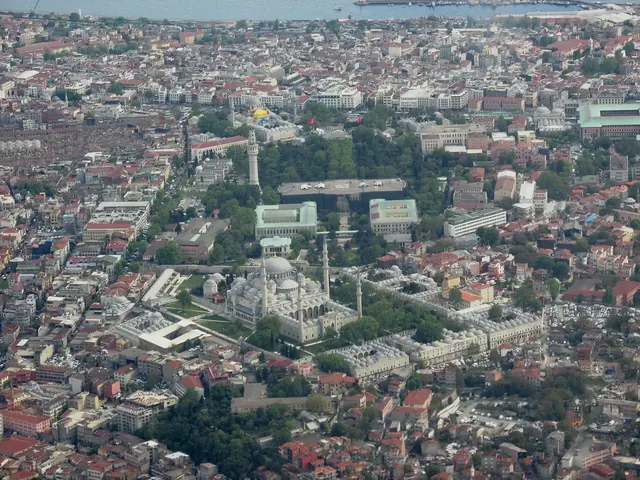
- At the eastern edge, Sinan's Şehzade Mosque and the Süleymaniye district are an easy walk away.
Walk: from the aqueduct up to the Zeyrek slopes
- Walk from the Şehzade Mosque to the Aqueduct of Valens and pass beneath the arches to see the two-tiered structure up close.
- Stop at the Women's Bazaar on the north side of the aqueduct and browse the spice and honey stalls.
- Head east and climb into Zeyrek's lanes of timber houses; take in the Golden Horn view from the terrace in front of the Zeyrek Mosque.
- Walk west to the Fatih Mosque and explore the courtyard, madrasas and tomb.
- If it's a Wednesday, finish by wandering through the market that spreads through the streets around the mosque.
Women's Bazaar food: büryan, perde pilavı and tandır bread
Food in Fatih tastes more of Anatolia than of Istanbul. The Women's Bazaar area at the foot of the aqueduct is known for the cooking of Siirt and south-eastern Turkey: büryan, lamb slow-roasted for hours in a pit oven; perde pilavı, rice with chicken and almonds baked inside a thin pastry shell; and fresh flatbread from the tandır oven.
The market stalls sell dried peppers and aubergines, herbed cheese, mountain honey and spices, and restaurants across the district serve Black Sea-style pide and home cooking from many regions of Anatolia. Local food culture here is alcohol-free, so families tend to feel very much at ease.
Notes for families
Modest, covered clothing makes mosque visits easier and shows respect for local sensibilities. The Wednesday market is extremely crowded, so keep small children close and consider a baby carrier rather than a pushchair.
The large courtyard of the Fatih Mosque and the park at Saraçhane are good spots for children to play and rest. The boulevard beneath the aqueduct is busy with traffic, so use the pedestrian crossings.
Getting there from Sareban Hotel
Walk from our hotel to the Sultanahmet stop and take the T1 tram west to Laleli–Üniversite. From there, a walk of about 15 minutes along Şehzadebaşı brings you to the Aqueduct of Valens. A taxi is also a practical option.
To combine the area with Süleymaniye, see Süleymaniye first and then walk past the Şehzade Mosque to the aqueduct. The easiest way back is the tram from Laleli–Üniversite.
Frequently asked questions
Where and when is the Fatih Wednesday market?
As the name suggests, it is held on Wednesdays in the streets around the Fatih Mosque, selling everything from fruit and vegetables to clothes, fabrics and household goods.
Can visitors go inside the Zeyrek Mosque?
As a working mosque it welcomes visitors outside prayer times. Arrangements after the restoration may change, so check current information before you go.
How does Fatih differ from Sultanahmet?
Sultanahmet is the district of great monuments and visitors; Fatih is a lived-in neighbourhood where markets and local life take centre stage. Seeing both gives you a far fuller picture of the Historic Peninsula.