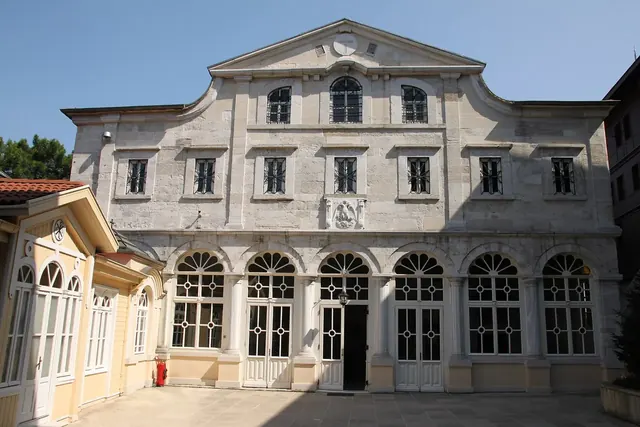
The Ecumenical Patriarchate of Constantinople, officially the Fener Greek Orthodox Patriarchate in Turkey, is one of the most important centres of Orthodox Christianity and has been based in the Fener district on the Golden Horn since 1601. Its modest-looking Church of St George holds a gilded iconostasis, Byzantine icons and relics venerated across the Orthodox world, and respectful visitors are welcome outside service times.
On this page5
A patriarchate on the move
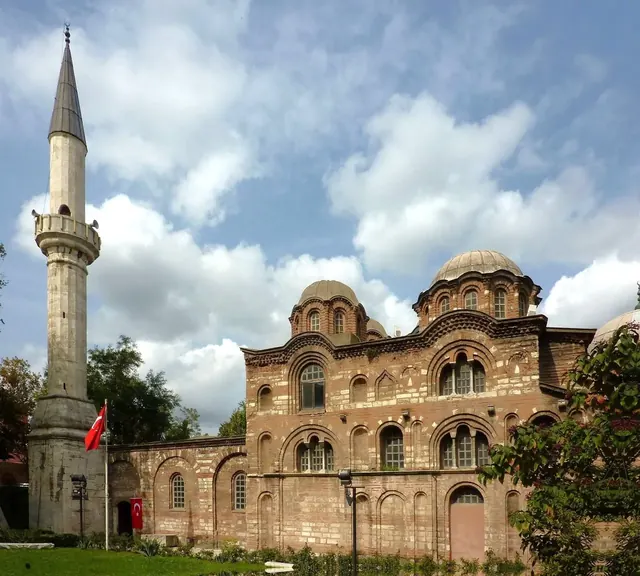
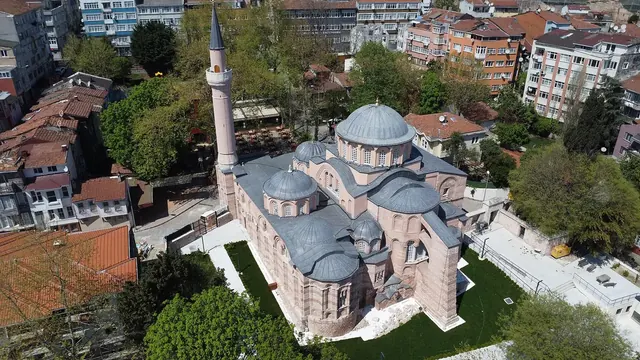
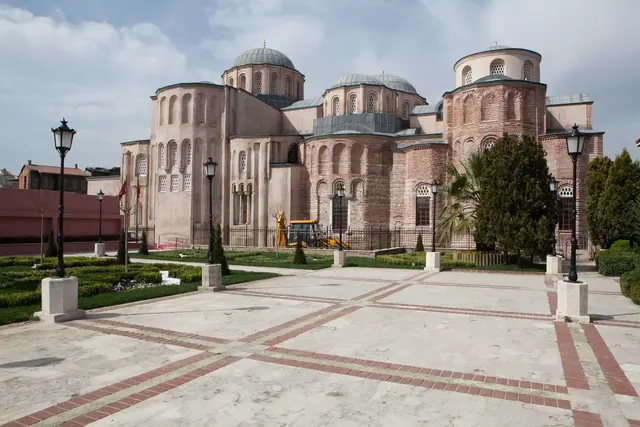
The Patriarchate of Constantinople dates back to the early centuries of Byzantium, when its cathedral was Hagia Sophia. After the conquest, Mehmed II recognised Gennadios Scholarios as patriarch, and the patriarchate moved first to the Church of the Holy Apostles and soon after to the Pammakaristos Church. Leaving Pammakaristos in 1587, it spent a few years in other churches before settling at St George in Fener in 1601, where it has remained ever since.
The Ecumenical Patriarch holds a historic primacy of honour among the Orthodox churches. The present church largely dates from a rebuilding in 1720, with 19th-century renovations, and in keeping with Ottoman-era rules it is a plain basilica without a dome, so do not expect a grand exterior.
The gate closed since 1821
The main gate of the patriarchate compound has stayed shut for around two centuries. After the Greek War of Independence broke out in 1821, Patriarch Gregory V was hanged in front of it, and the gate was sealed in his memory. Visitors enter through a side door. It is a sensitive chapter of shared history that means different things to different communities, so approach it with care.
Inside the Church of St George
- The gilded iconostasis: a richly carved and gilded wooden icon screen, the church's most striking feature.
- The patriarchal throne: an ornately carved wooden throne which tradition dates to a very early period.
- Byzantine mosaic icons: portable mosaic icons, including one of the Theotokos Pammakaristos.
- Relics: those of St John Chrysostom and St Gregory the Theologian, returned from Rome in 2004, and relics associated with St Euphemia, Empress Theophano and St Solomone.
- The Column of the Flagellation: according to Christian tradition, part of the column at which Christ was scourged.
Visiting respectfully
The patriarchate is a living place of worship. Services are held on Sunday mornings and feast days; you are welcome to stand quietly at the back, but do not walk around or take photos during the liturgy. Modest clothing covering shoulders and knees is appropriate, and there may be a security check at the gate. At Easter and other great feasts, pilgrims come from all over the world and the compound gets very busy.
Just uphill, the red-brick tower of the historic Greek school rises above the neighbourhood, visible even from the Golden Horn and one of the classic views of Fener.
Getting there from Sareban Hotel
From the hotel, take the T1 tram to Eminönü and catch the Golden Horn ferry to Fener; the patriarchate is a few minutes' walk from the landing. Buses along the Golden Horn shore from Eminönü, or a taxi, are easy alternatives.
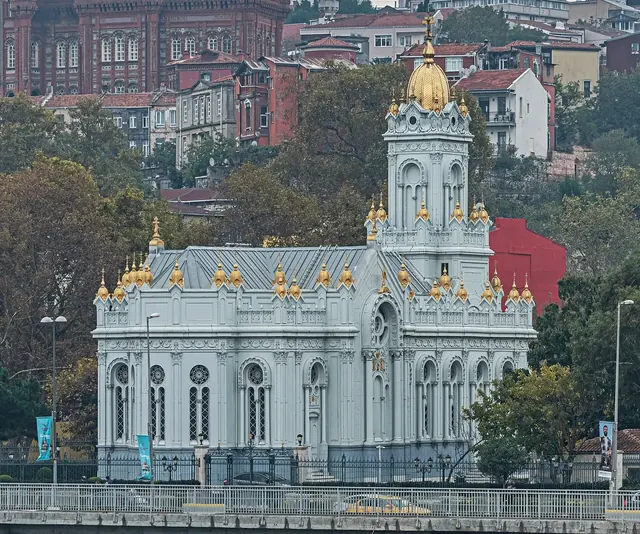
Combine it with the Pammakaristos Church, the Bulgarian St Stephen Church on the waterfront and the lanes of Balat and Fener to see Istanbul's multi-faith past in a single walk.
Frequently asked questions
Can tourists visit the Ecumenical Patriarchate?
Yes. The Church of St George is open to visitors outside service times, though access may be limited on special occasions or for security reasons.
Is there a dress code?
There is no strict rule, but modest clothing covering shoulders and knees is expected.
Why is the main gate closed?
Patriarch Gregory V was hanged at the gate in 1821, and it has been kept shut in his memory ever since.