March is Istanbul's hinge between winter and spring: daytime highs usually range from 8 to 14 °C, and a sunny day can be followed by a cold, wet one. With the spring crowds still to come, it is a smart month for the hilly, walk-heavy neighbourhoods along the Golden Horn such as Balat, Fener and Eyüp.
On this page5
March weather: spring one day, winter the next
Typical highs are around 8–14 °C, with nights of 3–7 °C. The first half of the month can still bring short cold snaps and, in some years, a dusting of snow; locals even have a folk name for these late chills, kocakarı soğuğu, roughly the old woman's cold. Towards the end of March, mild sunny days become more common.
Rain is still frequent but tends to come in shorter showers. Days lengthen noticeably, and late-afternoon walks become pleasant again.
Crowds and travel conditions
- Pro: These are the last quiet weeks before the April and May rush, so museums and mosques are comfortable.
- Pro: Longer days make outdoor routes practical again.
- Con: Forecasts are unreliable; keep an indoor back-up for every day.
- Commemoration: 18 March is Çanakkale (Gallipoli) Victory and Martyrs' Remembrance Day. It is not a public holiday, but ceremonies are held at schools and public institutions.
- Ramadan note: Ramadan and Eid al-Fitr move about 11 days earlier each year and fall in March in some years. Travel within the city gets busier over the Eid holiday, so check the dates in advance. More in our Ramadan in Istanbul guide.
What to wear: layers, layers, layers
Layers you can peel off and put back on are the key: a T-shirt or light shirt, a fleece or cardigan, and a light water-resistant jacket on top. You can be warm in the sun and chilly in the shade within the same hour. A compact umbrella and comfortable waterproof walking shoes will earn their place on Balat's steep streets.
For mosque visits, choose clothes that cover knees and shoulders, and women should carry a light scarf. Signs at mosque entrances also summarise the rules.
Things to do: Golden Horn neighbourhoods and first blossoms
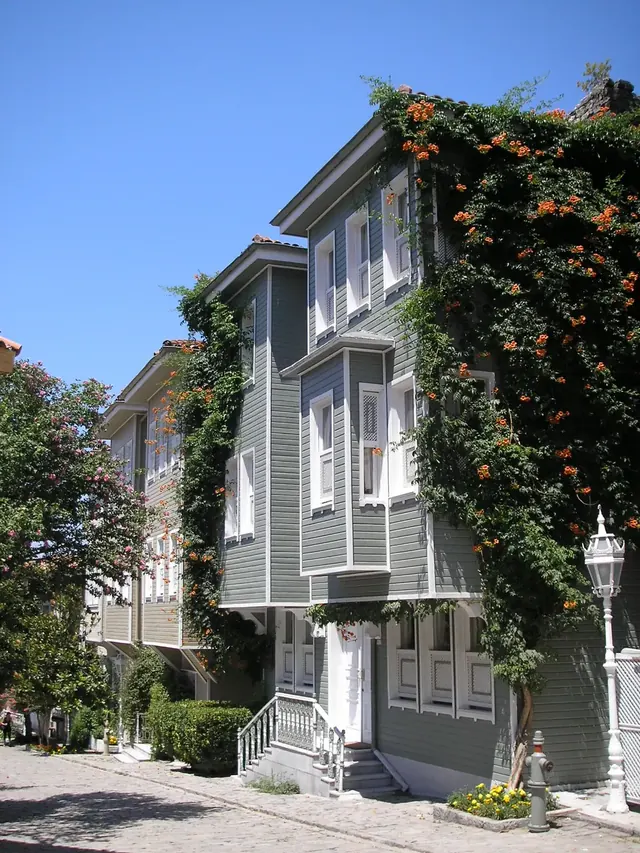
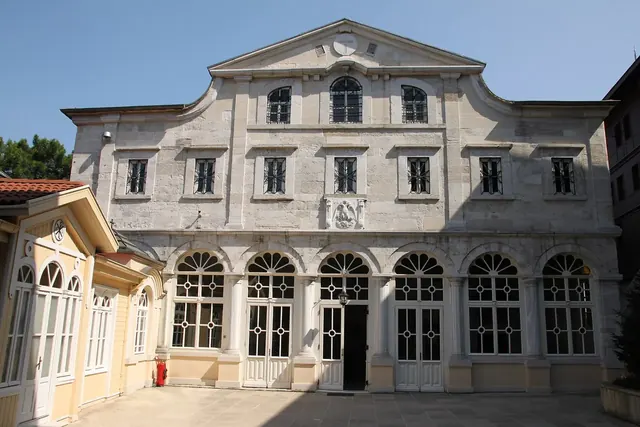
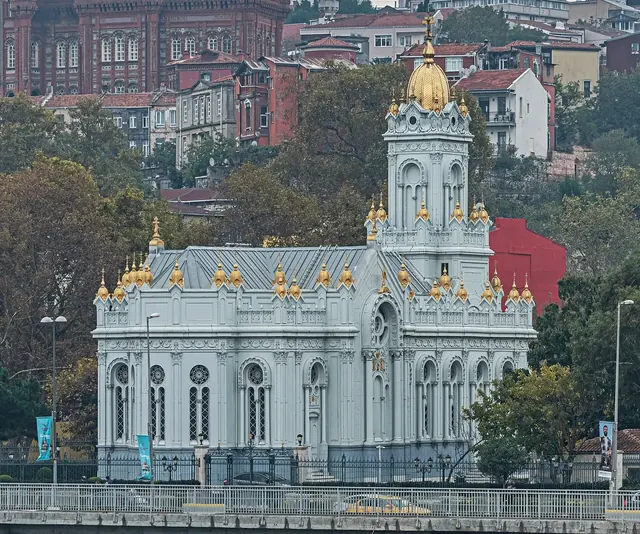
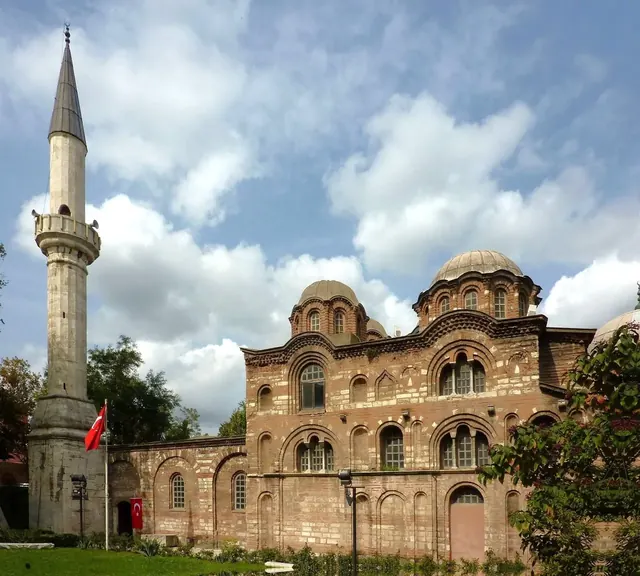
March is made for Balat and Fener: colourful houses with bay windows, steep lanes and neighbourhoods where different faiths have lived side by side for centuries are best explored in cool spring air rather than summer heat. Highlights include the Ecumenical Patriarchate, the cast-iron Bulgarian St Stephen Church and the Fethiye Mosque, known for its Byzantine mosaics.
Late in the month Gülhane Park starts to wake up, with early blossom on the fruit trees and beds being prepared for April's tulips. Timing varies from year to year, so don't expect a fixed date. At market stalls, look for the first green almonds and sour green plums, a local spring snack.
Two March plans
The first is a full day along the Golden Horn; the second is a gentle half-day close to our hotel.
- Golden Horn day, morning: Balat's colourful streets, St Stephen Church and the Ecumenical Patriarchate.
- Golden Horn day, midday: The Fethiye Mosque, then a soup or pide break near the water.
- Golden Horn day, afternoon: The Eyüp Sultan Mosque, followed by the view over the Golden Horn from Pierre Loti Hill.
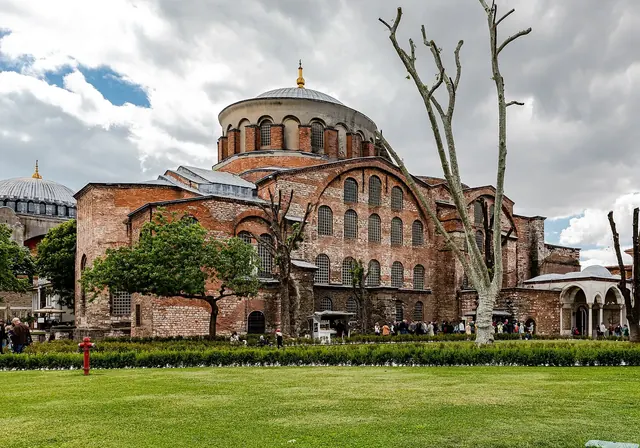
- Half-day: Early blossoms in Gülhane Park, the wooden houses of Soğukçeşme Street and Hagia Irene in Topkapı's first courtyard.
Frequently asked questions
Is March a good time to visit Istanbul?
Yes, especially if you want to avoid crowds and enjoy walking routes in cool weather. The weather is changeable, so flexible plans and layered clothing are a must.
Are the tulips out in March?
The main tulip display is usually in April. You may spot a few early blooms at the end of March, but for the peak see our Istanbul in April guide.
Can I swim or visit the Princes' Islands in March?
The sea is far too cold for swimming. You can still take the ferry to the islands for a day, but expect cool weather and some off-season services.