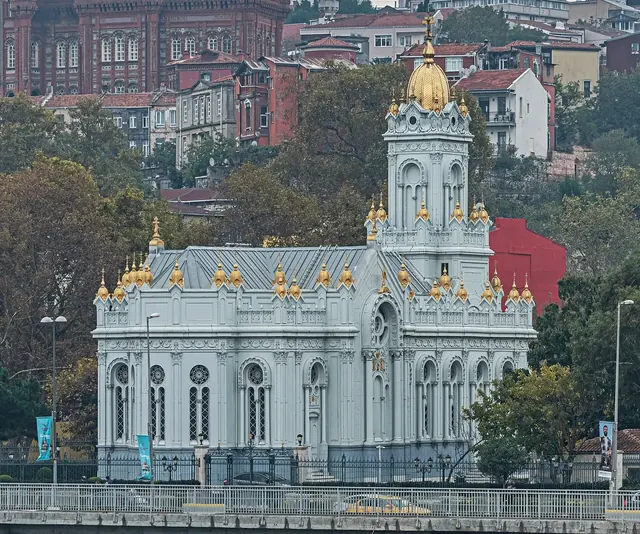
The Bulgarian St Stephen Church is a remarkable Orthodox church on the Golden Horn waterfront in Balat, built almost entirely of prefabricated cast iron. Its parts were made in Vienna and shipped via the Danube and the Black Sea, it was consecrated in 1898, and after a long restoration it is again one of the most surprising sights in the old city.
On this page5
The heart of Istanbul's Bulgarian community
In the 19th century Istanbul drew merchants, craftsmen and students from across the Balkans, including a sizeable Bulgarian community. In 1849 a wooden church went up on the Golden Horn shore, on land donated by Stefan Bogoridi, a Bulgarian-born dignitary at the Ottoman court. It became the focus of the campaign for a Bulgarian church with its own hierarchy and liturgy in Bulgarian.
That campaign succeeded in 1870, when a decree of Sultan Abdülaziz established the Bulgarian Exarchate. The small church in Balat thus became one of the most symbolic places in modern Bulgarian history, and senior clergy of the Exarchate are buried in its garden.
Why iron? A church from Vienna
When the wooden church needed replacing, the soft, reclaimed ground by the water made a heavy masonry building risky. The Ottoman Armenian architect Hovsep Aznavur designed a lighter solution: a steel frame clad in cast-iron panels.
The components were cast at a Viennese foundry, shipped down the Danube and across the Black Sea, and then bolted and riveted together on site. The church was consecrated in 1898. After more than a century of fighting rust in the salty air, it reopened in early 2018 following a seven-year restoration supported jointly by Turkey and Bulgaria.
What to look for
- The neo-Gothic exterior: pointed windows, a bell tower and crosses on the domes; look closely at the walls and you realise the “stone” is painted metal.
- Faux-marble walls: inside, iron panels are skilfully painted to look like marble and wood.
- Iconostasis and icons: a gilded icon screen, colourful icons and chandeliers create a rich interior.
- Gallery and columns: slender cast-iron columns and an upper gallery reveal the industrial-age engineering.
- The waterfront garden: a small park facing the Golden Horn, the best spot to photograph the whole building.
Visiting etiquette
St Stephen is an active Bulgarian Orthodox church. During Sunday and feast-day services, keep quiet, avoid photography and do not walk in front of worshippers. Clothing covering shoulders and knees is appropriate. There is normally no ticket, and donations towards upkeep are welcome. Visiting hours can change, so check before you go.
Getting there from Sareban Hotel
Take the T1 tram from near the hotel to Eminönü, then the Golden Horn ferry to Fener or Balat; the church sits right on the coast road between the two landings. Buses heading along the Golden Horn towards Balat and Eyüp, or a taxi, will also drop you nearby.
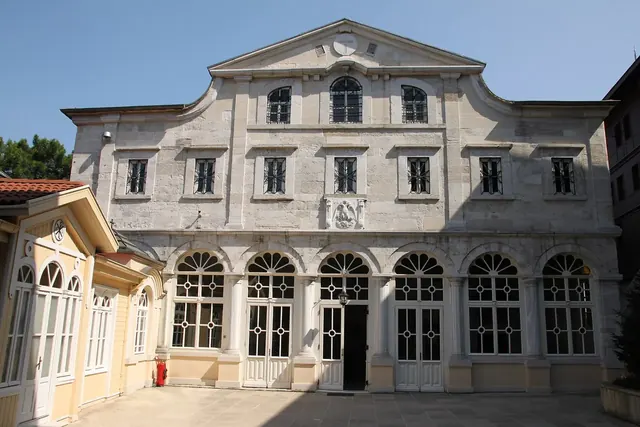
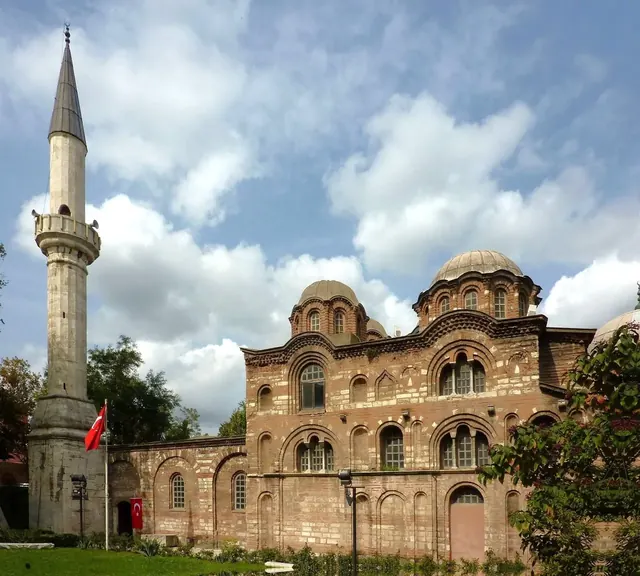
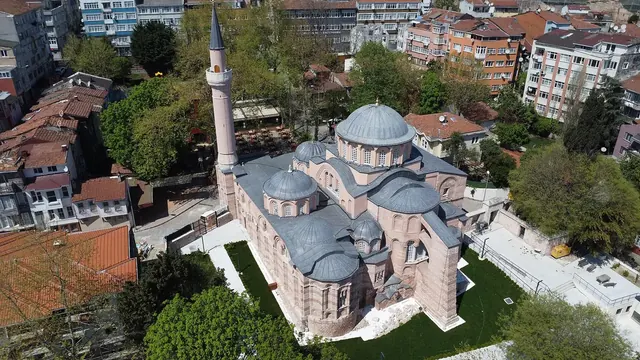
The Ecumenical Patriarchate and the Pammakaristos Church are within walking distance. Continue along the Golden Horn to the family-friendly Rahmi M. Koç Museum, or take the ferry on to Eyüp Sultan Mosque.
Frequently asked questions
Is St Stephen Church really made of iron?
Yes. It consists of cast-iron panels mounted on a steel frame; the parts were made in Vienna and assembled in Istanbul.
Is there an entrance fee?
Usually no ticket is required and donations are welcome. Access may be limited during services and special events.
Is it close to the Ecumenical Patriarchate?
Yes, the two are a short, flat walk apart in the Fener–Balat area.