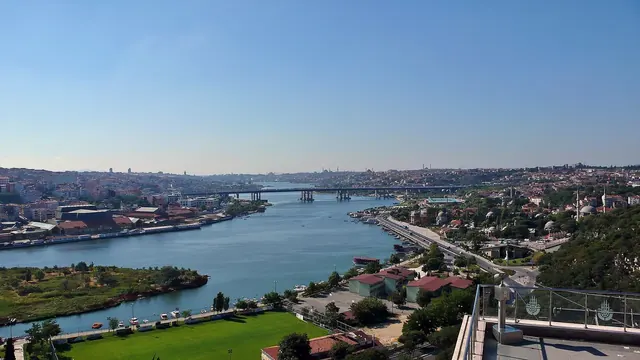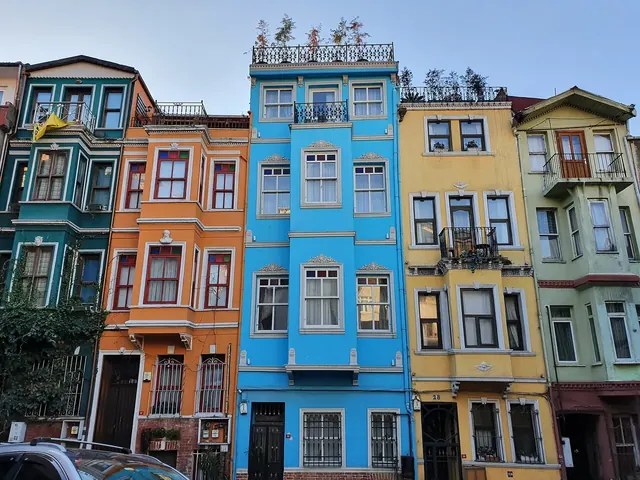
Balat and Fener are two neighbouring historic quarters on the southern shore of the Golden Horn, where Greek, Jewish, Armenian, Bulgarian and Muslim communities lived side by side for centuries. With steep lanes of colourful houses, the Ecumenical Patriarchate, the cast-iron Bulgarian church and the Byzantine mosaics of the Fethiye Mosque, it is one of Istanbul's most photogenic areas. It lies a little outside the historic centre but is well worth half a day.
On this page7
Painted façades, steep lanes and baskets on ropes
The first thing you notice in Balat is colour: houses with bay windows painted mustard, dusty pink, sky blue and green, lined up along cobbled lanes that tumble towards the Golden Horn. Washing hangs from windows, older residents lower baskets on ropes to the grocer below and children play football in the street, reminders that this is still very much a lived-in neighbourhood.
In recent years small cafés, antique dealers and design shops have opened on the ground floors of restored houses, and at weekends the lanes fill with people taking photos. Fener, next door, feels more reserved: the streets around the Patriarchate are quiet and orderly in the shadow of a great red-brick school.
The quarter of a patriarchate, a synagogue and an iron church
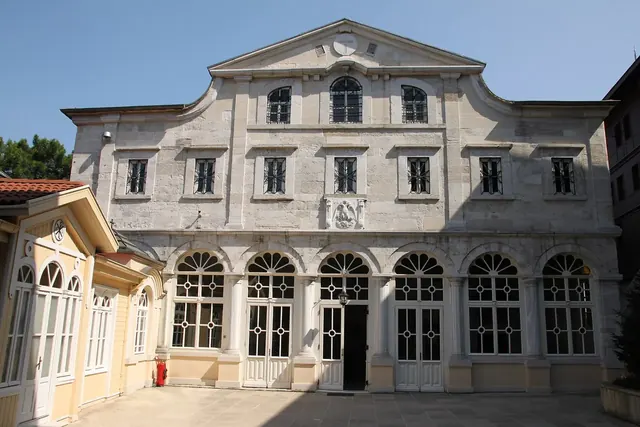
Since the early 17th century, Fener (the Phanar) has been the seat of the Ecumenical Patriarchate of Constantinople. In the 18th century the Greek families who held high Ottoman offices, as official interpreters and as princes of Wallachia and Moldavia, became known as Phanariots after this neighbourhood. The red-brick Phanar Greek Orthodox College on the hilltop, built in the late 19th century, is one of the landmarks of the Golden Horn skyline.
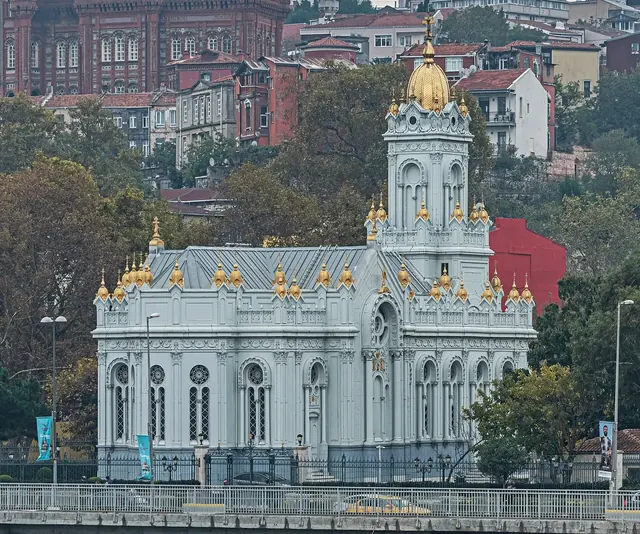
Balat was home to a Jewish community from Byzantine times, joined by Sephardic Jews who arrived from Spain after 1492. The Ahrida Synagogue, whose origins go back to the 15th century, is a living witness to that history. On the waterfront, the Bulgarian Church of St Stephen was prefabricated in cast iron in Vienna, shipped here in pieces and opened in 1898. The population changed greatly during the 20th century, and a restoration programme with international support in the 2000s helped bring the area back to life.
What to see in Balat and Fener
- Ecumenical Patriarchate (Church of St George): a spiritual centre of the Orthodox world, with a gilded wooden iconostasis and holy relics.
- Bulgarian Church of St Stephen (the Iron Church): one of the very few cast-iron churches in the world, gleaming inside since its restoration.
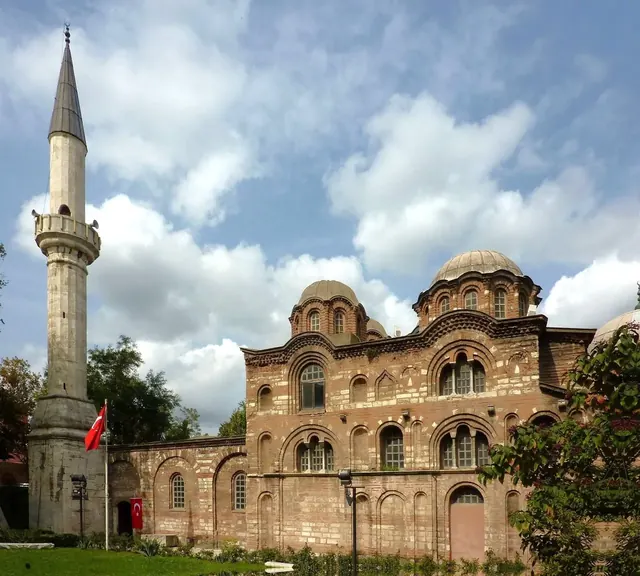
- Fethiye Mosque (Pammakaristos): its side chapel holds 14th-century Byzantine mosaics, among the finest in the city after the Chora.
- St Mary of the Mongols and the Phanar College: on the hilltop, the red-brick school and a small church used by the Greek community since Byzantine times; both are seen from outside.
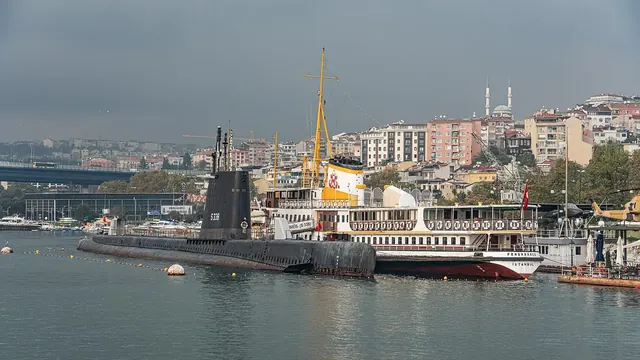
- Across the Golden Horn in Hasköy, the Rahmi M. Koç Museum: trains, planes, a submarine and classic cars, a big hit with children.
A hilly loop from Fener to Balat
- Start at the Patriarchate gate on the Fener waterfront and visit the Church of St George.
- Climb the stepped lanes behind it to the red-brick Phanar College and see St Mary of the Mongols from outside.
- Follow the ridge west to the Fethiye Mosque and visit its mosaic chapel.
- Wind down through Balat's colourful streets and explore the central lanes around the local market and the old synagogue.
- Return to the shore to see the Iron Church and rest in the waterfront park.
Breakfast spreads, börek and neighbourhood bakeries
Balat's food scene has grown up around breakfast. Generous spreads served in the gardens and windows of restored houses, with local cheeses, jams and hot gözleme, have become a weekend ritual for Istanbul families. Go on a weekday or early in the day to enjoy it without queuing.
The old neighbourhood bakeries still open early, turning out simit, soft açma rolls and cheese poğaça. Dishes that carry Balkan and Greek influences, such as layered su böreği, rolled börek and olive-oil vegetables, live on in local home cooking. After the steep lanes, an ice cream or a freshly squeezed juice goes down very well.
For families: hills, cobbles and respect for neighbours
Balat's steep cobbled lanes are hard work with a pushchair, so a baby carrier is far more practical. The easiest space for children is the grassy parkland along the Golden Horn shore, and the Rahmi M. Koç Museum across the water makes a great half-day family outing.
Remember that people live in these houses. Ask before photographing doorways, windows or children, and respect residents' privacy. The most popular streets can get very crowded on weekend afternoons.
Getting there from Sareban Hotel
The easiest option is a taxi from our hotel along the Golden Horn shore road to Fener. By public transport, take the T1 tram to Eminönü and change to one of the buses that follow the Golden Horn. The Golden Horn ferry line, which calls at Fener and Balat piers, is a pleasant alternative; check official sources for current sailings.
From Balat, an uphill walk of about 20 minutes brings you to Edirnekapı and the Chora, or you can continue north along the shore to Eyüp. To fit both into one day, set off early.
Frequently asked questions
How long do I need for Balat and Fener?
Half a day covers the main sights and the colourful streets. Add the Chora Mosque and the Tekfur Palace and you will want a full day.
Can visitors enter the Ecumenical Patriarchate?
The Church of St George generally welcomes respectful visitors outside services. There may be a security check; dress modestly and check current visiting arrangements.
Is Balat suitable for children?
Yes, but choose a baby carrier over a pushchair because of the hills and cobbles. The waterfront parks and the Rahmi M. Koç Museum are great stops for kids. More ideas in our Istanbul with children guide.