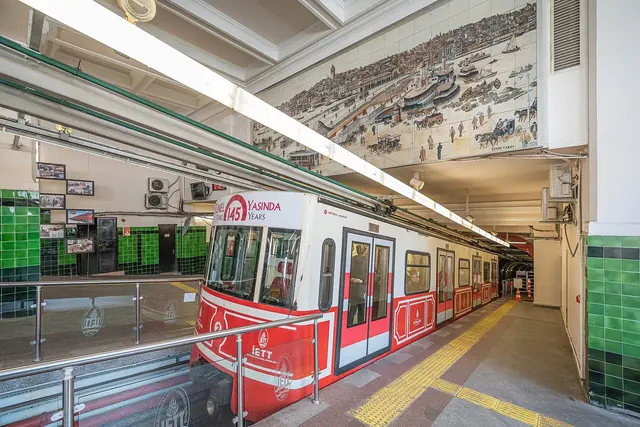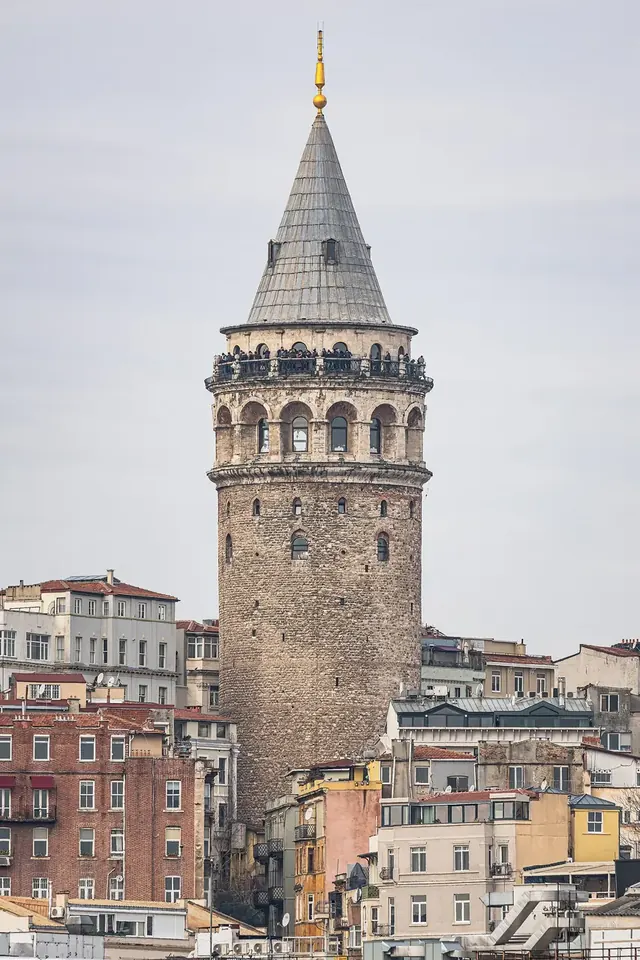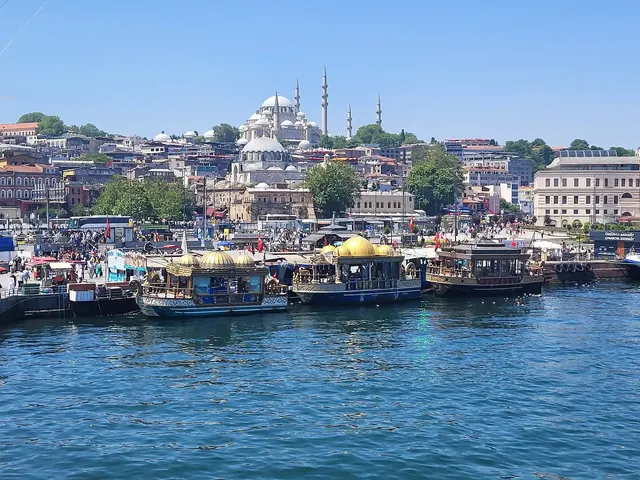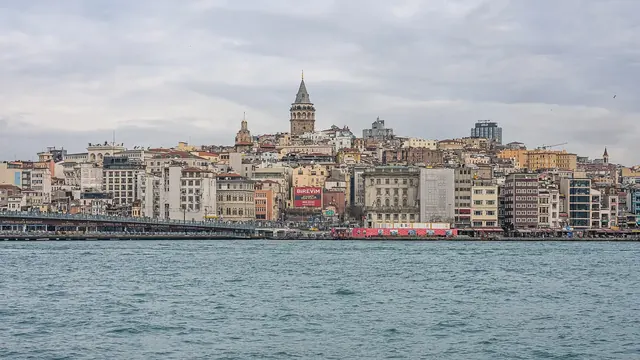
Galata and Karaköy form the old harbour district directly across the Galata Bridge from the historic peninsula, at the mouth of the Golden Horn. Galata began as a walled Genoese trading colony, and its medieval Galata Tower still dominates the skyline, while Karaköy below is a mix of grand banks, old warehouses and a newly opened waterfront. The tower, the dervish lodge, the historic Tünel and Istanbul Modern fit comfortably into a single day.
On this page7
A vertical neighbourhood built on trade
Galata runs uphill. From the ferry landing in Karaköy every street climbs, and staircases carry you from one level to the next. Down by the water, Karaköy has been the district of sailors, merchants and bankers for centuries; today hardware shops selling marine rope sit next to design studios and breakfast places.
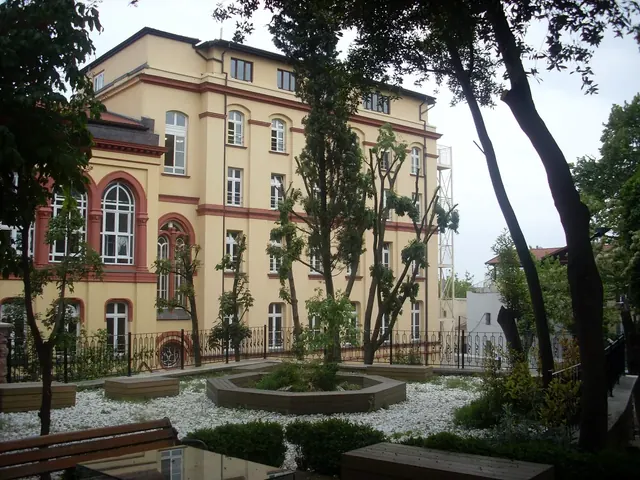
Up top, the square around the tower buzzes with street musicians and photographers. Walk one or two streets away and Galata changes character: stone apartment blocks, wrought-iron balconies and quiet courtyards that recall the district's nineteenth-century heyday.
From Genoese colony to Levantine port
Known in Byzantine times as Pera, simply 'the other side', the area was granted to the Republic of Genoa in the late thirteenth century. The Genoese turned it into a walled, self-governing trading post, and in 1348 they built the Christea Turris, today's Galata Tower. Legend, recorded by the traveller Evliya Çelebi, says that in the seventeenth century Hezarfen Ahmed Çelebi strapped on wings and glided from the tower across the Bosphorus to Üsküdar.
After 1453, Galata grew into a cosmopolitan port where Greek, Armenian, Jewish and European merchants lived side by side. The Galata Mevlevi Lodge, founded in 1491, was the first whirling-dervish lodge in the city, and İbrahim Müteferrika, who ran the first Ottoman Turkish printing press, is buried in its garden. In the nineteenth century Voyvoda Street became the Ottoman Empire's banking hub, and in 1875 the Tünel opened, one of the oldest underground railways in the world.
Highlights of Galata and Karaköy
- Galata Tower: the panoramic balcony takes in the Golden Horn, the historic peninsula and the mouth of the Bosphorus, with exhibition floors on the way up.
- Galata Mevlevi Lodge Museum: a wooden ceremonial hall, dervish cells and a cemetery of turban-topped gravestones; whirling ceremonies are held on set days.
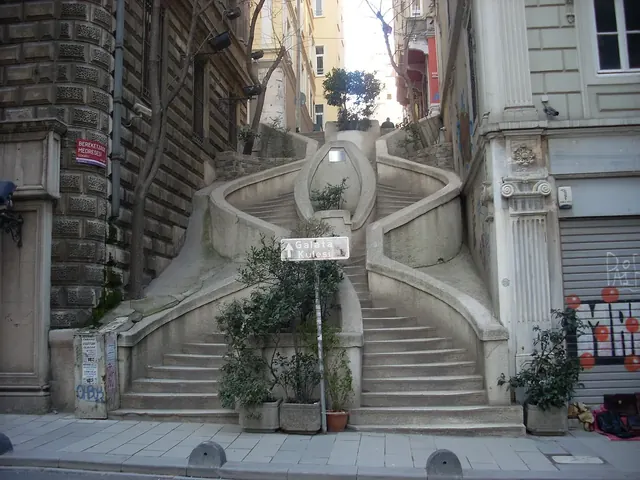
- Camondo Stairs: elegant curving steps commissioned by the Camondo banking family in the nineteenth century.
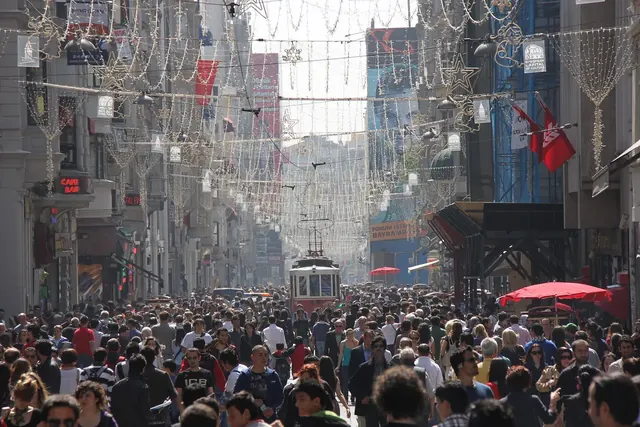
- Tünel: a short, historic underground ride from Karaköy up to the start of İstiklal Avenue.
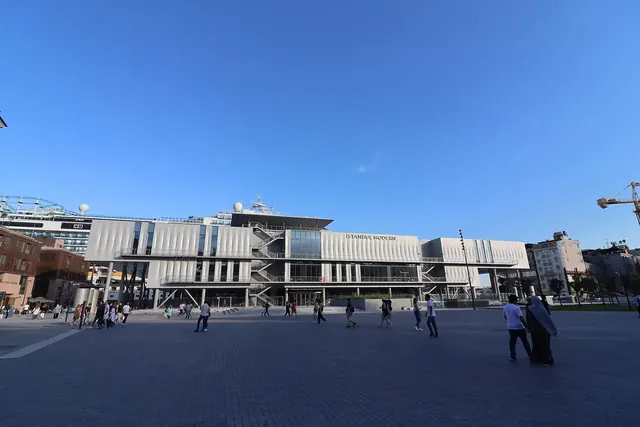
- Istanbul Modern and the Galataport waterfront: a museum building designed by Renzo Piano and a car-free public promenade along the cruise port.
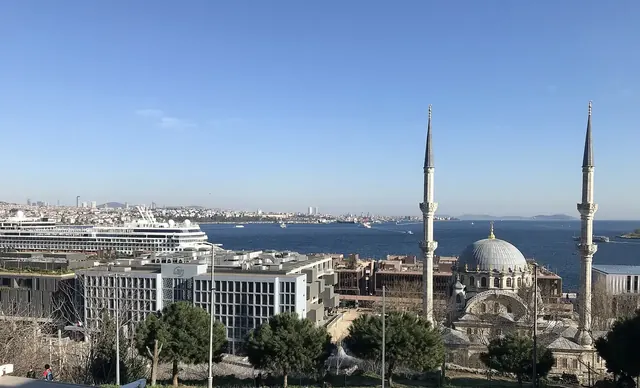
- Kılıç Ali Pasha Mosque: a late work by Sinan in Tophane, with a layout that echoes Hagia Sophia in miniature.
- Arap Mosque: originally a Dominican church from the Genoese era, its minaret still looks like a Gothic bell tower.
Suggested walk: Galata from the bottom up
- Take the tram to Karaköy, stroll the Galataport promenade for Bosphorus views and visit Istanbul Modern.
- See Kılıç Ali Pasha Mosque in Tophane, then walk along Voyvoda Street past the old bank headquarters.
- Climb the Camondo Stairs to Galata Tower; if the queue is long, explore the side streets while you wait.
- Continue up Galipdede Street to the Mevlevi Lodge, and ride the Tünel back down to Karaköy.
What to eat: baklava, börek and street snacks
Karaköy is one of Istanbul's great baklava neighbourhoods. Pistachio baklava, şöbiyet (cream-filled pastry) and layered su böreği are classic stops here. Near the ferry landing, street vendors sell simit and grilled corn on the cob. Galata's side streets are known for long, spread-out Turkish breakfasts and properly brewed Turkish coffee. For more on the sweet side of the city, see our guide to Turkish desserts.
Galata with children
Steep slopes and cobblestones make Galata hard work with a pushchair, so a baby carrier helps, or approach the tower from above by riding the Tünel. The traffic-free Galataport promenade gives children room to run, and Istanbul Modern sometimes runs family workshops. The tower balcony is narrow and can be crowded, so hold small hands. The whirling ceremony at the Mevlevi Lodge is long and meditative, which younger children may find hard to sit through.
Getting there from Sareban Hotel
Walk up to the Sultanahmet or Çemberlitaş tram stop; after Eminönü the tram crosses the Galata Bridge and stops in Karaköy. On a fine day, get off at Eminönü instead and walk across the bridge, watching anglers cast into the Golden Horn. To reach the tower with the least climbing, ride the Tünel up from Karaköy and walk gently downhill to it.
Frequently asked questions
Is Galata Tower worth climbing?
For first-time visitors, yes: few places show the three shores of Istanbul so clearly. If the queue is very long, admire the tower from the square and enjoy the view from another spot instead.
Is it hard to walk from Karaköy up to Galata Tower?
The hill is steep but short. If you'd rather avoid it, take the Tünel up and walk down to the tower.
Can I watch the whirling dervishes at the Galata Mevlevi Lodge?
Ceremonies take place on certain days. Schedules change, so check the current programme with the museum or official sources.