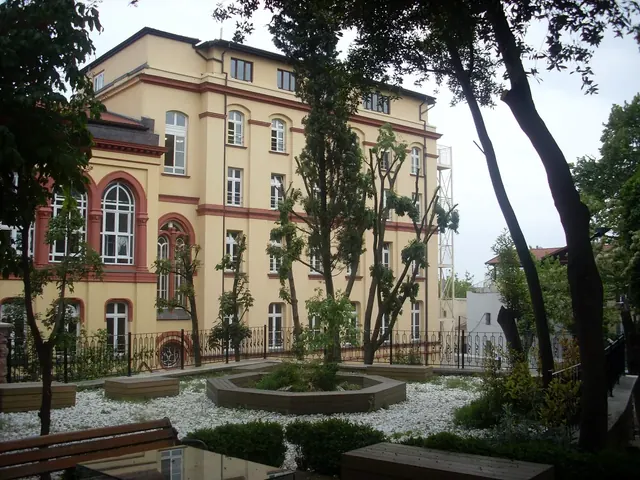
The Galata Mevlevi Lodge (Galata Mevlevihanesi) was founded in 1491 as Istanbul's first lodge of the Mevlevi order, the Sufi path known abroad for its whirling dervishes. It sits just below Tünel Square on Galip Dede Street and is now a museum. With its wooden ceremonial hall, dervish cells and a garden cemetery where the poet Şeyh Galip lies, it is one of the best places in Istanbul to understand Mevlevi culture.
On this page5
Five centuries of a Sufi lodge
The lodge was founded in 1491, under Sultan Bayezid II, on wooded land that is still green today. According to the sources, the site had been a hunting lodge belonging to İskender Pasha, and the first sheikh was Muhammed Şemaî Sultan Dîvânî. Fires forced several rebuildings over the centuries; the present ceremonial hall (semahane) largely reflects a renovation in the late 18th century under Selim III, a sultan and composer known for his closeness to Mevlevi music.
In 1925 all Sufi lodges in Turkey were closed and the building lost its original purpose. It reopened in 1975 as the Museum of Divan Literature, and after an extensive restoration that began in the late 2000s it reopened as the Galata Mevlevi Lodge Museum.
Who the Mevlevis are and what the sema means
The Mevlevi order grew from the teachings of Jalal al-Din Rumi, known in Turkey as Mevlânâ, the 13th-century poet and mystic of Konya. It took shape under his son Sultan Veled. At its heart are love, tolerance, humility and the inner journey towards spiritual maturity. Mevlevi lodges were places of worship, but also schools of music, calligraphy, poetry and good manners.
The sema is the order's form of remembrance of God, performed to music. Each element is symbolic: the tall felt hat (sikke) represents the tombstone, the white skirt (tennure) the shroud, and the black cloak removed at the start the grave. The dervish turns with the right palm open to the sky and the left turned towards the earth, receiving mercy from God and passing it on to people, revolving around the heart from right to left. The Mevlevi Sema Ceremony is inscribed on UNESCO's list of the Intangible Cultural Heritage of Humanity.
Highlights of the museum
- The semahane: The main hall, notable for its woodwork. The upper galleries were for the musicians and for spectators during ceremonies.
- Instruments and dress: The ney (reed flute), kudüm (small kettledrums) and rebab, alongside dervish costumes.
- Cells and kitchen: The small rooms where dervishes lived, and the lodge kitchen, where Mevlevi training traditionally began with a 1001-day period of service.
- The garden cemetery: Resting place of the poet Şeyh Galip, of İbrahim Müteferrika, founder of the first Ottoman press printing Turkish in Arabic script, and of the French officer Comte de Bonneval, known as Humbaracı Ahmed Pasha. Stone hats carved on the headstones mark the graves of Mevlevis.
- Calligraphy and manuscripts: Verses from Rumi's Masnavi, framed panels and everyday objects from lodge life.
Watching a sema respectfully
Sema ceremonies are held at the lodge on certain days, often at weekends, by groups keeping the Mevlevi tradition alive. Schedules and tickets change, so check current announcements in advance. Remember that the sema is worship, not a show: there is no applause, no flash photography and no talking, and you should try not to leave before it ends. If you bring children, explain beforehand that it is quiet and can last a while.
The museum's dress code is less strict than a mosque's, but modest clothing that covers the shoulders suits the spirit of the place. Our mosque etiquette guide covers the general principles. In the cemetery, avoid leaning on or stepping over the headstones.
Getting there from Sareban Hotel
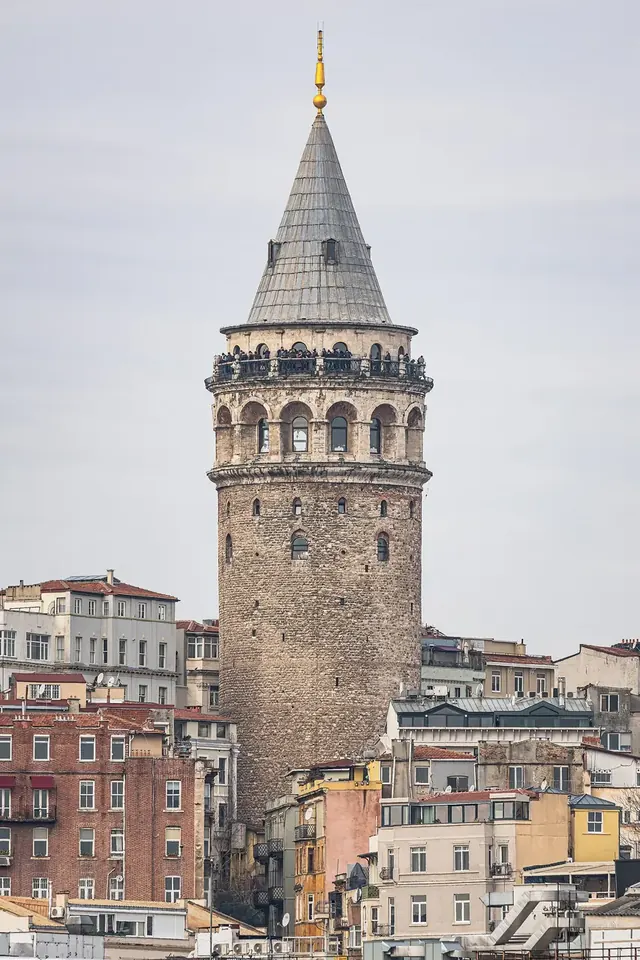
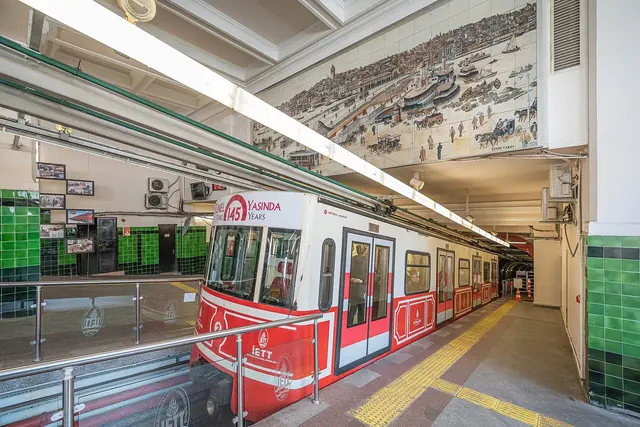
From the Sultanahmet or Çemberlitaş stop near our hotel, take the T1 tram across the Galata Bridge to Karaköy, then ride the Tünel funicular up to Beyoğlu. Leaving the upper station, turn into Galip Dede Street; the lodge gate is a few steps downhill. If you prefer to walk, climb from Karaköy to Galata Tower and continue up the same street.
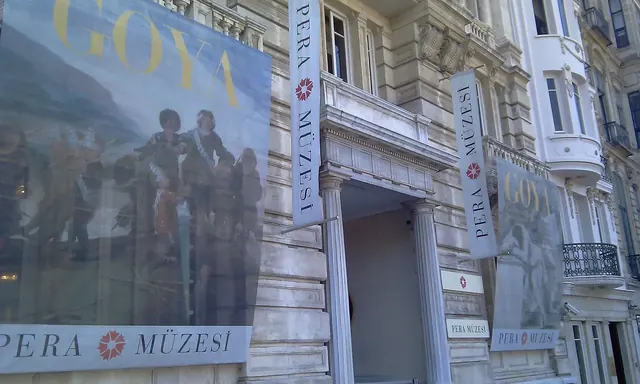
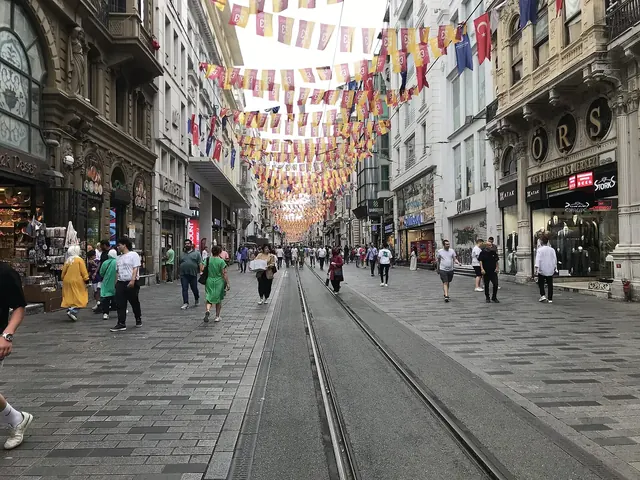
İstiklal Avenue begins right next to the lodge, so it's easy to continue along İstiklal Avenue to the Pera Museum and round off a half day. For more on the area, see our Galata and Karaköy guide.
Frequently asked questions
Can I see the whirling dervishes at the Galata Mevlevi Lodge?
Yes, sema ceremonies are held at the lodge on certain days. Days and times vary by season, so check the current programme before you go.
Can I take photos during the sema?
Flash is never allowed because the ceremony is an act of worship, and you will often be asked not to photograph at all while it is under way. Follow the staff's guidance.
Is the museum suitable for children?
Yes. The garden, the instruments and the dervish costumes interest children. If you take young ones to a sema, bear in mind that it is a long and quiet ceremony.
Is the lodge close to Galata Tower?
Very. Both are on Galip Dede Street, a short uphill walk apart, so it's easy to see both in the same morning.