Kadıköy is a lively district on Istanbul's Asian shore, facing the historic peninsula across the Sea of Marmara, and one of the oldest settlements in the city. Built on the site of ancient Chalcedon, it's known for its historic food market, the grand Haydarpaşa railway station and the seaside promenade of Moda. Arrive by ferry, explore on foot and you'll see a side of local life that the main sights rarely show.
On this page7
Markets, bookshops and a seaside stroll
Walk off the Kadıköy ferry and you're straight into everyday Istanbul rather than a tourist strip. In the market lanes, fishmongers heap their stalls with ice, pickle shops line up jars of every colour, and cheese and spice sellers offer tastes. The number of secondhand booksellers and bookshops tells you a lot about the district's creative, well-read character.
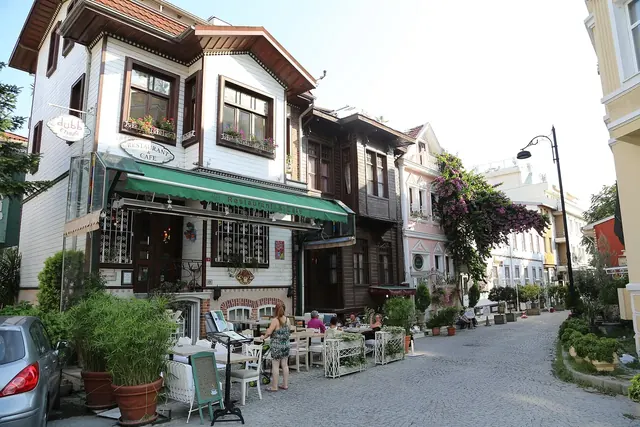
Head south towards Moda and the pace slows. Leafy streets between old apartment buildings lead to parks that slope down to the sea, where locals spread out on the grass at weekends. Nearby Yeldeğirmeni has turned its blank walls into a gallery of large murals.
From the Land of the Blind to Haydarpaşa
Kadıköy is older than Byzantium across the water. Settlers from Megara founded Chalcedon in the seventh century BC. According to Herodotus, the Persian general Megabazus called its founders blind for overlooking the far better harbour on the opposite shore, which is why Kadıköy is sometimes nicknamed the Land of the Blind. The Council of Chalcedon, held here in 451, was a turning point in Christian history; the local Greek Orthodox church of Hagia Euphemia bears the name of the saint whose basilica hosted it.
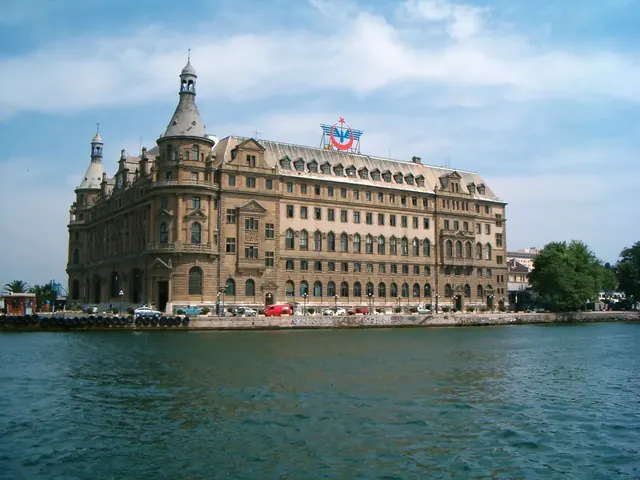
In Ottoman times Kadıköy and Moda were quiet country retreats that grew in the nineteenth century with mansions built by Levantine and British families. Haydarpaşa Station, completed in 1908 to designs by German architects Otto Ritter and Helmut Cuno, became the starting point of the railway to Anatolia and Baghdad and the district's landmark. The Süreyya Opera House, opened in 1927, was one of the first major stages on the Asian side.
What to see
- Haydarpaşa Station: a neoclassical terminus rising straight out of the water; excavations nearby have uncovered remains of the ancient harbour.
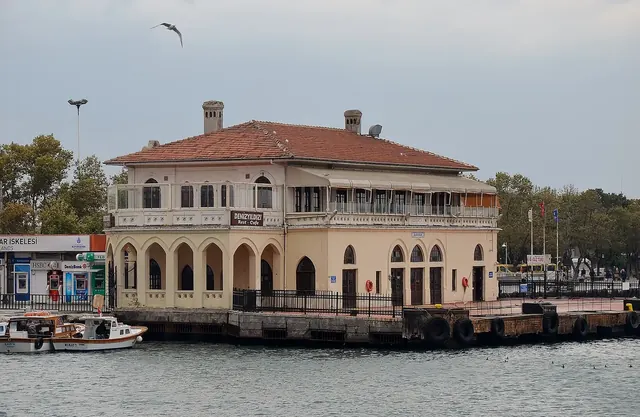
- Moda seafront: a promenade towards Kalamış bay, grassy parks and the historic Moda pier.
- Kadıköy market: fishmongers, pickle shops, cheese, olive and spice sellers in one of Istanbul's liveliest local markets.
- Süreyya Opera House and Bahariye Avenue: a theatre with an Art Deco-influenced façade on a busy shopping street.
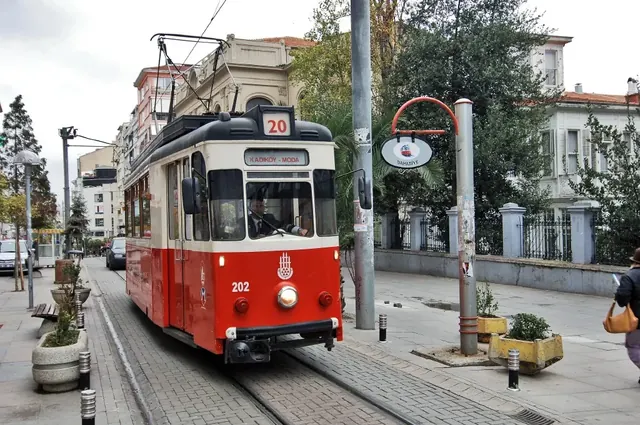
- Heritage tram: a small loop from the Kadıköy pier to Moda that shows you the district from your seat.
- Yeldeğirmeni: giant murals covering old apartment walls in a quiet residential quarter.
A half-day walk through Kadıköy and Moda
- Arrive by ferry and photograph Haydarpaşa Station as you approach the pier.
- Explore the market among fishmongers, pickle shops and delis, and look into the courtyard of Hagia Euphemia church.
- Walk up Bahariye Avenue to the Süreyya Opera House, then drift down leafy streets to Moda.
- Rest on the Moda seafront with a glass of tea, facing the skyline of the historic peninsula.
What to eat: the bounty of the market
Kadıköy's market sums up Istanbul's food culture beautifully. Pick seasonal fish from a stall and small restaurants nearby will grill it; at the pickle shops, try cabbage, pepper or mixed pickles along with a glass of tangy pickle juice, a true local habit. Delis let you taste cheeses, olives, pastırma (cured beef) and sucuk from all over Anatolia. Restaurants serving Anatolian home cooking, hot börek from the bakeries and an ice cream on the Moda seafront round off the day. For more ideas, see our Istanbul food guide.
Kadıköy for families
For children, the ferry ride is often the best part; find a spot on deck to watch seagulls chase the boat. The lawns and playgrounds along the Moda seafront are ideal for burning off energy. The market lanes are narrow and very busy at weekends, so a baby carrier is easier than a pushchair. The streets around the market get very crowded in the evening, so families will find daytime visits and the seafront more comfortable.
Getting there from Sareban Hotel
The ferry is the nicest way: take the tram to Eminönü or Karaköy and board a boat to Kadıköy. On the way you'll see Topkapı Palace and the Maiden's Tower on one side and Haydarpaşa Station on the other, a mini Bosphorus cruise. Alternatively, ride Marmaray from Sirkeci to the Asian side and change to the metro at Ayrılık Çeşmesi for Kadıköy. Our Istanbulkart guide explains how to pay.
Frequently asked questions
Is Kadıköy worth visiting as a tourist?
Yes. If you want local life, food markets and seaside strolls rather than monuments, it's the liveliest district on the Asian side.
Can I go inside Haydarpaşa Station?
The station has been out of regular rail service for years because of restoration and archaeological excavations, and access to the interior varies. The best views are from the ferry and the waterfront.
How long should I spend in Kadıköy?
Half a day covers the market, Moda and Haydarpaşa. Add Üsküdar for a full day on the Asian side.