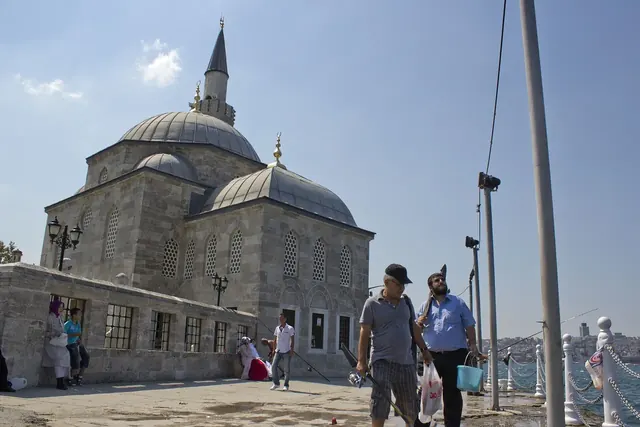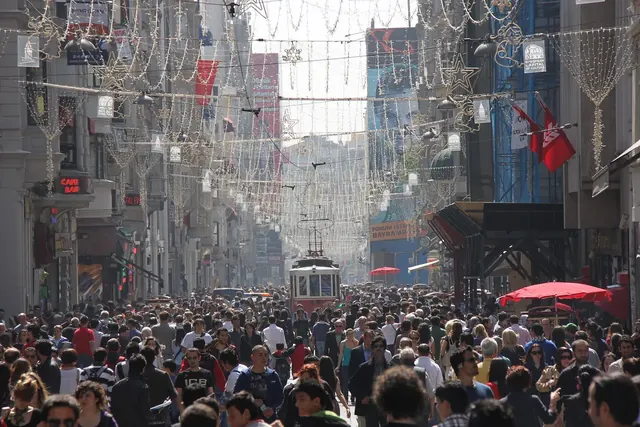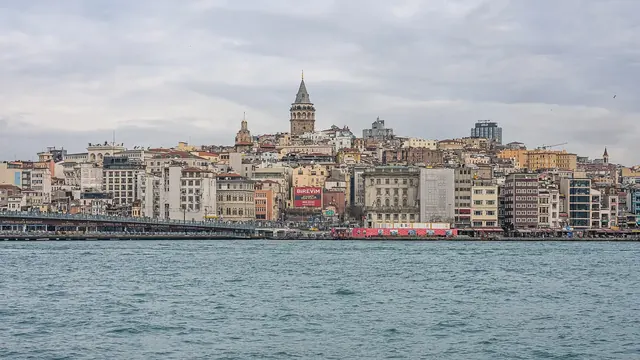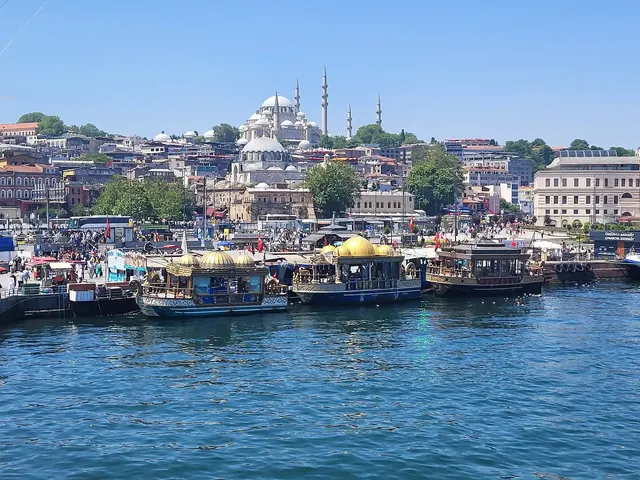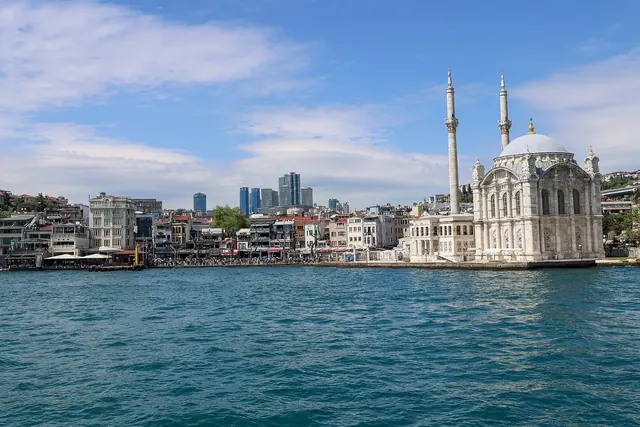
Beşiktaş and Ortaköy are neighbouring districts on the European shore where the Bosphorus begins, stretching from Kabataş to the first Bosphorus Bridge. When the Ottoman court moved out of Topkapı in the nineteenth century it came here, which is why the area is lined with landmarks such as Dolmabahçe Palace, Yıldız Park and Ortaköy Mosque. One easy day can combine a palace, a maritime museum and a waterfront walk with bridge views.
On this page7
Palace frontage, market-town heart
Beşiktaş has two personalities. Along the water it is formal and spacious: palace walls, museum buildings and a broad ferry square. A few streets inland, the market quarter takes over, with fishmongers, a whole lane of breakfast places, students, shopkeepers and a constant cheerful hum.
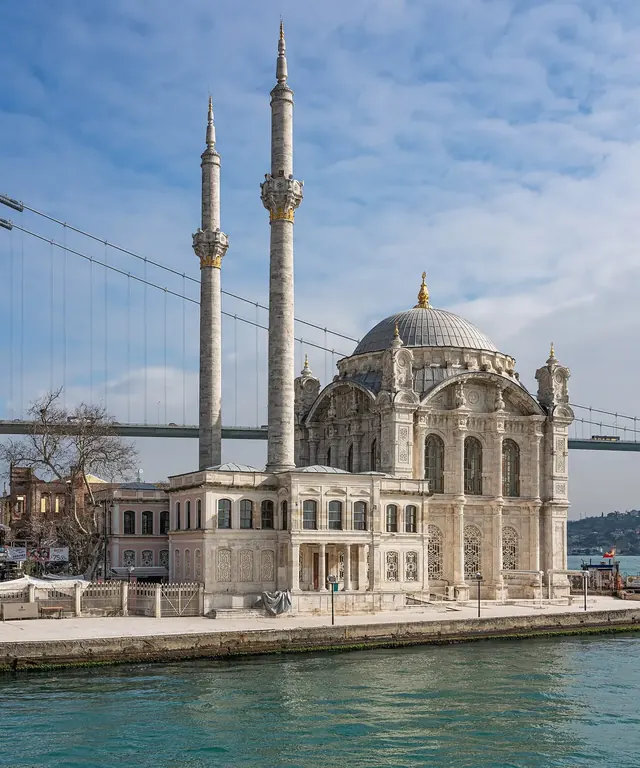
Ortaköy is smaller and more photogenic. The mosque on its little square seems to float on the Bosphorus beneath the bridge, and with cobbled lanes, craft stalls and boats bobbing at the pier, it's one of the most photographed corners of the city.
When the court moved to the Bosphorus
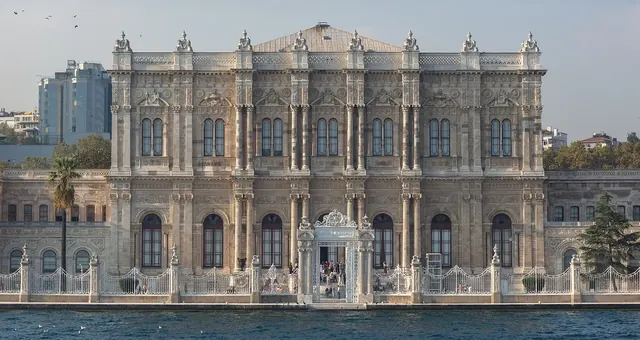
By the mid-nineteenth century Sultan Abdülmecid found Topkapı Palace, the seat of power for almost four centuries, out of step with the times. He commissioned a European-style palace on the Beşiktaş shore, on land reclaimed from a bay in the seventeenth century, which is where the name Dolmabahçe, 'filled garden', comes from. It was built between 1843 and 1856 by Garabet and Nigoğos Balyan of the famous Armenian family of architects. Atatürk died here on 10 November 1938, and the clocks in his room are still set to 9:05.
Nigoğos Balyan also designed Ortaköy Mosque, completed in the mid-1850s. Later, Abdülhamid II moved the court uphill to Yıldız Palace, whose outer gardens are today's Yıldız Park. On the waterfront, the tomb of the admiral Barbarossa Hayreddin Pasha, designed by Sinan, recalls the days when Ottoman fleets set sail from this shore.
Highlights
- Dolmabahçe Palace: the vast crystal chandelier of the Ceremonial Hall, the staircase with crystal balusters, Atatürk's room and gardens facing the Bosphorus.
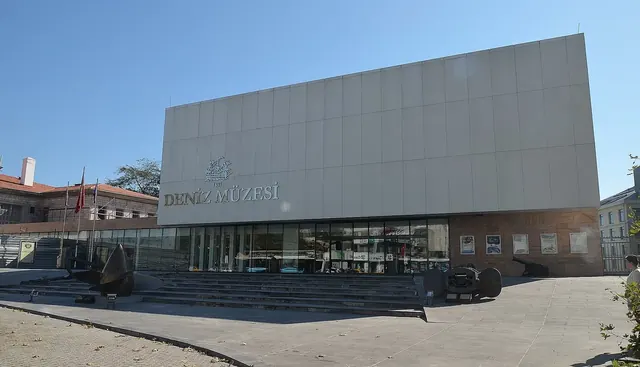
- Istanbul Naval Museum: the sultans' ornate imperial caiques, historic maps, ship models and maritime relics from the age of Barbarossa.
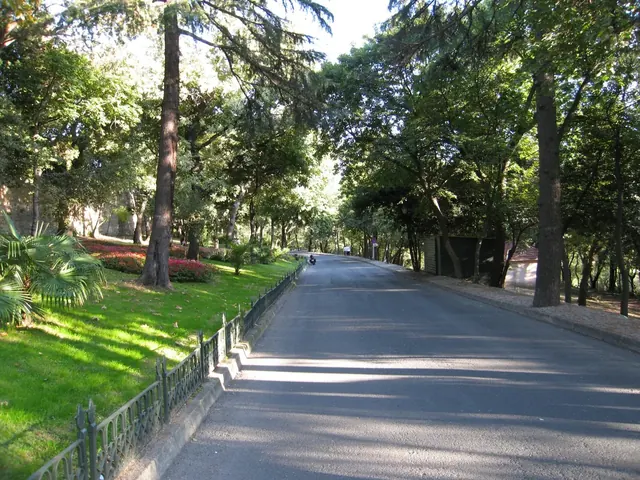
- Yıldız Park: a hillside forest in the city, with ponds and the Malta and Çadır pavilions.
- Ortaköy Mosque: a neo-Baroque gem with a bright interior and the bridge rising behind it, Istanbul's classic postcard shot.
- Dolmabahçe Clock Tower and seafront: the late-Ottoman clock tower in front of the palace and the waterfront path towards Beşiktaş.
- Ortaköy's shared heritage: a mosque, a church and a synagogue within a few minutes' walk of each other.
Suggested day: palace to bridge
- Arrive at Dolmabahçe Palace early; queues build through the day.
- Walk along the shore to Beşiktaş and see the imperial caiques at the Naval Museum.
- Have lunch in the Beşiktaş market area, then head uphill to Yıldız Park for a shady break.
- Walk down to Ortaköy and end the day on the square as the bridge lights come on.
What to eat: breakfast lane, fish and kumpir
Beşiktaş is one of Istanbul's breakfast capitals. On one lane in the market quarter, cafés serve generous spreads of kaymak (clotted cream), honey, cheeses, menemen (scrambled eggs with tomato and peppers) and warm simit, and at weekends they fill up with families. Fish stalls in the market show what's in season, with grilled fish or a fish sandwich nearby. Ortaköy's signature is kumpir, a giant baked potato mashed with butter and cheese and piled with toppings of your choice, along with fruit-topped waffles. Both are firm favourites with children.
With children
The Naval Museum's great hall of imperial boats and its ship models are usually the biggest hit with kids. Dolmabahçe's interior means long corridors and stairs, so plan garden breaks if you're visiting with small children. Yıldız Park is perfect for a picnic, a run around and duck-spotting. Ortaköy square gets very crowded on weekend evenings, so weekday daytime visits are easier for families.
Getting there from Sareban Hotel
Catch the tram near the hotel and ride it to Kabataş at the end of the line; Dolmabahçe Palace is a short walk along the shore. From the palace, continue on foot to Beşiktaş and take a coastal bus or keep walking to Ortaköy. You can also take a ferry from Eminönü or Karaköy to the Beşiktaş pier. If you want to keep going up the Bosphorus, our guide to the Bosphorus villages is the natural next step.
Frequently asked questions
How long does a visit to Dolmabahçe Palace take?
Allow two to three hours for the main sections and the gardens, more if you add the Harem and the Painting Museum.
Can I visit Dolmabahçe and Topkapı on the same day?
It's possible but tiring, as both palaces are large and busy. We suggest giving Topkapı one day and Dolmabahçe with Beşiktaş another.
When is the best time to visit Ortaköy?
Early morning and sunset give the softest light for photos. Weekdays are much quieter than weekends.