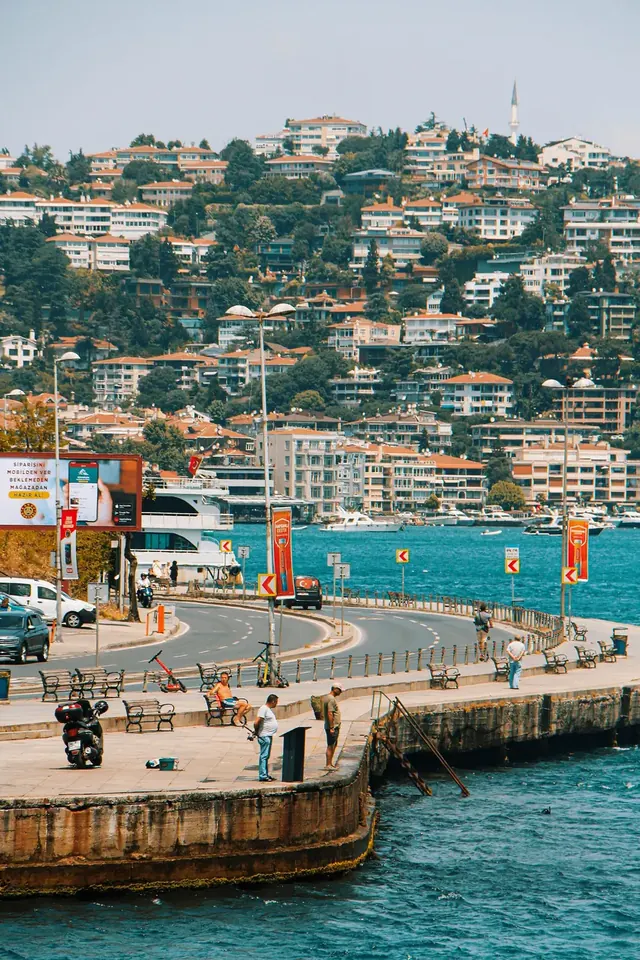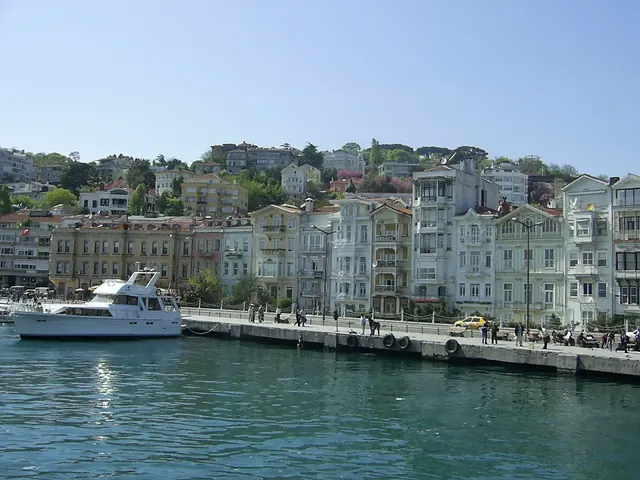
The Sakıp Sabancı Museum occupies the historic Atlı Köşk mansion and its modern gallery extension in Emirgan, overlooking the Bosphorus. It brings together an outstanding collection of Ottoman calligraphy and book arts, a painting collection and major international temporary exhibitions, and its garden terrace adds a cultural pause to any day on the Bosphorus.
On this page5
From an Egyptian prince's mansion to a museum
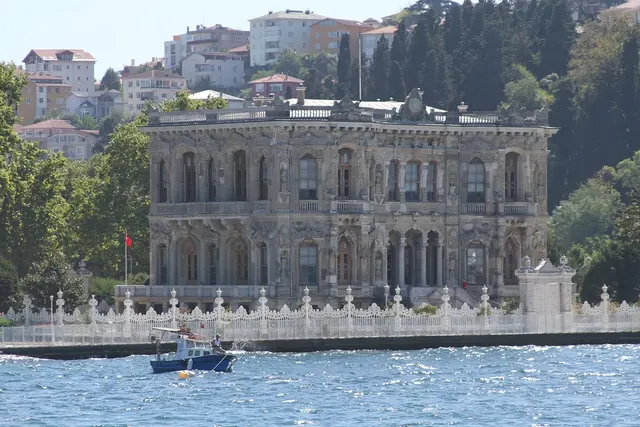
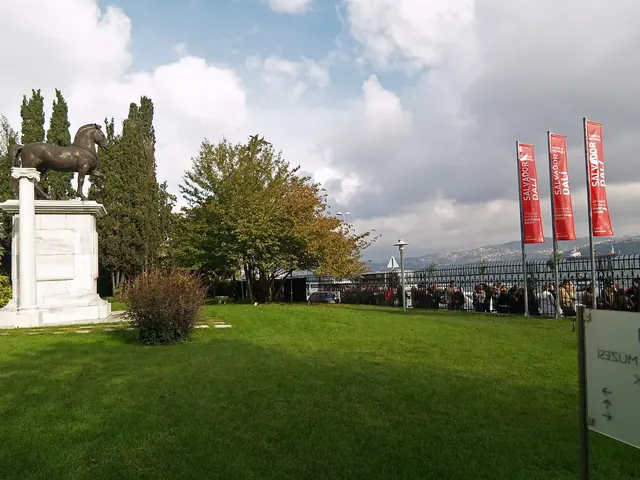
The mansion at the heart of the museum was built in 1925–1927 by the Italian architect Edoardo De Nari for Prince Mehmed Ali Hasan, a member of the Egyptian khedival family. Hacı Ömer Sabancı bought it in 1951, and thanks to the horse statue placed in the garden it soon became known as Atlı Köşk, the “Mansion with the Horse”.
After many years as the Sabancı family home, it was donated with its collections by Sakıp Sabancı to Sabancı University and opened as a museum in 2002. The ground-floor rooms keep the furniture and decorative arts of the family's time here, while a spacious modern gallery wing added later hosts the big temporary shows.
The art of the pen: calligraphy and book arts
The museum's greatest strength is its collection of Ottoman calligraphy and book arts spanning more than five centuries. Qur'an manuscripts, prayer books, albums of calligraphy, hilye panels describing the Prophet and imperial decrees bearing the sultan's tughra let you follow the development of Islamic calligraphy in the Ottoman world step by step. Calligraphers' tools are on show too, including reed pens, pen knives, cutting blocks and inkwells, and they give a real sense of the patience behind every line.
The painting collection focuses on Ottoman and Turkish painters of the late 19th and early 20th centuries, along with European artists who painted Istanbul. Since opening, the museum has also hosted major exhibitions of world-famous artists such as Picasso, Rodin and Dalí. The temporary programme changes throughout the year, so it is worth checking what is on before you go.
Don't miss
- Imperial decrees with tughras: the grandest examples of the sultan's calligraphic monogram, illuminated in gold and deep blue.
- Scripts side by side: a chance to compare styles such as thuluth, naskh, ta'liq and diwani.
- The calligrapher's toolkit: pens, knives, cutting blocks and inkwells, a display children often find fascinating.
- The historic rooms of Atlı Köşk: the atmosphere of a mid-20th-century Bosphorus residence.
- The garden and horse statue: the sculpture that gave the mansion its name, and terraces reaching towards the water.
Visiting notes and a calligraphy trail
The museum is usually closed one day a week and may keep different hours during some exhibitions, so check the current schedule on its official website. Big exhibition openings bring crowds; weekday mornings are the calmest. With its airy indoor galleries it is also a good way to enjoy the Bosphorus on a rainy day. The museum is known to run workshops for children from time to time.
If calligraphy sparks your interest, continue the story back in Sultanahmet with the manuscripts at the Museum of Turkish and Islamic Arts and the Sacred Relics section at Topkapı Palace. Emirgan Park, within walking distance, is perfect for a stroll afterwards.
Getting there from Sareban Hotel
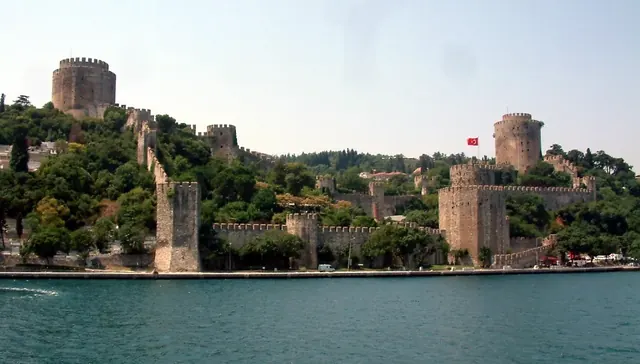
Take the T1 tram from near our hotel to Kabataş at the end of the line, then catch one of the buses heading north along the coast road towards Sarıyer and get off at Emirgan. The museum is right on the waterfront avenue. Bosphorus traffic varies through the day, so an early start helps. On the way back you can hop off at Rumeli Fortress and Bebek, linking the Bosphorus villages into a single day.
Frequently asked questions
What is in the Sakıp Sabancı Museum?
An Ottoman calligraphy and book arts collection, 19th- and 20th-century paintings, the historic rooms of the Atlı Köşk mansion and a changing programme of international temporary exhibitions.
How long should I spend at the Sakıp Sabancı Museum?
An hour to an hour and a half covers the permanent collections. If a major exhibition is on and you want time in the garden, allow two to three hours.
Is the museum suitable for children?
It is calm and well organised, and the calligraphers' tools and colourful tughras appeal to older children. Check the museum's current programme for occasional children's workshops.