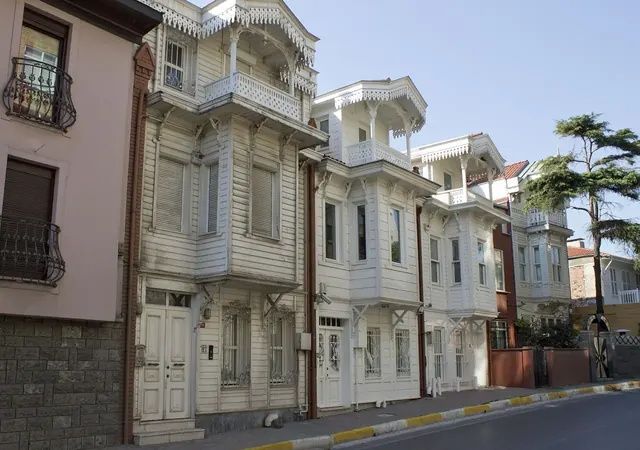
Kuzguncuk is a small, colourful neighbourhood on the Asian shore of the Bosphorus, tucked between Üsküdar and Beylerbeyi. Muslim, Greek, Armenian and Jewish families lived here as neighbours for generations, and today a mosque and an Armenian church still share a garden wall, with a synagogue a few streets away. Painted wooden houses and a village pace make it one of Istanbul's most charming walks.
On this page6
A village shaped by many communities
Local legend says the neighbourhood takes its name from Kuzgun Baba, a dervish believed to have lived here around the time of the Ottoman conquest. The little valley has been inhabited since Byzantine times, but its present character took shape in the 19th century, when a sizeable Jewish community lived alongside Greek, Armenian and Muslim households.
From the mid-20th century many families left and the population changed. The places of worship survived, though, and the neighbourhood's memory of coexistence has drawn writers, artists and TV crews ever since, turning Kuzguncuk into one of the city's best-loved corners.
A walking map of faiths
- Kuzguncuk Mosque and the Armenian Church of Surp Krikor Lusavoriç: the mid-20th-century mosque and the 19th-century church share a garden wall, the neighbourhood's signature photo
- Beth Yaakov Synagogue near the coast road, built in the second half of the 19th century; seeing the interior usually requires permission in advance
- The Greek Orthodox churches around İcadiye Street, reminders of the Greek community's long presence
- Old hillside cemeteries that quietly tell the story of the different communities
İcadiye Street, wooden houses and the market garden
The neighbourhood's backbone is İcadiye Street, climbing gently from the waterfront. Wander up past painted timber houses with bay windows, cats snoozing on doorsteps and small local shops, then duck into side streets for quieter lanes with gardens.
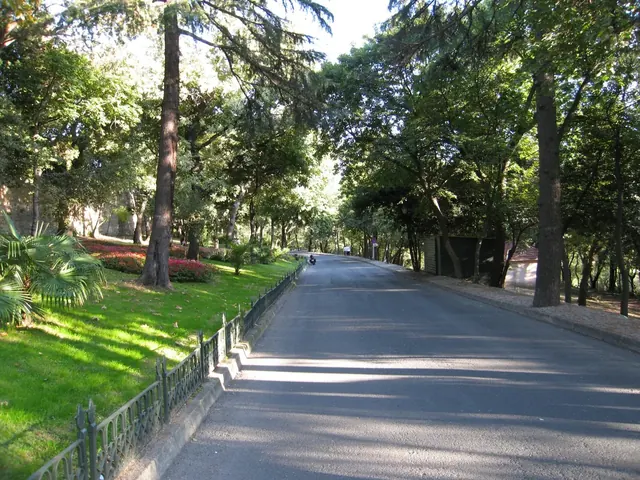
In the middle of the village, Kuzguncuk Bostanı is a historic market garden that residents campaigned to protect and opened as a community garden. For city kids, spotting rows of tomatoes and beans here is a surprise. Just to the south, the wooded Fethi Paşa Grove has shady paths with Bosphorus views, perfect for a picnic.
Breakfast, manners and pace
Kuzguncuk has neighbourhood bakeries, small breakfast spots and home-style eateries, and a long weekend breakfast is almost a local ritual: think menemen, gözleme and warm simit. Our Istanbul food guide explains the dishes.
Remember this is a living neighbourhood, not an open-air museum. Be considerate when photographing homes and places of worship, and capture the street scene rather than posing on someone's doorstep.
Kuzguncuk or Balat?
Kuzguncuk is often compared with Balat and Fener on the Golden Horn, another historic multicultural quarter. Balat is busier and more flamboyant, while Kuzguncuk is calmer and feels like a village. Seeing both gives you a fuller picture of the many communities that shaped Istanbul.
Getting there from Sareban Hotel
From our hotel, walk or take the T1 tram to Sirkeci and ride Marmaray under the Bosphorus to Üsküdar. Buses running north along the coast road toward Beylerbeyi pass through Kuzguncuk, and a taxi is a short ride. Keen walkers can follow the shoreline from Üsküdar via Paşalimanı, a longish but lovely stroll.
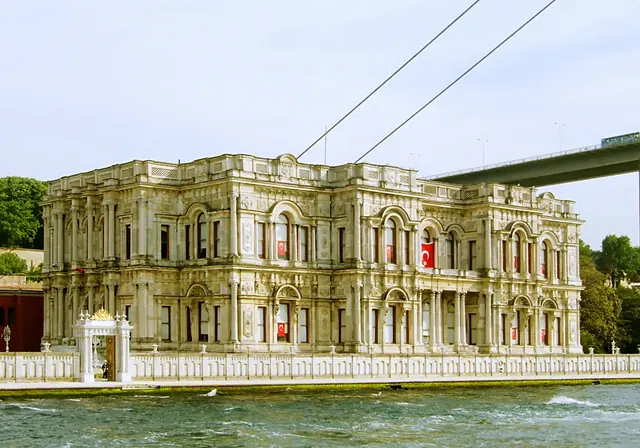
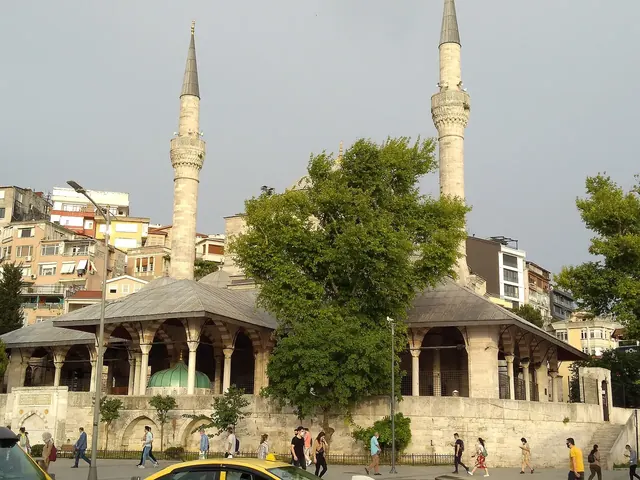
It's easy to pair Kuzguncuk with Beylerbeyi Palace a little further north: tour the palace in the morning, wander Kuzguncuk in the afternoon and catch the ferry home from the pier in front of the Mihrimah Sultan Mosque. Our Üsküdar page has more on the Asian side.
Frequently asked questions
Why is Kuzguncuk famous?
For its multicultural heritage, with a mosque, churches and a synagogue close together, plus its colourful wooden houses and relaxed village feel on the Bosphorus.
Do a mosque and a church really share a wall?
Yes. Kuzguncuk Mosque and the Armenian Church of Surp Krikor Lusavoriç stand side by side with a shared garden wall, the most photographed spot in the neighbourhood.
How long do I need?
Two to three hours is enough to stroll the streets, see the places of worship from outside and stop for breakfast or tea.
Is it good for families?
Yes. Quiet streets, the community garden and the nearby grove suit children well; just be ready for some hills.